Protein in rajma per 100g - Nutrition Value Information
On this page
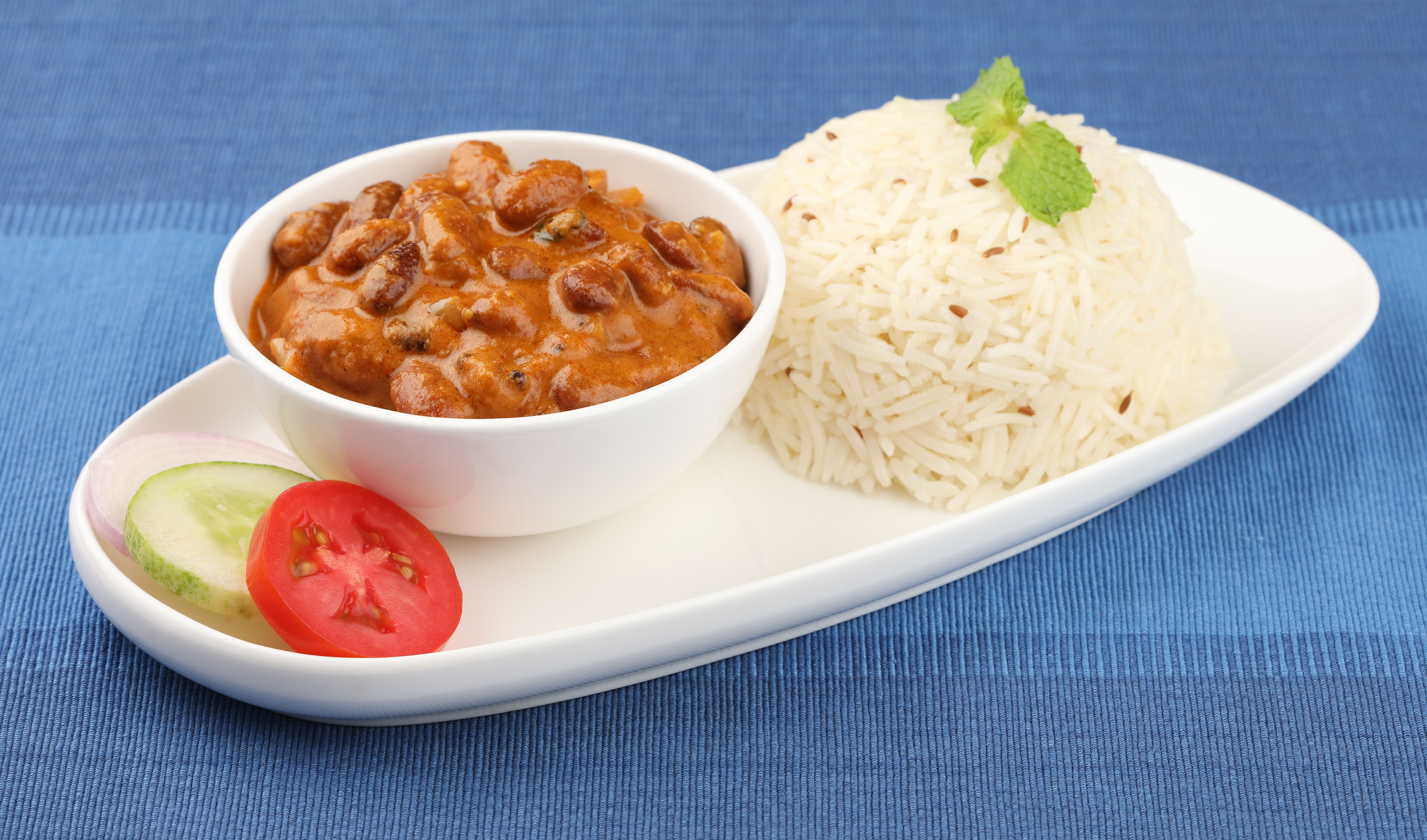
Kidney beans, commonly known as rajma, are among the most consumed foods not only in northern India but in other parts of the country as well. This article is therefore a detailed guide to the amount of protein in 100 grams of rajma, the health benefits of the protein it contains, the nutritional profile of rajma, and other important health-related facts about rajma intake.
Amount of protein found in 100 grams of Rajma:
Rajma chawal is one of the most staple food choices in many Indian households. This is because having rajma, which is rich in protein content, with rice, a major source of carbohydrate, helps in balancing the plate in terms of nutritional intake. You might get approximately 22 to 24 grams of protein from each 100-gram serving of rajma, which is regarded as a quite high amount of plant protein. Thus, rajma becomes an excellent choice of protein-rich food, especially for vegetarians and vegans.
But, it is also important to keep in mind that the amount of protein that you take in through rajma will depend on certain factors, some of which can be listed below:
The way you are cooking the rajma curry
The ingredients that are added to the rajma curry
What are you having with rajma (for instance, rice, salad, and so on)?
There is also an important aspect about protein content in rajma that you must note: though kidney beans themselves are quite rich in protein content, after cooking, the amount of protein may get reduced to 8–9 grams of protein per 100 grams of cooked rajma. This usually happens because kidney beans absorb water during cooking, and the net protein decreases.
What is the nutritional profile of per 100 grams of rajma?
Apart from being rich in protein content, there are some other vital nutrients in rajma as well, consisting of both macro-nutrients and micro-nutrients, that can be highly beneficial for your overall health and wellness. Here is a complete nutrient profile of rajma:
1. Dietary fibre: Some amounts of dietary fibre are present in kidney beans, which are highly beneficial for improving your overall digestion and helping you stay regular.
2. Minerals: Certain vital minerals are found in kidney beans, the most important of which include iron, which helps to prevent anaemia, magnesium and potassium for better heart health and maintaining overall wellness.
3. Vitamins: Rajma is known to have some quantities of vitamin B complex, especially vitamin B9, which is commonly known as folate or folic acid, that aids in healthy growth and development.
Health benefits from the protein in 100 grams of rajma:
Consuming a portion size of around 100 grams of rajma can provide you with enough health benefits. This is mostly because you are taking in high-quality protein. Some of the most common health benefits include the following:
1. Better muscle repair:
The protein in rajma can help in healthy muscle repair and can also aid in the growth and development of muscle cells and tissues. This is not only beneficial for athletes, but also for children or those who are recovering from illnesses.
2. Promotes heart health:
Rajma is low in calories and saturated fats, which makes it healthy for reducing cholesterol levels, and it is thus beneficial for your cardiac health.
3. Helps in healthy weight management:
Having rajma can provide you with a feeling of satiety, which helps you to stay full by lowering the amount of calorie intake and thus aids in healthy weight management.
Which doctor to consult before consuming rajma?
Rajma is more or less healthy for your health and wellness and for improving your protein intake, but if you wish to be sure before you start having it, you may consult a a registered nutritionist expert or a dietitian , who will be able to advise you regarding the consumption of rajma -- the portion size, how to make it, if you can have it at all, and other details.
Final Thoughts:
If you are a vegetarian, rajma can be particularly helpful for your health, especially for your protein intake. Rajma is often considered one of the major sources of plant-based protein and is not only important for balancing your overall diet but also helps you to stay healthy and fit.
Also Check: Protein in moong dal per 100g - Nutrition Information
Authors

Bidiptaa Sen
MA in Mass Media and Communication, Jadavpur University With 3.5+ years of experience in writing marketing and SEO content on healthcare and wellness, I write articles that help people to get an idea regarding medicines that are prescribed, how to improve their wellness care and educate people how to choose accurate health facilities. My communication skills, depth of knowledge in media management and strategic methods for better social media engagement and improving readers' experience through extensive research on the healthcare scenario.
View profile
Surbhi Singhal
Surbhi is dedicated and self-motivated Ph.D. scholar passionate about Content Creation, Editing, and Teaching. I excel in dynamic environments, thrive on challenges, and am eager to contribute my expertise and enthusiasm in pushing the boundaries of knowledge.
View profile