Peaches: It Prevents Certain Type of Cancer
On this page
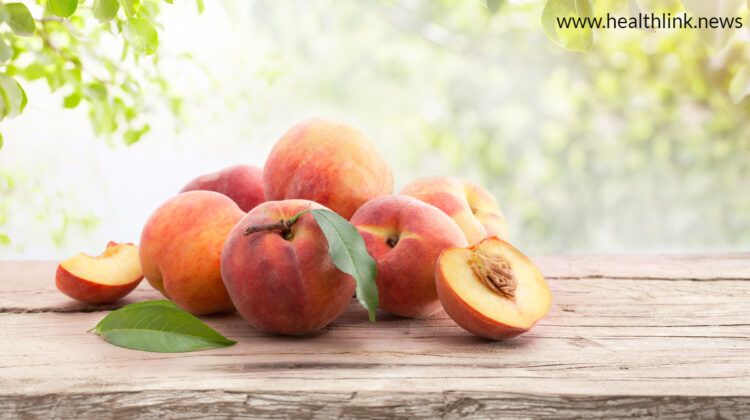
Ever wonder why they are called peaches? The answer is simple: China is thought to be the fruit’s original location, and the Chinese word for peach is “ping.” This little fruit originated on the rocky, mountainous sides of China where its thorns helped it cling to trees. It could survive cold winters because, like citrus fruit, it is widely recognized that peaches contain antioxidants called polyphenols, which protect cells from damage by free radicals. Free radicals damage cells and can cause disease. Peaches are a bit sweet, with a buttery texture. They are eaten fresh right off the tree or cooked into a filling or topping for desserts or breakfast foods such as pancakes, crumbles, and cobblers.
Health Benefits of Peaches are low in calories — about a quarter of a cup contains 50 to 80, making them an ideal snack food. They also contain many vitamins, including vitamins, and are a good source of polyphenols, which are antioxidants.
Add a little sunshine to your day with juicy peaches. Whether eaten as a snack or incorporated into your favorite dish, peaches are a summertime treat that can also offer an array of health benefits. Get to know the nutritional value of this deliciously sweet fruit, and get inspired to incorporate peaches into your diet.
Here are 8 surprising health benefits and uses of peaches. (1)
1. Packed with Nutrients and Antioxidants
Peaches are a sweet, attractive fruit. Peach is rich in many vitamins, minerals, and beneficial plant compounds. This delicious fruit is also a very good source of fibre. In addition to providing flavour and nutrition, peaches are filling and satisfying.
Carbs: 14 grams
Fibre: 2 grams
Calories: 58
Protein: 1 gram
Fat: less than 1gram
Potassium: 8% of the DV
Copper: 5% of the DV
Manganese: 5% of the DV
Niacin: 6% of the DV
Vitamin E: 5% of the DV
Vitamin C: 17% of the Daily Value (DV)
Vitamin A: 10% of the DV
Vitamin K: 5% of the DV
When it comes to eating healthy foods, peaches are an excellent choice. One medium-sized peach meets your daily recommended intake of vitamin C, which helps keep your immune system healthy, supports collagen production for a strong and healthy heart and may even lessen the severity of asthma symptoms. In addition, each peach provides 1 mg of iron and trace amounts of B vitamins. Peaches also contain some beneficial plant compounds called antioxidants. Antioxidants are plant compounds that combat oxidative damage and help protect against free radical damage that can lead to aging and disease. The fresher and riper the fruit, the more antioxidants it contains.
The fresh peach is nature’s gift to us with its juicy flesh, rich in nutrients and antioxidants. Although canned peaches can meet some of your fruit needs, you will get more health benefits from eating fresh peaches. As with most fruits, the best way to keep their nutrients intact is to eat them raw or slightly steamed, and do not forget the skin.
2. May Aid Digestion
Peaches are a great source of fibre, especially the insoluble kind, which helps to regulate your digestion. Each half-cup serving contains fibre, and while soluble fibre attracts water to form a gelatinous material in your stomach, insoluble fibre may help relieve constipation. This lovely fruit also provides vitamins A and C, folate, magnesium, and potassium.
Peaches have lots of fibre and pectin, which bind to cholesterol and remove it during digestion. They may also help you feel fuller, for up to an hour after eating. It is the short-chain fatty acids that are found in your gut that provide benefit. They may reduce inflammation and improve symptoms of digestive disorders, including Crohn’s disease, irritable bowel syndrome (IBS), and ulcerative colitis.
3. May Improve Heart Health
With all their natural sweetness and delicious flavour, it is easy to eat your fill of peaches. Eating fruit can have many health benefits, including promoting heart health. Studies suggest that peaches may lower the risk of high blood pressure and cholesterol levels.
Peaches may benefit heart health. The fruit’s flesh, skin and pits contain unique chemicals that may block the body’s absorption of cholesterol and bile acids. The result is a potentially reduced risk of heart attack, stroke, and other vascular diseases. While many studies support this idea, more evidence is needed to confirm its benefits in people.
4. May Protect Your Skin
Peaches not only taste delicious, but they may also have skin benefits that can help keep your skin healthy and moisturized. In test-tube studies, compounds found in peaches may improve the ability of your skin to retain moisture. Applying compounds extracted from peach flowers or flesh directly to your skin may help prevent UV damage. While there is more research to be done, eating peaches may help keep your skin healthy.
5. May Prevent Certain Types of Cancer
Peach Fruit Benefits Peach is a type of fruit containing vitamin C and minerals like potassium, iron, calcium, and magnesium. Research suggests that many of the phytonutrients in peach fruit offer cancer-preventive potential. For example, skin and flesh from peaches are rich in carotenoids. Peach’s outer layer also contains caffeic acid, which may help to reduce inflammation by decreasing the activity of histamine (an inflammatory compound). Peach pits have also been found to contain a mixture of compounds including germacranolides, which have been shown to reduce non-cancerous skin tumors in animals. Further research is needed to determine if these compounds have a protective effect against cancer.
Delicious and juicy peaches contain health-boosting nutrients that are good for your overall wellbeing. Some studies indicate that peach polyphenols have anti-cancer effects and help boost the immune system against infectious diseases.
6. May Reduce Allergy Symptoms
Peaches may reduce allergy symptoms. Peaches contain a flavonoid, quercetin, which researchers suspect prevents the release of histamines in the blood. Test-tube studies report that peach extracts may be effective as well and limit the inflammation commonly seen in allergic reactions. However, more research is needed to determine the strength of these effects in people with allergies.
7. Widely Available and Easy to Add to Your Diet
Peaches are nutrient-dense fruits with plenty of fibre, potassium, vitamin C, calcium, and magnesium. Peaches are widely available and can be added to your diet in many different ways. They can be eaten raw, grilled, or sautéed and make a great ingredient for warm dishes. For instance, you can include them in a hearty chickpea curry or add them to salads. They are also popular in salsa and desserts. Lastly, they can be added to smoothies or mashed to flavour water.
8. Other Potential Benefits
Peaches may offer several other health benefits. The well-researched include:
May boost immunity: Peach fruit benefits include the ability to boost your immune system and fight against certain types of bacteria. Peaches are rich in immune-boosting nutrients and antioxidants, so you may be able to experience improved health by consuming them regularly.
May protect against certain toxins: Peach Fruit Benefits provides an extra level of security by providing nutrients that support liver and kidney function.
May reduce blood sugar levels: Peach Fruit is a highly nutritious food that may reduce blood sugar levels. This product contains a significant source of vitamin C and copper.
How to Select and Store Peaches
Peaches become ripe when they are soft, brightly coloured, and full of aroma. Peaches can be purchased in different varieties — some are yellow, others white. They also can vary in their flavour intensity. Consistently sweet peaches tend to be white-skinned, while tart peaches are usually yellow. When you buy peaches, make sure they do not have any bruises or scratches and that the peach feels slightly soft — like the flesh of a ripened avocado.
Peaches are one of the summer’s most delicate and delectable fruits. They are available year-round, but the best time to purchase peaches is between spring and early summer. When you first bring home your peaches, wash them in cold water and dry them gently with a towel. Peaches should feel firm to the touch, with no signs of bruising, discoloration, or soft spots. If you plan to eat them within a week or two, it is best to keep your peaches at room temperature, out of direct sunlight. Room temperature is a good environment for ripe peaches because it prevents rapid ripening and the growth of harmful microorganisms that can cause food-borne illnesses. Peaches last about one week at room temperature before they start to over-ripen and lose their taste and texture.