Bean Sprouts: Nutrition and Benefits of Eating
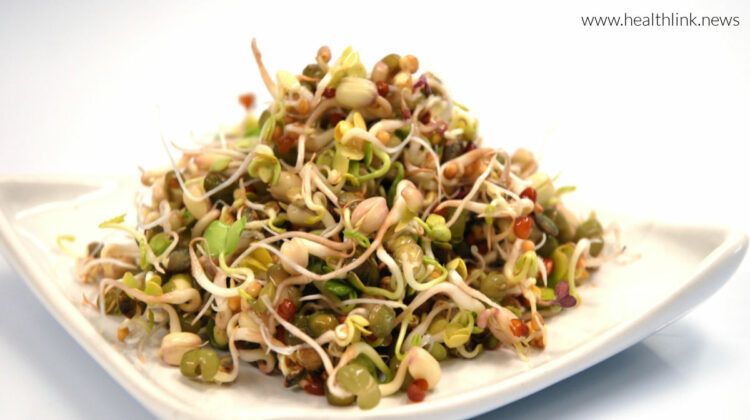
Sprouting is a very natural phenomenon in which the germination of seeds, grains, and vegetables takes place. In simpler words, sprouts are considered very young plants. These plants are harvested just a few days after their germination. They are well known for their several health benefits. Many people say that these sprouts can be used in numerous ways to help with several health problems. But science states only some of these benefits regarding the consumption of sprouts. If we look at the nutritional sources that sprouts provide, we come to know that sprouts are an excellent source of:
- Calcium
- Potassium
- Magnesium
- Folate
- Beta-carotene
- Vitamin K
Apart from the above-mentioned nutrients, they are also enriched with a variety of other important nutrients. But the availability of these nutrients varies, moreover it entirely depends upon which type of sprouts are being used for consumption. Many of them in general is a good source of;
- A good amount of folate
- magnesium
- Phosphorus
- Vitamins (vitamin K in specific)
Moreover, upon analysis, it is put forward that they have a higher number of these nutrients as compared to the fully-grown versions of the same plants. The interesting fact about sprouts is that the food which is made from these sprouts such as sprouted tofu or soy milk is considered to have more protein value and minimal fat value if we compare it to other forms of these foods.
What are bean sprouts?
Bean sprouts are considered vegetables. They are crunchy and can be used in everything whether it is a salad or noodle soups. They are derived from green beans and are consumed most by the population of East Asia. They are considered a common ingredient in Asian dishes. Fresh bean sprouts are a good source of vitamin E. Moreover, it also has several other vitamins and minerals such as;
- Vitamin E
- Vitamin C
- Vitamin K
- Protein
- Folic acid
The vitamins and minerals that are found in bean sprouts, their calorific value is much higher, and the overall calorific value of fat is much lower. They can be used in a variety of foods. Apart from this, they come in different varieties. You can grow them by yourself. The beans can be used to grow bean sprouts, the most consumed varieties come from mung beans (Vigna radiata) and soybeans. Bean sprouts can be purchased from the market as well. The sprouting also enables the quality of the food by improving the digestibility factor of that food. Bean sprouts are known as nutritional powerhouses.
There are different types of bean sprouts, for instance, some of them are given below;
- Kidney Bean Sprouts – the sprouts that got their name from the kidney bean. They are shaped like a kidney belonging to Phaseolus vulgaris L. They are rich in protein and low in carbs. Apart from this, they are also high in antioxidants, such as vitamin C and melatonin. That helps to lower the risk of type 2 diabetes and heart disease. The calorific values of kidney bean sprouts in one cup (184 grams) are as follows;
- Calories: 53
- Carbs: 8 grams
- Protein: 8 grams
- Fat: 1 gram
- Vitamin C: 79% of the Daily Value (DV)
- Folate: 27% of the DV
- Iron: 8% of the DV
- Lentil sprouts – Lentils are legumes that come in a variety of colors, all of which can be easily sprouted to improve their nutritional value. They are rich in antioxidants, and they help to reduce the bad cholesterol level. The nutritional value of lentil sprouts in one cup (77grams) is as follows;
- Calories: 82
- Carbs: 17 grams
- Protein: 7 grams
- Fat: 0.5 grams
- Vitamin C: 14% of the DV
- Folate: 19% of the DV
- Iron: 14% of the DV
- Pea sprouts – pea sprouts are germinated from both green and yellow peas. They are highly nutritious. They contain folate (B9). The nutritional information of pea sprouts in one cup (120 grams) is as follows;
- Calories: 149
- Carbs: 33 grams
- Protein: 11 grams
- Fat: 1 gram
- Vitamin C: 14% of the DV
- Folate: 43% of the DV
- Iron: 15% of the DV
- Chickpea sprouts – chickpea sprouts can be germinated from the chickpea. They take about 2 days to get sprouted. Moreover, they are rich in protein and isoflavones. The nutritional value of chickpea sprouts in one cup (140 grams) is as follows;
- Calories: 480
- Carbs: 84 grams
- Protein: 36 grams
- Fat: 8 grams
- Vitamin C: 5% of the DV
- Iron: 40% of the DV
- Mung bean sprouts – mung bean sprouts are one of the most common bean sprouts. The interesting fact about mung bean sprouts is that some research links these sprouts to potential anticancer benefits by fighting free radical damage. The nutritional value of mung bean sprouts in one cup (104 grams) is as follows;
- Calories: 31
- Carbs: 6 grams
- Protein: 3 grams
- Vitamin C: 15% of the DV
- Folate: 16% of the DV
- Iron: 5% of the DV
- Soybean sprouts – soybean sprouts are derived from soybeans. They are used in many Korean dishes. They are very important as soybean sprouts may make non-heme iron. It is a type of iron found in plants and it is important for the human body. The nutritional value of soybean sprouts in one cup (70 grams) is as follows;
- Calories: 85
- Carbs: 7 grams
- Protein: 9 grams
- Fat: 5 grams
- Vitamin C: 12% of the DV
- Folate: 30% of the DV
- Iron: 8% of the DV
- Adzuki bean sprouts – are small red beans and very similar to mung beans. They are rich in phenolic antioxidants, and they are in the form of sinapic acid. Sinapic acid is very beneficial because it improves blood sugar control and has anti-inflammatory, antibacterial, and anticancer effects [5]. The nutritional value of adzuki bean sprouts in one cup (133 grams) is as follows;
- Calories: 466
- Carbs: 84 grams
- Protein: 31 grams
- Fat: 1 gram
- Vitamin C: 17% of the DV
- Iron: 40% of the DV
Benefits of eating Bean sprouts
Several beneficial factors are related to the consumption of bean sprouts. Some of them are listed below;
- It improves male fertility
- It improves the immune system
- It improves vitamins in our body
- It improves the digestive system
- It helps in losing weight
- It prevents Anemia
- It helps in maintaining good heart health
- It helps in the prevention of cancer
- It helps in the prevention of osteoporosis
- It is beneficial for the skin
- It is beneficial for hair
- It is beneficial for nails
Therefore, we can say that bean sprouts are rich in protein, amino acids, vitamins (vitamin K, vitamin E), and minerals. Thus, they are very beneficial for the human body. The different nutrients of bean sprouts are used to help or improve the variety of things that are related to the human body. These things can be a deficiency, it can be a disease, it can be male fertility, etc. Thus, there are numerous ways in which they play a very important role in maintaining a good and healthy life for an individual.
How to do sprouting?
The best part of bean sprouts is that you can buy them from the market, or you can grow them by yourself. It is advisable to sprout them as compared to buying the sprouted one from the market. Sprouting them at home results in having the freshest form of sprouts. So, to do sprouting at home you need to follow these instructions;
- , thoroughly rinse the beans to remove the dirt and chemicals from them and place them in a bowl.
- Now take a glass bowl filled with water about 3/4 of the bowl with cold water.
- Now put the wash beans in that water-filled bowl and cover it with a cloth or some mesh and then secure it with a rubber band.
- Now you need to let the beans soak in water for about 10 to 24 hours or until they expand to twice their size. (Larger beans need a longer time to soak).
- After they expand twice their size, drain the water, and form the bowl. Now, cover the bowl again with the cloth and secure it with the rubber band. Before doing this, turn those beans upside down to drain all the water from them and leave them to be.
- At last, rinse the beans gently and drain them once again. Repeat this step about 2-3 times a day for a couple of days preferably 1-4 days or until they are properly germinated or sprouted.
Hence, the germinated or sprouted beans are ready for consumption. There are two things one needs to keep in mind before consuming the sprouted beans. And they are as follows;
- Many people say that it is better that sprouted beans be eaten raw when the nutrients are still not much damaged. After getting cooked, ideally sprouted beans sauteed or steamed. In brief, do not stay long.
- But there is also this argument that states that the sprouted beans should be cooked before consumption. Because there is the possibility of E-coli bacteria that may contaminate them.