Medically reviewed by Mrs Farhat Khan
Calories In Aloo Ki Sabzi: Nutrients, Health Benefits - Docindia.org
On this page
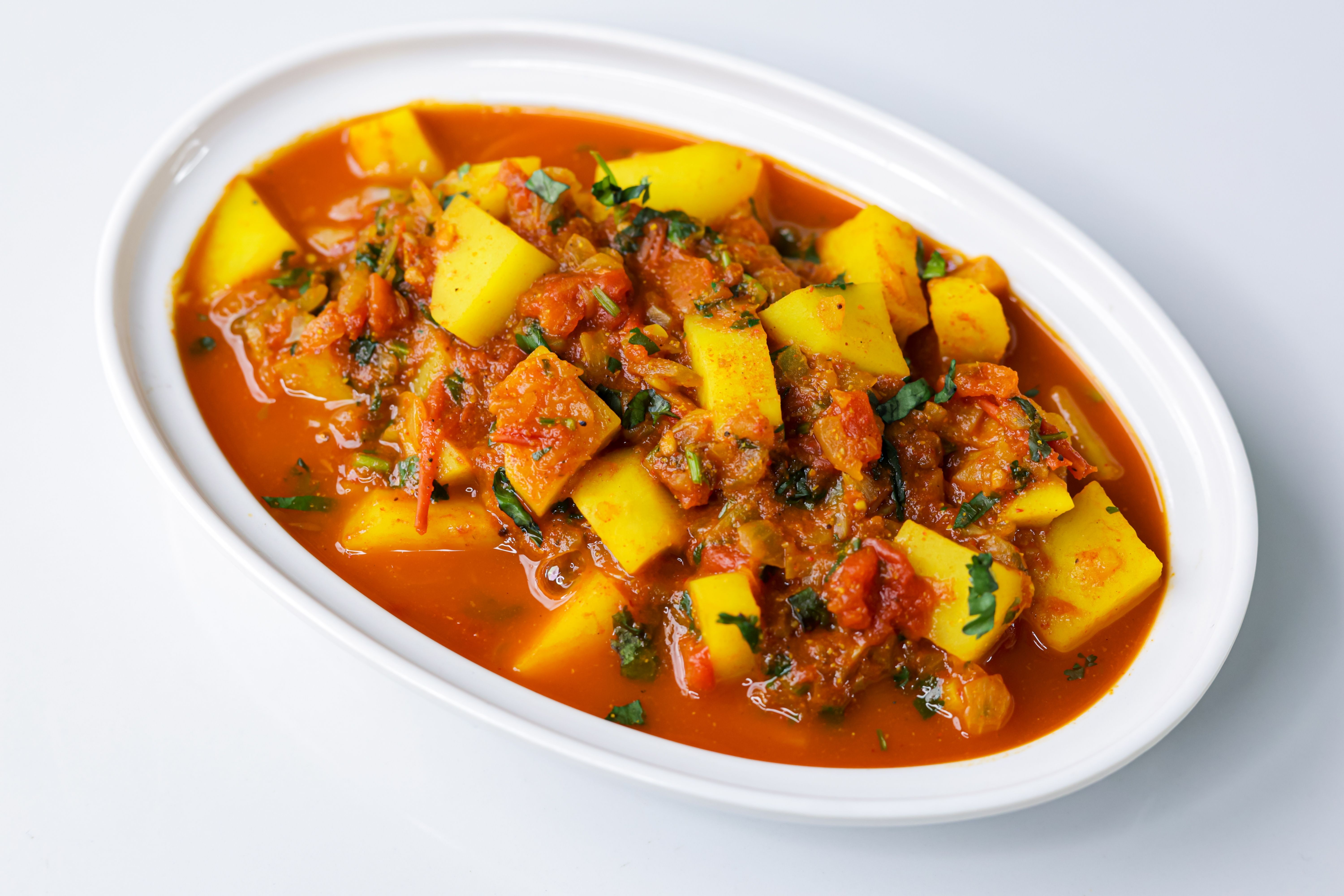
Aloo or potato is one of the most staple vegetables that is consumed in India and in some of the major parts of Asia. Potatoes are not only delicious in taste, but are also often considered as some of the richest sources of carbohydrates that will help to provide you with energy to carry out different types of crucial physiological functioning.
Aloo ki sabzi is a very commonly consumed Indian cuisine that comprises potatoes, along with vegetables of choice and availability, cooked in the form of a curry. If you are someone who is fond of aloo sabzi and wondering about the nutrients and the total amount of calories present in it, then this is the right article for you. This article will give you a detailed idea regarding the nutrients and calories in aloo sabzi, the health benefits of having aloo sabzi, and many other important details.
All that you need to know about Aloo ki Sabzi:
If you are an Indian, you probably not only will know what aloo ki sabzi is, but you may also have this dish being cooked very often in your household.
Aloo ki sabzi is a dish that is rich in necessary nutrients such as high fibre, carbs, and protein. You are not only likely to get enough energy from the complex carbohydrates that are present in it, but you will also benefit from a healthier heart, due to the potassium content, better digestion, and may also have much reduced risks of having diseases that develop as a result of chronic inflammation. Since aloo ki sabzi is a curry made of spices like turmeric and cumin, this dish is supposed to boost your immune system as well.
Nutritional components in Aloo ki sabzi:
Apart from being macro-nutrients like carbohydrates, aloo ki sabzi may contain other nutritional components as well. It is important to understand that aloo ki sabzi not only consists of potatoes, but it is a curry dish that may contain other vegetables, spices, and so on. So, it consists of fibre, protein, along with some major micronutrients like vitamins such as vitamin B and C and minerals like magnesium.
It is also quite crucial to get a view of the nutritional elements that are present in aloo ki sabzi that can help you understand how much you must consume this dish, and how often. Below is a list of some of the most common nutrients that can be found in a typical handmade aloo ki sabzi dish with a 100-gram serving size:
Calories 96 calories
Carbohydrates 17.52 grams
Dietary Fibre 3.6 grams
Total Fat
2.89 grams
Protein 2.34 grams
Sugar 1.28 grams
Saturated Fat 0.308 gram
Sodium 440 milligrams
Potassium 424 milligrams
Cholesterol 0 milligrams
One must note here that the nutrients in aloo ki sabzi and their values as given above may vary based on the types of ingredients that you use in your cooking. The value will also depend largely on the recipe, portion size, and the amounts of oil, salt, etc that are added to the dish.
Total calories present in aloo ki sabzi:
The net calories that is found in one bowl of aloo ki sabzi will depend on the ingredients that are present in the dish and the way the curry has been cooked. The calorie content of one bowl of home-cooked aloo sabzi may be somewhere between 96 to 120 kcal per 100 grams of serving. On the other hand, the calorie content in aloo ki sabzi may increase to around 150 to 250 kcal per 100 grams, if it is restaurant cooked.
The amount of calories in the aloo sabzi curry will increase if you add more ghee, oil or butter into it, as all these are high-calorie ingredients. The calorie value of aloo ki sabzi can also depend on the type of potatoes that you are using in the curry. Whereas the curry is likely to turn nutritious if you add more vegetables such as beans, peas, carrots, and so on. The calorie content in aloo ki sabzi can also vary based on the amount of gravy present in the curry.
Health benefits of having aloo ki sabzi in your diet:
Aloo sabzi is a very common cuisine that many Indian households devour in their meals. If you wish to consume aloo sabzi in your meals, you need to know about the benefits of having aloo sabzi in your diet and how it can help you stay healthy. Here is a complete list:
1. Aloo sabzi is rich in vitamins and minerals:
Aloo sabzi is a dish that consists of micro-nutrients like vitamins and minerals. Some of the major micronutrients that are present in aloo sabzi include vitamins B complex and C. These nutrients not only help you to stay healthy, but the vitamin C in aloo sabzi can also act as an antioxidant that will help to increase your immune system. Apart from vitamins, there are also minerals in aloo sabzi, such as potassium and magnesium. These nutrients help in carrying out different biological activities, and can also help to improve your neuron function and aid in your blood pressure regulation as well.
2. Aloo sabzi can improve digestion:
Aloo sabzi can help you with the easier digestion of foods. Aloo sabzi can help you to digest your food better, particularly when this dish is consumed with the skin of the potatoes that is not peeled and not thrown away. The fibre in potatoes can help you to promote a better gut microbiome and thus can help you to have better movement of bowels through the colon. Moreover, the nutrients in aloo ki sabzi can also help in the prevention of constipation.
3. Aloo ki sabzi has anti-inflammatory properties:
Aloo ki sabzi can be beneficial for those who have health issues that develop as a result of inflammation. The antioxidant and anti-inflammatory properties in aloo sabzi can help reduce the risks of developing inflammatory diseases and chronic pain. For instance, when you consume aloo ki sabzi, components like turmeric, ginger, and so on, may help reduce inflammation or any inflammatory disorders.
4. Aloo ki sabzi can keep your heart healthy:
The nutritional components in the aloo sabzi curry can be beneficial for your heart health. This is because potatoes usually contain low amounts of saturated fat and cholesterol, which makes them beneficial for your heart health. Many diet experts also recommend a plain, hearty bowl of rice or rotis with aloo ki sabzi that can be a part of your heart-healthy diet.
But, here is a word of caution: if you are a person with complications in the heart or have problems with heart health, then it is important to use less ghee or oil in this sabzi, because increased quantities of these components can spike up your cholesterol levels and affect heart health negatively.
5. Aloo sabzi in your meal gives satiety:
If you have one bowlful of aloo ki sabzi along with a plate of rice and some chapatis, you are likely to have a feeling of fullness. This will happen because potatoes in aloo ki sabzi are rich in fibre content, which can help you to remain full for a long time. This dish is also a combination of carbohydrates and a moderate quantity of fat, so a moderate quantity of this dish can not only give you a sense of fullness, but can also help to reduce overeating and promote weight management.
Final Thoughts:
Aloo ki sabzi is a vegetarian curry dish that is quite common in Indian cuisine. It is not only delicious in taste, but it is also rich in different types of nutrients such as vitamins, minerals, fibre, carbohydrates, and so on. This meal can be an incredible source of energy and can be a versatile diet as well.
Also Check: 1 Bowl Dal Calories - Nutrition Facts, Protein & Benefits
Also Check: Calories in Paratha nutrition, carbs, GI, protein, fibre, fats
Reviewer

Mrs Farhat Khan
Dietician
I have a work experience of 7 years. I like to write blogs on health topics, some of my blogs on google are Omega 3 for muscle building, Active rest , Resting heart rate. I have a work experience of 3 years as a clinical & consulting dietician in Gynaecologist hospital & 4 years as a health coach on the Goqii health application.
View profileAuthor

Bidiptaa Sen
MA in Mass Media and Communication, Jadavpur University With 3.5+ years of experience in writing marketing and SEO content on healthcare and wellness, I write articles that help people to get an idea regarding medicines that are prescribed, how to improve their wellness care and educate people how to choose accurate health facilities. My communication skills, depth of knowledge in media management and strategic methods for better social media engagement and improving readers' experience through extensive research on the healthcare scenario.
View profile