Medically reviewed by Mrs Farhat Khan
Calories in Jaggery - Nutrients, Health Benefits, And Many More
On this page
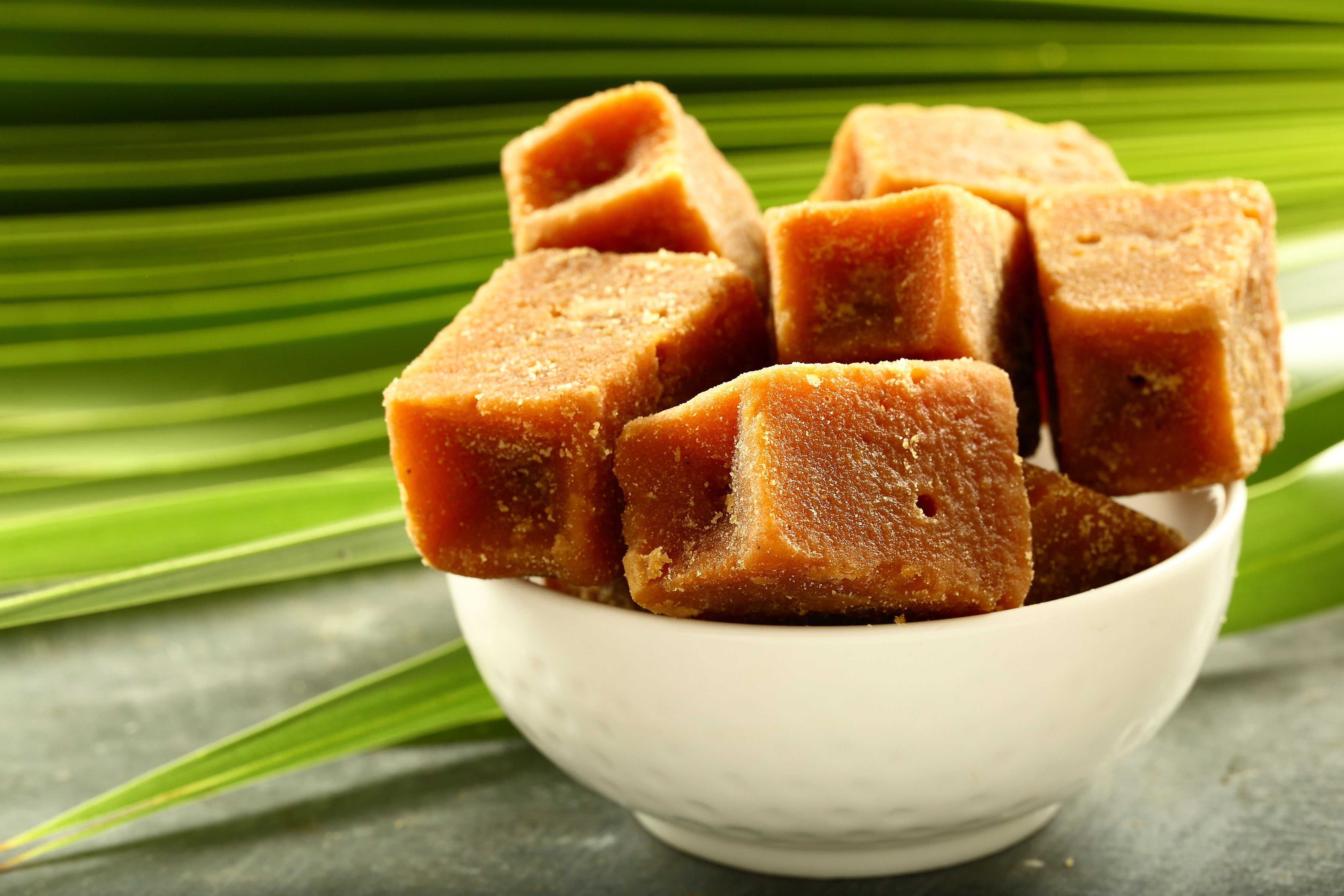
Jaggery, also known as ‘Gudh’, is one of the most consumed sweetening components that is not only popular among Indian households, but it is also consumed in some of the major parts of the world. Apart from being sweet and tasty, jaggery is known for its immense health-beneficial properties. It is rich in high amounts of nutrients required by the human body for healthy physiological functioning, and thus, jaggery is one of the key medicinal ingredients that have been used since the time of Ayurveda.
This article will help you to get a clear understanding of the calorie content in jaggery, why it is important for your health, the benefits, and other necessary details.
Calorie content in jaggery:
Most of the calories in jaggery usually come from its components, such as carbohydrates and different forms of sugars like fructose, sucrose, and some amounts of glucose.
The net calorie content in jaggery may differ in many cases, mostly due to the type of calorie that you are consuming. One bowl of around 100 grams of jaggery may contain around 380 to 390 calories. But it is also important to remember that people do not consume jaggery alone. You usually add jaggery to a dish or use it as a sweetening agent. So, your overall calorie intake from jaggery will also depend on the type of food that you are consuming. So, if you consume around 5 grams of jaggery (which might be a spoonful of jaggery), then you are likely to take in 20 calories.
Nutritional components in jaggery and health benefits:
Jaggery is rich in essential nutrients that can help to improve your overall health and the functioning of the body. All the nutrients that are found in jaggery will help to provide enough health benefits, which you need to know before you start consuming it. Some of the major nutritional components that are found in jaggery may include the following:
1. Carbohydrates.
Almost 95 to 98 per cent of jaggery is filled with carbohydrates and various forms of sugar that can help to provide enough energy to the body. This is, in fact, a healthy way of taking in natural sweeteners other than adding white or table sugar to your meals.
2. Minerals:
Jaggery consists of micro-nutrients such as minerals, which may include iron for improving the condition of hemoglobin (a pigment that is responsible for the red colouration of the blood), potassium for improving blood pressure and regulating the functions of nerves and muscle joints, calcium for better bone health, and so on.
Other trace minerals that are also present in jaggery may include phosphorus, which can help to keep your heart healthy, and provide enough energy for better metabolism and bone health, along with some amounts of magnesium for better muscle relaxation and improving metabolic activities of the body.
3. Vitamins:
Jaggery is a key source of some of the major vitamins as well, which may include some amounts of vitamin B complex. In fact, jaggery is rich in vitamin B6, which can help to release more energy by improving your metabolism and regulating the functions of your nervous system.
4. Antioxidants:
The rich amounts of antioxidants in jaggery can help in improving the immune system of the body and can aid in reducing the risks of developing any kind of severe health issues. Moreover, the plant compounds that are present in jaggery, which are mostly derived from the extracts of sugarcane juice, can help to prevent the functions of the disease-causing free radicals and fight oxidative stress in the body.
Which doctor to consult before consuming jaggery?
Before you start consuming jaggery, it is important to know whether you can add jaggery to your diet at all. For this, you need to consult a registered dietitian or a nutrition expert who will be able to tell you how much jaggery you can have each day based on your calorie requirements, how you can use jaggery in your diet, and other details. You can also consult a diabetic expert, because people with high blood sugar levels should try to avoid or limit the consumption of jaggery.
Final Thoughts:
Jaggery is a healthy alternative to added sugar or artificial sweeteners. Though it is high in calorie intake, it is rich in some of the most vital nutrients, such as vitamins, minerals, carbohydrates, antioxidants, and so on, which can help to improve your overall health and functioning, such as providing enough energy, improving digestion, reducing iron deficiency, and so on.
Also Check: Calories in 1 Almonds, Nutritional and Health Benefits
Reviewer

Mrs Farhat Khan
Dietician
I have a work experience of 7 years. I like to write blogs on health topics, some of my blogs on google are Omega 3 for muscle building, Active rest , Resting heart rate. I have a work experience of 3 years as a clinical & consulting dietician in Gynaecologist hospital & 4 years as a health coach on the Goqii health application.
View profileAuthors

Bidiptaa Sen
MA in Mass Media and Communication, Jadavpur University With 3.5+ years of experience in writing marketing and SEO content on healthcare and wellness, I write articles that help people to get an idea regarding medicines that are prescribed, how to improve their wellness care and educate people how to choose accurate health facilities. My communication skills, depth of knowledge in media management and strategic methods for better social media engagement and improving readers' experience through extensive research on the healthcare scenario.
View profile
Sania Thakur
Content writer and marketing professional with strong sales and business skills. Experienced in web content writing, data annotation, and teaching, with a proven ability to craft engaging content and drive audience growth. Background in English Literature and Language Teaching from Aligarh Muslim University. Passionate about communication, branding, and strategic market analysis.
View profile