Calories in Dal Chawal and Nutritional Information
On this page
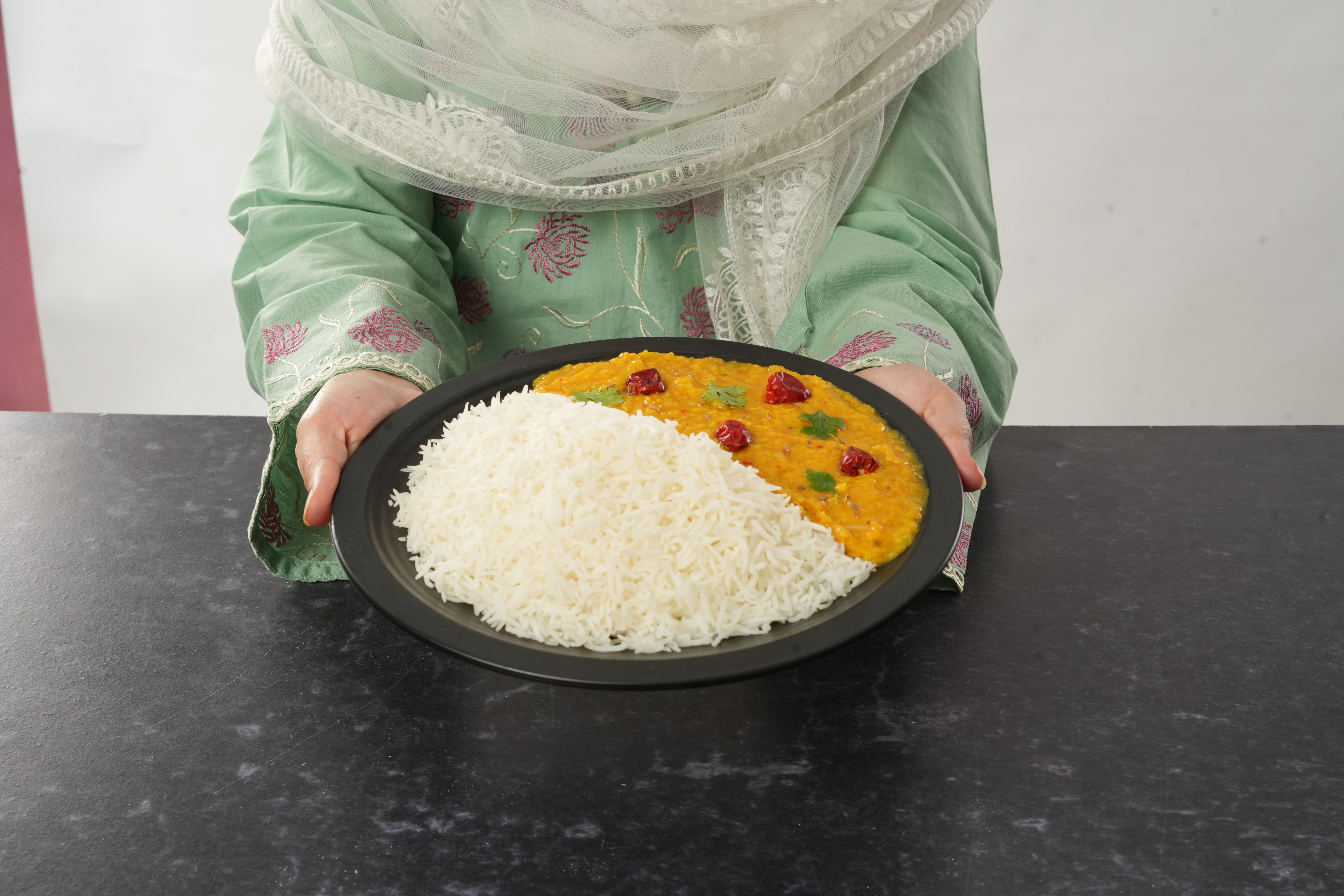
A plate of rice, paired with a bowl of pulses, commonly known as dal chawal, is one of the most popular dishes, not only in India, but also in some of the major parts of South Asian countries. Such a meal is not only wholesome but also consists of some of the major nutritional components that are required for the healthy functioning of the body. This article will help you to get a complete idea regarding the types of nutrients and calories that are present in dal chawal, their health benefits, and other details.
Calorie content in dal and chawal:
The net calorie content in dal and chawal can differ, based on the types of dal and rice grains that you are using for cooking or the way in which you are making dal and chawal. A cup of dal, which may consist of around 200 grams of serving, can consist of approximately 180 to 230 kcal of calories. On the other hand, one plate of chawal or rice can contain around 240 to 260 calories, for white rice, while the calorie content can reduce to 215 to 230 calories if you are consuming brown rice. And Total Calories in Dal Chawal vary significantly by portion, but a standard bowl (around 300g) often falls between 250-400 calories.
Nutritional components in dal chawal:
Dal and chawal are filled with some of the most vital nutrients, such as the following:
1. Protein: Dal is a major source of protein. You can get almost 12 to 18 grams of protein per cup of dal, which is required for muscle repair and growth of cells and tissues.
2. Carbohydrates and Dietary fibre: Major parts of carbohydrates and dietary fibre can be derived from rice, and some amounts of pulses as well. These complex carbs in dal and chawal usually digest slowly and help you to stay full by providing satiety. High fibre content can also help to improve digestion and your overall gut health.
3. Vitamins and minerals:
Apart from macro-nutrients, dal and chawal are also filled with essential micro-nutrients as well, especially vitamins and minerals. A plate of chawal and a bowl of dal can provide you with enough amounts of iron for better health of hemoglobin and RBC, magnesium and potassium for improving the health of your heart and kidneys, folate or folic acid, vitamins B complex (especially vitamins B1 and B6) that help in formation of red blood cell, improve nerve function, and maintaining energy levels.
Health benefits of dal and chawal:
Considering the amounts of nutrients that are present in rice and pulses, here are some of the health benefits that you may derive from them:
1. Dal chawal can keep your heart healthy:
The nutrients in dal and chawal can help to keep your levels of LDL or bad cholesterol, and high blood pressure in check and can thus help to keep your heart healthy.
2. Dal chawal is wholesome:
A plate of rice along with a bowl of pulses can form a wholesome meal that is rich in high amounts of protein and carbohydrates. Carbohydrates from the rice can help to give you energy, while protein from the pulses can aid in better growth and development.
3. Dal chawal aids in better digestion:
Dal chawal is often termed the comfort meal, as it is light and aids in digestion. It can also help in better movement of bowels through the GI tract, so that you stay regular and you can have improved gut health.
Which doctor to consult before consuming dal chawal?
Before you start dal and chawal in your diet, it is important to know whether these foods are fit for your diet at all. For this, you need to consult a registered dietitian or a nutrition expert who will be able to tell you the quantity of rice and pulses that you can have each day based on your calorie requirements, the process in which you need to make dal chawal to make it healthy, and other necessary details.
Final Thoughts:
Dal and chawal are one of the most staple and widely consumed meals in many Indian households. This meal is rich in different types of nutritional components (both macro and micronutrients) such as protein, carbohydrates, vitamins, minerals, and antioxidants that can help to provide enough health benefits to the body, such as improving your heart and digestive health, supporting energy synthesis and proper metabolism, and so on.
Also Check : Calories in 1 Roti: Nutrients, Health Benefits, And Many More
Authors

Surbhi Singhal
Surbhi is dedicated and self-motivated Ph.D. scholar passionate about Content Creation, Editing, and Teaching. I excel in dynamic environments, thrive on challenges, and am eager to contribute my expertise and enthusiasm in pushing the boundaries of knowledge.
View profile
Sania Thakur
Content writer and marketing professional with strong sales and business skills. Experienced in web content writing, data annotation, and teaching, with a proven ability to craft engaging content and drive audience growth. Background in English Literature and Language Teaching from Aligarh Muslim University. Passionate about communication, branding, and strategic market analysis.
View profile