Is Red Meat Good or Bad For Your Health?
On this page
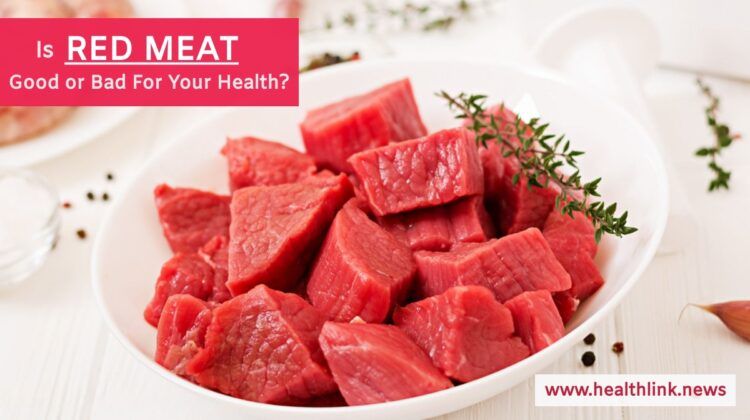
Specialists usually list red meat as flesh meat from beef, sheep, goat, or various land mammals. On the one hand, beef is an excellent supply of specific vitamins, diet B-12, and iron. The human body needs those vitamins to provide new red blood cells. It is also high in protein, which is necessary for constructing muscle, bone, other tissues, and enzymes. However, some studies have compared the everyday consumption of pork to several health problems, including coronary heart disorder, some cancers, kidney issues, digestive issues, and death.
Similarly, some research suggests that pork makes the maximum distinction if a person repeatedly eats, which complicates the case. Leaner cuts of unprocessed red meat, including sirloin steaks or red meat tenderloin, can be more wholesome than different. This is because they are unprocessed and no longer contain excess salt, fats, or chemicals; processed red meat— including bacon, hot dogs, sausage, bologna, salami, and comparable meats — seem to hold more risk of health issues.
This animal’s meat is unique from the beef derived from a cow born and raised in a factory, fed grain-based feed, and gives growth hormones and antibiotics. Today, some meat products are notably processed after the animals have been slaughtered. They are smoked, cured, then dealt with nitrates, preservatives, and various chemicals. Therefore, it is critical to differentiate among types of meat: Processed meat: These stocks are usually from conventionally raised cows, then go through numerous processing strategies. Examples encompass sausages and bacon.
Regular pork: Regular crimson meats are unprocessed.
Various types
Types of meat are divided by their animal source and how it is prepared.
1. Red meat
This comes from mammals and contains iron-rich protein myoglobin in its tissue than white meat. Examples:
- beef (cattle)
- pork
- sheep
- calves
- goat
- elk, and fawn
2. White meat
This is lighter in color than red meat and comes from birds. Examples:
- rooster
- fowl
- duck
- goose
3. Processed meat
Processed meat has been modified through salting, restoring, smudging, wilting, or other processes to preserve or enhance flavor. Examples include:
- hot dogs
- sausage
- bacon (fletch)
- Bologna, salami
Meat comes from various animals and is categorized as either red or white, depends on the source. Treated products have been modified with additives to improve the taste.
They also do not have any synthetic chemicals added. When analyzing the health outcomes of meat, it is crucial to recognize that not all meat is created equal. It is essential to make a difference between one-of-a-kind styles of meat. For example, grass-fed and natural meat is nutritionally distinctive processed meat from factory-farmed.
Is Red Meat Nutritious?
It is one of the nutritious food ones can eat. It is loaded with nutrients, minerals, antioxidants, and numerous nutrients that may profoundly impact health.
A three.5-ounce (one hundred-gram) portion of uncooked floor red meat (10% fats) includes:
- Vitamin B3: 25% of the RDA
- Vitamin B12: 37% of the RDA (this nutrition is unattainable from plant meals)
- Vitamin B6: 18% of the RDA Iron: 12% of the RDA (that is brilliant heme iron, that is absorbed a great deal better than iron from flora)
- Zinc: 32% of the RDA
- Selenium: 24% of the RDA Plenty of different nutrients and minerals in smaller quantities.
This comes with a calorie count number of 176, with 20 grams of first-rate animal protein and 10 grams of fat. Red meat is likewise wealthy in vital nutrients. Vegetarians are often low in these nutrients, which might doubtlessly affect muscle and brain characteristics. Grass-fed pork is even more nutritious than grain-fed beef, containing masses of heart-wholesome omega-3s, the fatty acid CLA and better quantities of nutrients A and E.
Red meat may be very nutritious, specifically if it comes from animals that have been obviously fed and raised. It is an excellent supply of protein, iron, B12, zinc, creatine, and various vitamins.
Heart-related issues
Heart sickness and saturated fats Nuts and beans are healthy plant-based assets of protein. Much distinctive research has recommended that eating meat frequently can result in a higher chance of coronary heart disease. For years, specialists have believed that the link between red meat consumption and heart disease is due to the saturated fat present in meat.
The American Heart Association (AHA) declares that red meats typically have more saturated fats than other protein sources, including chook, fish, or legumes. They suggest that ingesting excessive amounts of saturated fats and any quantity of trans fat can improve someone’s cholesterol levels and growth their chance of coronary heart disease.
They, therefore, defend that people restrict the amount of red meat they eat and inspire human beings to select lean cuts of meat. That being stated, meat is not the number one supply of Tran’s fats inside the Western diet. Packaged, processed, and fried meals tend to comprise the maximum.
The AHA also gives an explanation that beans and legumes are heart-wholesome opportunity assets of protein. This may include
- pinto beans,
- kidney beans,
- garbanzo beans,
- chickpeas, soybeans, lentils,
- Cut-up peas and black-eyed peas.
A meta-evaluation in the magazine Circulation checked out 36 extraordinary research. It concluded that replacing beef with excessive excellent plant protein sources — however no longer ideal low carbohydrates — led to “greater favorable” fat concentrations within the blood.
The meta-analysis also located that there were no longer tremendous upgrades in general cholesterol, low-density lipoprotein cholesterol, excessive density lipoprotein cholesterol, or blood stress among the pork and animal protein food plan agencies. Other research has wondered the notion that saturated fats have links with heart sickness. The authors of a review of heart disorder risk nation that researchers have exaggerated the function of saturated fats in the development of coronary heart disorder. Also, a group of cardiologists wrote an article stating that saturated fats do not clog the arteries or increase the hazard of coronary heart sickness. Another report says that numerous analyses and evaluations do not support the belief that consuming saturated fat is linked with heart sickness.
All things considered, there’s proof both for and against saturated fat playing a role in coronary heart disease. Research is ongoing.
Heart disorder and trimethylamine N-oxide
Some research has suggested that pork has different potential coronary heart disease dangers other than the saturated fats debate. A recent observation found that folks who consume beef regularly have better stages of a metabolite called trimethylamine N-oxide (TMAO). Bacteria within the gut produce TMAO at some point indigestion. It is linked to an accelerated threat of coronary heart ailment demise. This observation indicates that folks that ate beef had tripled the levels of TMAO in comparison with people who ate chicken or plant-based proteins. However, their TMAO tiers lower back to every day around four weeks after stopping eating pork.
Red meat might enhance the Risk of Cancer?
Much observational research displays that beef consumption is associated with an accelerated hazard of cancer. The foremost cancer that red meat is assumed to cause is colorectal cancer; the fourth maximum usually diagnosed most cancers within the international. A recurrent hassle in this research is they pool collectively processed meat and unprocessed pork. Meta-analyses in which researchers analyze statistics from many studies display that the expanded danger of colorectal cancer is very low. One meta-evaluation determined a vulnerable impact for men but no effect for women. Other research proposes that it is now not the meat itself, but as alternative harmful compounds that shape when the beef is cooked, contributing to the multiplied risk.
Several observational studies display those pork eaters are at a greater danger of most cancers; however, extensive reviews looking at the evidence as an entire show that the effect is susceptible and inconsistent.
Correlation Does Not Equal Causation When you observe intently, all studies that prove that pork causes damage are observational research.
These styles of research can solely demonstrate correlation or that two variables are connected. Studies can tell us that individuals who eat red meat are more likely to get sick; however, they cannot confirm that red meat is the reason. One of the primary issues with such research is that they may be plagued by various confounding factors. For instance, individuals who devour beef are less fitness-conscious and more likely to smoke, drink excessively, and consume extra sugar, exercise less, and many others. Health-aware people behave differently from folks who are not, and it is impossible to correct all these factors.
Another trouble with observational research is that they are based totally on food frequency questionnaires, in which humans are predicted to keep in mind what they ate in the past. It is usually a wrong concept to make fitness choices based totally on observational research by myself.
Observational studies cannot be used to determine purpose and impact. There are many confounders in such studies, and higher-great contemplations occasionally display the exact opposite effect.
How much meat is too much?
The hints for the way a lot of meat is healthy vary from employer to organization. The World Cancer Research Fund and American Institute for Cancer Research (AICR) say that if a person eats red meat, they should restrict their intake to three servings in keeping with the week. This could be equal to approximately 12–18 ounces in line with the week.
They additionally say to eat little, “if any,” processed meat, provide an explanation that meat can be a valuable source of vitamins but that people do no longer need to eat meat — red or in any other case — to be healthy. In fact, they say that “humans can reap good enough protein from a mixture of pulses (legumes) and cereals (grains).”
The AHA says that people must cut again on meat and only consume it “once in a while,” sticking to lean cuts and quantities, which might be no significant than 6 oz. However, not all people consent that people need to avoid or restrict pork. One article states that an “overzealous consciousness” on limiting red meat can lead people to eat much less nutritious meals, such as highly processed junk ingredients.
Also, because researchers have connected fantastically processed meals with several fitness problems, this cannot be an advantageous exchange-off. The article also states that “unprocessed red meats are one of the excellent resources of high first-class protein and make vital contributions to nutrient intakes.” They also can preserve triglyceride degrees decrease than excessive carbohydrate diets do.
Considerations:
It is tough to hyperlink one meal or meals institution to fitness issues. This is because more than a few other factors — along with genetics, environment, fitness history, strain ranges, sleep great, lifestyle, and other dietary elements — may also play a role in whether or not or no longer has a person developed a specific situation or disease. Still, the frame of evidence claiming that consuming excessive amounts of pork, processed meat, could cause fitness troubles is developing. Major health agencies, such as the AICR and the AHA, propose eating more plant life and less meat to fight sickness. For this reason, human beings may also want to reduce pink and processed meat and to attention to foods that incorporate antioxidants and nutrients — such as culmination and greens — that can assist in preventing fitness problems. It is important to recall that substituting pork for processed, low first-class carbohydrates can cause worse insulin sensitivity, triglyceride levels, and everyday fitness.