Calories in sweet corn: Nutritional facts, Health Benefits, and Other Details
On this page
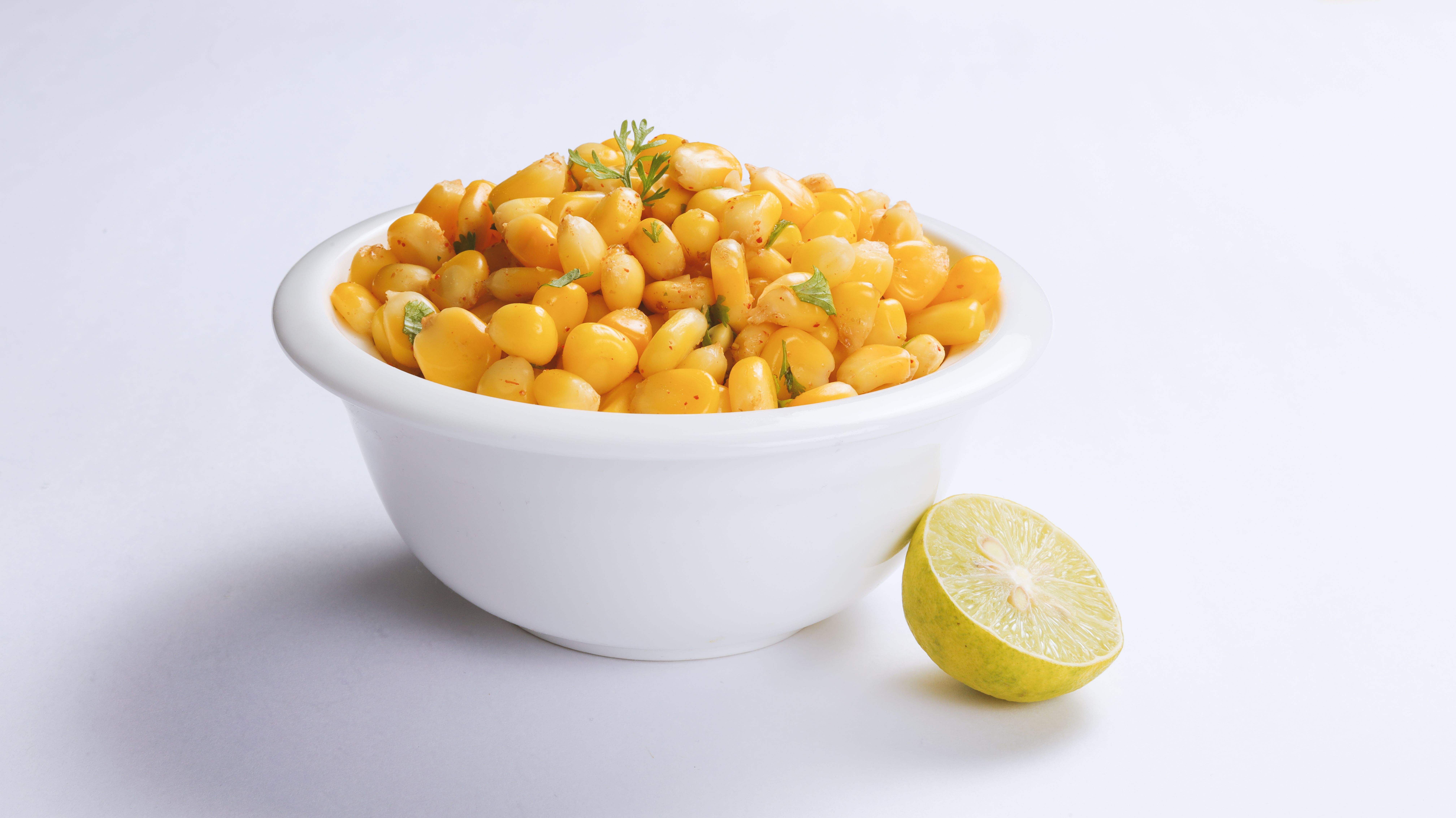
Sweet corn is a commonly consumed vegetable, not only in India, but also in many parts of the world. It not only brings a lovely and delicious taste, but you can also derive a whole lot of nutrients from sweet corn. It is probably due to this reason that many health care professionals and dietitian experts recommend people to have sweet corn in your diet.
Many people have sweet corn, for instance, in soup or in different types of dishes, but do you know that sweet corn can provide health benefits too? This article can be a wonderful guide for you to know all the details about sweet corn - what the net approximate calorie content is in sweet corn, the nutrients present in it, how sweet corn can help you stay healthy, and other necessary information.
Calorie content in sweet corn:
It is not always possible to count the exact calorie content in sweet corn, because the net calorie count may often depend largely on the way in which you prepare your sweet corn. For example, if you prepare a dish of sweet corn that is infused with large amounts of butter, then the calorie content will be higher, but if you add sweet corn to a clear chicken broth, it will add comparatively lesser amounts of calories to your body. Sweet corn is mostly made of carbohydrates, and according to some experts, a bowl of 100-gram serving of sweet corn may contain 80 to 100 kcal of calories on average.
Moreover, the total calorie count of sweet corn can also depend on the size of the ear or the volume of kernels. So, for instance, 1 small ear or approximately 80 to 90 grams of kernel can contain 63 to 86 calories on average, whereas the calorie content will increase to 77 to 99 kcal for 1 medium ear of approximately 100 grams of kernel. For a large ear of almost 140 to 145 grams, the calorie content can be 123 to 143 on average, while the calorie content will increase to 125–177 kcal when you consume 1 cup of kernels or 150 to 165 grams approximately.
Nutritional content in sweet corn:
Sweet corn is rich in nutritional components, most of which are required in the human body for improving overall physiological functioning and staying healthy. Some of the most vital nutrients that are present in sweet corn can be listed below:
1. Carbohydrates:
Sweet corn is often considered one of the richest sources of carbohydrates. Being rich in carbohydrates, consuming sweet corn in your diet can help you to gain enough amounts of energy that will help you to remain active throughout the day. Moreover, when you consume sweet corn, you are deriving good amounts of natural sugars and starches for the body. This can help you have enough sustained energy. Thus, many experts recommend sweet corn for those who are usually active individuals and for growing children as well.
2. Dietary fibre:
Apart from carbohydrates, sweet corn can be a rich source of dietary fibre as well. The rich fibre content in sweet corn can improve your digestive system and help with better gut movement as well. The rich dietary fibre that is present in sweet corn is thus suggested for regulating bowel movements along with maintaining healthy blood sugar levels.
3. Protein:
Sweet corn can also provide you with enough protein content. In fact, sweet corn is often considered to be a moderate source of protein, especially plant-based protein that is highly beneficial for proper growth and development. Sweet corn also consists of amino acids, which are known as the building blocks of protein. Many experts recommend consuming sweet corn along with legumes for better protein intake.
4. Vitamins:
Apart from being rich in macro-nutrients, sweet corn can be a rich source of some of the major micro-nutrients as well. Sweet corn consists of vital vitamins such as vitamin B complex - especially vitamin B1 or Thiamine which helps in supporting better metabolism and improves functioning of the nervous system, vitamin B5 that aids in metabolism of fats and carbohydrates in the body, folic acid or folate, which is vitamin B9, whih is important for DNA synthesis and formation of enough red blood cells (RBC) in the body.
Sweet corn is also a rich source of vitamin C, which often acts as an antioxidant and helps to boost your overall immune system. Vitamin A or beta-carotene in sweet corn is also beneficial for improving overall eye health, vision and the health of your skin.
5. Minerals:
Sweet corn is also a rich source of some of the key minerals that are required in the body, such as magnesium, which helps to support better health and the functions of the nerves. It can also help to improve your muscle health.
Sweet corn also consists of potassium, which is essential for regulating the fluid balance in your body and regulating your blood pressure. While phosphorus in sweet corn is essential for improving the health of your bones and teeth, sweet corn also consists of vital minerals like iron, which is important for transporting oxygen in the blood.
6. Antioxidants:
Being a plant-based food component, sweet corn is rich in some of the vital antioxidants and plant-based compounds that can help in improving your overall health and physiological functioning. Sweet corn is rich in antioxidants such as lutein and zeaxanthin, which can significantly help to improve your eye health.
Moreover, sweet corn also consists of some amounts of phenolic components that can help to improve your eye health. These antioxidants can also help to prevent oxidative stress in the body and help to prevent the risks of developing different types of diseases.
Health benefits of having sweet corn:
There are several health benefits that you can derive from having sweet corn in your diet. Some of the major health benefits may include the following:
1. Sweet corn can provide better energy:
Sweet corn is rich in high amounts of dietary fibre, carbohydrates, and natural sugar that can help you get enough energy for functioning in various types of activities throughout the day. The complex carbohydrates in sweet corn break down into simpler forms to release enough energy to the body. Moreover, sweet corn can help to maintain energy levels throughout the day without a sudden increase in your blood sugar.
2. Sweet corn can improve eye health:
Sweet corn consists of nutrients such as vitamin A, antioxidants, and minerals, which can help to improve your overall vision. The nutritional components are beneficial for improving disorders related to the eye, such as antioxidants that help to protect the eyes from age-related macular degeneration and can prevent damage to the eyes caused by exposure to the harmful rays of light.
3. Sweet corn can boost the immune system:
You can derive several nutrients from sweet corn, which can help boost your immune system. Moreover, sweet corn consists of antioxidants that can help to fight free radicals, which can help to fight diseases and strengthen your immune system.
Which doctor should to consult before consuming sweet corn?
Before you start adding sweet corn to your diet, you need to consult a healthcare professional first, so that you do not develop any specific side effects after consuming it. It is always advisable for you to consult a nutritionist or a registered dietitian who can help you understand what amount of sweet corn you can consume, the net number of calories, how much sweet corn you can have, and other details.
Final Thoughts:
Sweet corn consists of is one of the healthiest food items that can help to improve your overall health and wellness. They are rich in nutrients, including carbohydrates, protein, vitamins, minerals, and antioxidants, which can help to provide various health benefits such as improving eye health, digestion, providing energy, and so on. But before having sweet corn, you must always consult a health care professional or an expert.
Author

Bidiptaa Sen
MA in Mass Media and Communication, Jadavpur University With 3.5+ years of experience in writing marketing and SEO content on healthcare and wellness, I write articles that help people to get an idea regarding medicines that are prescribed, how to improve their wellness care and educate people how to choose accurate health facilities. My communication skills, depth of knowledge in media management and strategic methods for better social media engagement and improving readers' experience through extensive research on the healthcare scenario.
View profile