CALORIES IN NOODLES: PROS AND CONS OF HAVING NOODLES
On this page
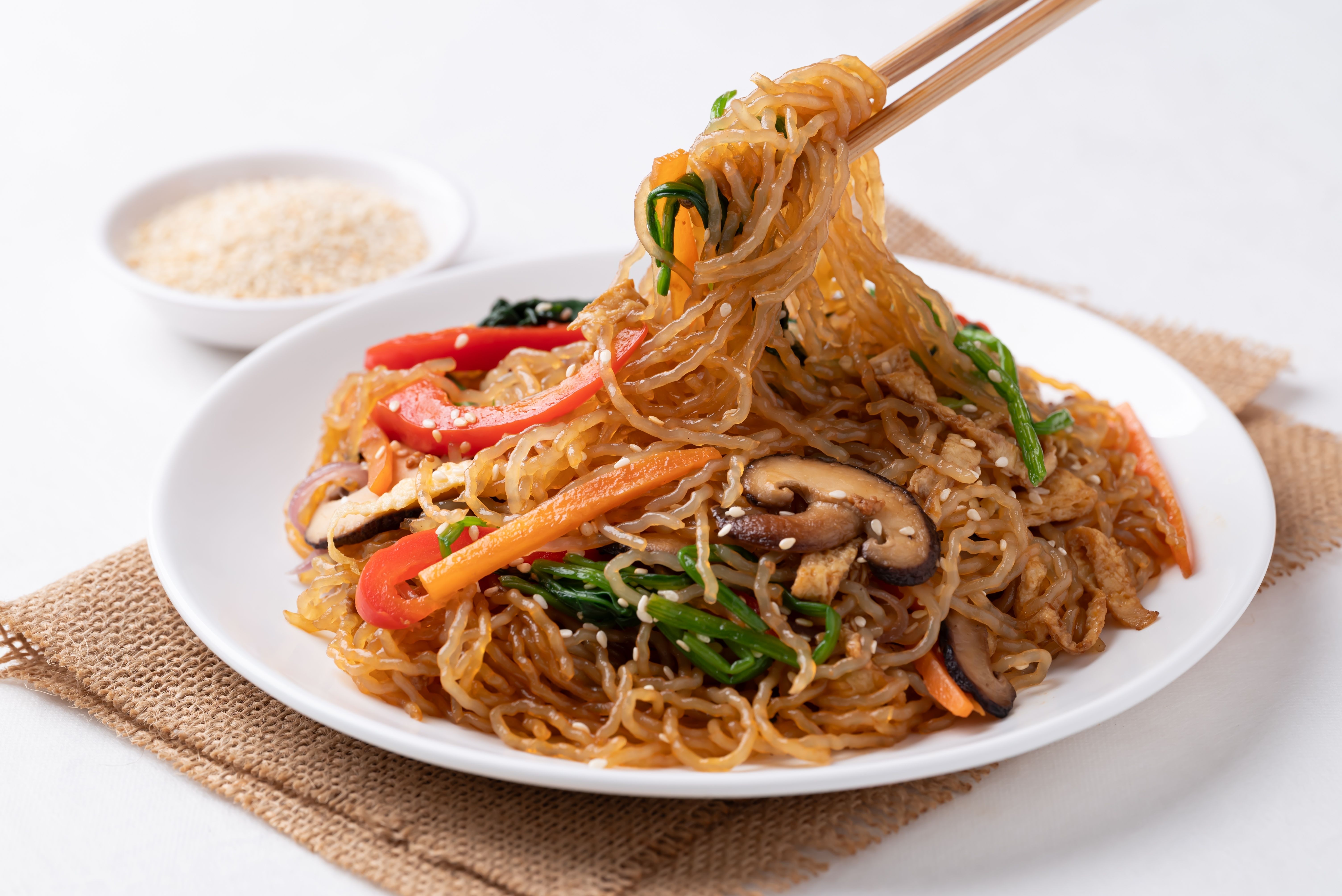
Be it kids or adults, who does not want to have noodles? Noodles are some of the most widely consumed fast foods in many parts of South Asia. But do you know whether having noodles often is good for your health at all or not? This article will help you understand the types of components that are present in noodles, their calorie contents, whether they can lead to any health benefits, their side effects, and other details.
Calorie content in noodles:
The net amounts of calories that are present in noodles usually depend on the types of noodles that you are consuming, the way you are making them, and so on. For instance, if you are consuming noodles made from refined flour or maida, you are likely to take in more calories than noodles that are made of rice, millet, or atta/wheat. Moreover, adding more oil, spices, and so on can also increase the calorie content of the noodles produced after cooking. Having instant or cup noodles can contain more calories.
On average, if you consume one bowl of cooked noodles made of weight, containing almost around 100 grams of portion size, then you are likely to get approximately 130 to 160 calories. If you consume instant noodles, then the calorie content may almost shoot up, and one pack of instant noodles, weighing around 70 to 85 grams, can contain approximately 300 to 450 calories or more, depending on the ingredients you add to the noodles. Rice noodles, on the other hand, can contain significantly lower amounts of calories, almost 110 to 130 kcal per 100 grams.
Adding further oil, butter or cheese, creamy sauces, or deep-fried toppings to noodles can spike the calorie content instantly to almost 400–600 calories per serving.
Is there any benefit to having noodles?
There is no such nutritional component that is found significantly in noodles. So, it cannot be claimed that having noodles, cooked or instant ones, can provide you with any health benefits. Still, there are pros and cons of having noodles. Here is a list of some of the benefits that you may enjoy from having noodles:
1. You can make it instantly:
Not just instant or cup noodles, other types of noodles that are made of wheat or rice can also be made quite quickly. So, it makes it easier to consume noodles as a meal when you need a comfort food, and you are in no mood to cook after a long day or when you need to have a filling meal on a busy day.
2. High in carbohydrates:
Noodles that are made of wheat or rice are always rich in carbohydrate content. These carbs in noodles, when consumed, can help to release energy, which will be beneficial to carry out necessary activities.
Side effects of having noodles:
Apart from increasing your calorie intake, having noodles, that too, in higher quantities, can also lead to major adverse effects on your overall health. Some of them can be listed here as follows:
Noodles made of refined flour can spike blood glucose levels
Noodles can worsen the health of those who have insulin resistance
Excessive calorie intake from noodles can lead to weight gain or obesity, leading to related problems like heart issues, diabetes, etc
Instant noodles are filled with high sodium, preservatives, and unhealthy fats that are adverse to your health.
Which doctor should you consult before consuming noodles?
If you consult any doctor or a health care expert regarding the consumption of noodles, you may be advised to consume them in moderation. This is because having high quantities of noodles, or having them daily, can cause negative effects on your health.
Before you start having noodles, you must consult a registered dietitian or a nutritionist who will be able to tell you how many noodles you should have based on calorie intake, the type of noodles that are okay for you, whether you can have noodles at all or not, and other details.
Final Thoughts:
Noodles are some of the most savoury dishes that are loved by all. But having noodles can be risky as it is high in calories and contain low amounts of nutrients and carbohydrates. Though it can help you to have some energy, and it is easy to make, you must always consume noodles in limited quantities to avoid the risks of side effects.
Also Check: Calories in Uttapam – Nutrition Facts Information
Authors

Bidiptaa Sen
MA in Mass Media and Communication, Jadavpur University With 3.5+ years of experience in writing marketing and SEO content on healthcare and wellness, I write articles that help people to get an idea regarding medicines that are prescribed, how to improve their wellness care and educate people how to choose accurate health facilities. My communication skills, depth of knowledge in media management and strategic methods for better social media engagement and improving readers' experience through extensive research on the healthcare scenario.
View profile
Yashodhwara Singh
I completed my BTEC in Aeronautics from Acharya Institute, Bengaluru, and my schooling from Aligarh Muslim University. I have completed multiple internships, including at HAL. With prior experience in technical writing, I currently work part-time as a medical content writer at DocIndia.
View profile