Calories in Fried Rice - Nutrition Information Facts
On this page
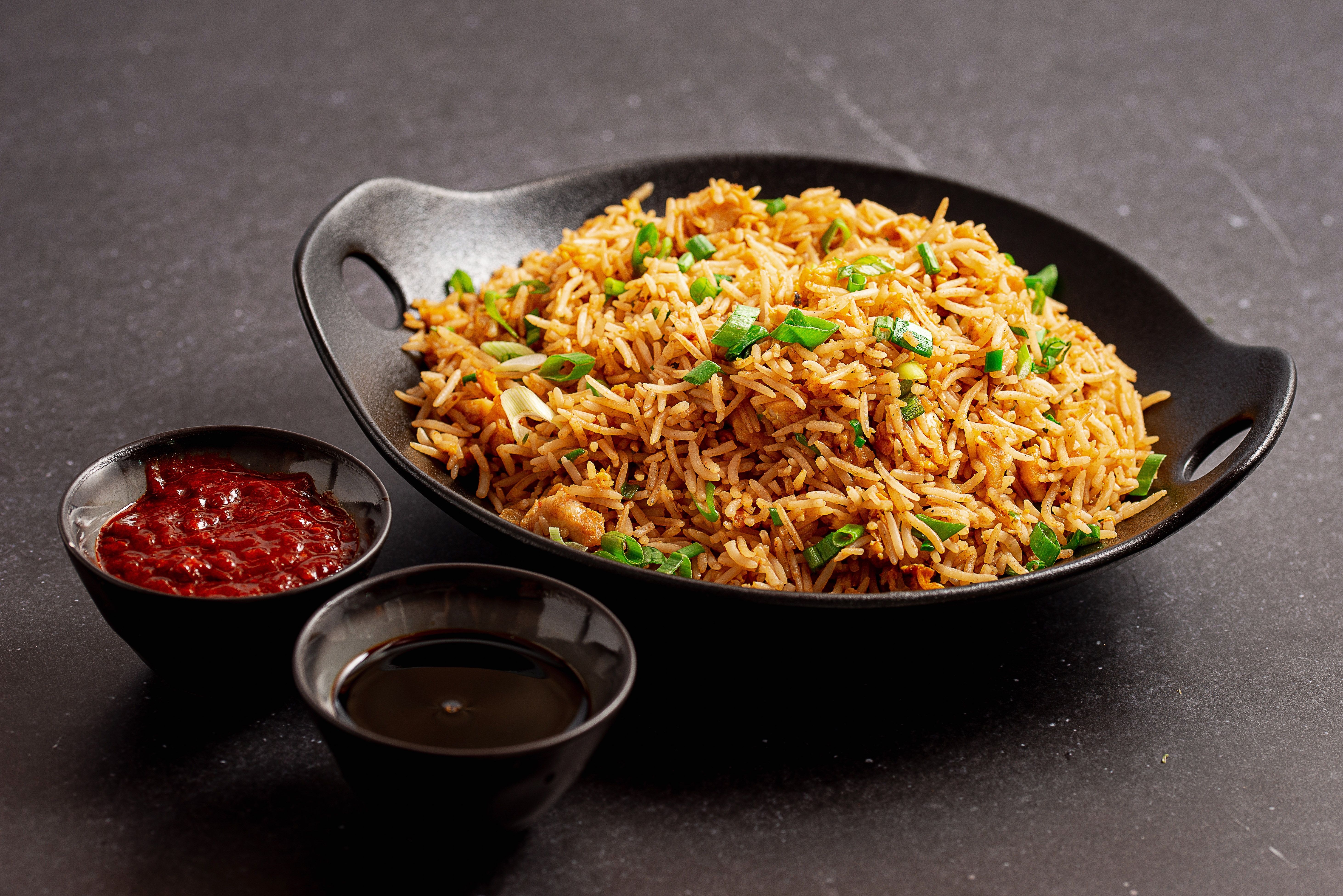
Fried rice is quite a popular dish that is not only delicious in taste but is also rich in nutrients, especially when it contains added vegetables and other healthy ingredients. This article will help you to get a clear idea about the calorie content in fried rice, the nutrients present, whether you can get health benefits from fried rice, and other details.
Calorie content in fried rice:
Being fried, this rice can have a bit more calories compared to plain steamed rice. However, the calorie content in fried rice can vary based on the types of ingredients that are added to it. For instance, a fried rice is bound to become healthier and richer in nutrients when you add vegetables, compared to adding more oil or shrimp to it.
If you are consuming one bowl of fried rice, which is around 200 grams by weight, then you are consuming approximately 200 to 300 calories. The calorie intake is likely to increase to around 300 to 400 kcal per bowl when you add components such as shrimps, chicken, oysters, eggs, and so on. But it is important to remember that most of the calories usually come from the carbohydrates that are present in rice.
Nutrients that are present in fried rice:
Fried rice is hardly a nutritional food item. But it can still contain some of the major nutritional elements that are required for your health and wellness. Some of them include the following:
1. Carbohydrates:
Carbohydrates are present in fried rice as some of the major macronutrients. The rich amounts of carbohydrates derived from the rice can help to provide enough energy to the body.
2. Protein:
You may get some amounts of protein from fried rice, depending on the type of ingredients that you are adding to the dish. You are likely to derive the protein from added chicken or egg, which can be beneficial for your overall health.
3. Vitamins:
Fried rice contains trace amounts of vitamins, especially from the vegetables that are added to it. Some of the major vitamins that are found in fried rice may include vitamin D for better bone strength, vitamin B complex, some amounts of vitamin C, which often acts as an antioxidant, vitamin A for improving the health of skin and eyes, and so on.
4. Minerals:
Apart from vitamins, fried rice may also contain some amounts of minerals. The most common minerals that are found in fried rice may include iron for better health of blood cells and haemoglobin, sodium, which is often derived from soy sauce used while making the rice, zinc, and so on.
Besides these, fried rice can also contain components such as choline and antioxidants for boosting your immune system and improving your overall health.
Health benefits of fried rice:
It is often debatable whether you will have any health benefits from fried rice at all. Here is a list of benefits that you may enjoy:
1. It can form quite a healthy and wholesome meal
2. It is often rich in proteins and aids in better metabolism
3. Ingredients and nutrients in fried rice can boost the immune system.
Which doctor should you consult before consuming Tomatoes?
Though fried rice is quite a commonly consumed dish among various Asian households, it should be consumed based on their health conditions. So, before you start adding fried rice to your diet, you need to know whether you can even have this preparation of rice at all. For this, you need to consult a registered dietitian or a nutrition expert who will be able to tell you how much fried rice (in terms of portion size) you can have each day based on your calorie requirements, how to cook fried rice so the dish remains healthy, and other necessary details.
Final Thoughts:
Fried rice is one of the most widely consumed rice dishes in most South Asian countries, including India. It can help you with certain health benefits when consumed in moderation. This rice dish contains vital nutrients, such as vitamins, minerals, and antioxidants, along with some carbohydrates and protein. In fact, this rice has a relatively low-calorie content. The nutrients in fried rice can help to provide enough health benefits to the body as well, such as healthy weight management, supporting better digestion, boosting the immune system, and so on.
Also Check : How many Calories in Wheat Roti - Nutritional Information
Authors

Bidiptaa Sen
MA in Mass Media and Communication, Jadavpur University With 3.5+ years of experience in writing marketing and SEO content on healthcare and wellness, I write articles that help people to get an idea regarding medicines that are prescribed, how to improve their wellness care and educate people how to choose accurate health facilities. My communication skills, depth of knowledge in media management and strategic methods for better social media engagement and improving readers' experience through extensive research on the healthcare scenario.
View profile
Yashodhwara Singh
I completed my BTEC in Aeronautics from Acharya Institute, Bengaluru, and my schooling from Aligarh Muslim University. I have completed multiple internships, including at HAL. With prior experience in technical writing, I currently work part-time as a medical content writer at DocIndia.
View profile