Vitamin D-Rich Foods: Why it is Important for Your Health?
On this page
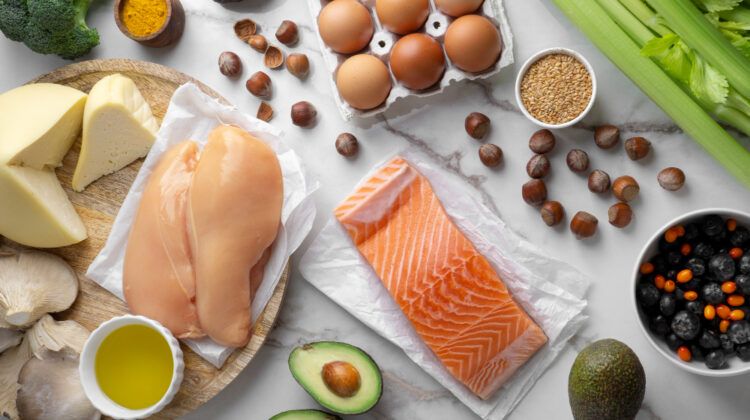
Vitamin D, also known as the “sunshine vitamin,” is essential for preserving general health and well-being. Because it may be produced by our bodies when exposed to sunshine, this fat-soluble vitamin is special. Nevertheless, a lot of people find it difficult to consume the recommended amount each day, which may result in health problems. The significance of vitamin D, its daily recommended intake, its effects on health, and the top ten foods high in vitamin D that can help you maintain optimal levels will all be covered in this study.
Daily Recommended Dose of Vitamin D
The recommended daily intake of vitamin D varies based on factors such as age, sex, and overall health. Generally, the guidelines suggest that:
- Infants (0-12 months): 400 IU (10 mcg)
- Children (1-18 years): 600 IU (15 mcg)
- Adults (19-70 years): 600 IU (15 mcg)
- Adults (71 years and older): 800 IU (20 mcg)
- Pregnant and breastfeeding women: 600 IU (15 mcg)
It’s important to note that these recommendations may vary based on individual health conditions and geographical locations. Consultation with a healthcare professional is advisable to determine the appropriate vitamin D intake for specific needs.
Vitamin D and Health
Vitamin D plays a crucial role in maintaining various bodily functions. It is essential for bone health as it aids in the absorption of calcium and phosphorus, contributing to the formation and maintenance of strong bones and teeth. Additionally, vitamin D is involved in immune system regulation, cell growth, and inflammation reduction.
Deficiency in vitamin D has been linked to a range of health issues, including osteoporosis, rickets in children, and an increased risk of chronic diseases such as cardiovascular diseases, diabetes, and certain cancers. Adequate levels of vitamin D are vital for overall health and disease prevention.
Food Sources
While sunlight remains a primary source of vitamin D, incorporating vitamin D-rich foods into your diet is crucial for those who may not receive sufficient sunlight exposure. Here are ten food sources that can help you meet your vitamin D needs:
Cod Liver Oil
One of the richest natural sources of vitamin D is cod liver oil. Just one tablespoon can provide over 1,300 IU of vitamin D, surpassing the daily recommended intake for many individuals. Additionally, cod liver oil is a good source of omega-3 fatty acids, which offer additional health benefits.
Salmon
Fatty fish, such as salmon, is an excellent source of vitamin D. A 3.5-ounce (100-gram) serving of cooked salmon can deliver around 570 IU of vitamin D. Salmon is also rich in omega-3 fatty acids, making it a heart-healthy choice.
Swordfish
Swordfish is another seafood option that provides a substantial amount of vitamin D. A 3.5-ounce (100-gram) serving of cooked swordfish can offer approximately 566 IU of vitamin D. However, it’s important to consume swordfish in moderation due to its mercury content.
Tuna Fish
Canned tuna is a convenient and affordable source of vitamin D. A 3.5-ounce (100-gram) serving of canned tuna in oil can provide around 236 IU of vitamin D. Opt for tuna in oil rather than water to maximize your vitamin D intake.
Orange Juice Fortified with Vitamin D
For those who prefer plant-based options, fortified orange juice can be an excellent source of vitamin D. Check the label to ensure that the juice is fortified with vitamin D, as not all brands include this essential nutrient.
Dairy and Plant Milks Fortified with Vitamin D
Milk, whether from cows or plant-based alternatives like soy or almond milk, can be fortified with vitamin D. A cup of fortified milk typically contains around 100 IU of vitamin D. This is a convenient way for individuals who are lactose intolerant or follow a vegan diet to supplement their vitamin D intake.
Sardines
Sardines are small, fatty fish that packs a punch when it comes to vitamin D. A 3.5-ounce (100-gram) serving of canned sardines can provide approximately 272 IU of vitamin D. Enjoy them on whole grain crackers or toss them in salads for a nutrient boost.
Beef Liver
Organ meats, particularly beef liver, are rich in various nutrients, including vitamin D. A 3.5-ounce (100-gram) serving of cooked beef liver can supply around 49 IU of vitamin D. However, it’s essential to consume organ meats in moderation due to their high vitamin A content.
Egg Yolk
Egg yolks are a natural source of vitamin D. A single large egg yolk can contain about 41 IU of vitamin D. Including eggs in your diet can contribute to your overall vitamin D intake while providing essential proteins and other nutrients.
Fortified Cereals
Many breakfast cereals are fortified with essential vitamins, including vitamin D. Check the labels to ensure that the cereal you choose is fortified with vitamin D. Pairing fortified cereals with fortified milk can be an effective way to boost your vitamin D levels.
Ultraviolet Light
In addition to dietary sources, exposing your skin to sunlight is a natural way to produce vitamin D. The skin synthesizes vitamin D when exposed to ultraviolet B (UVB) rays from the sun. Aim for 10-30 minutes of sunlight exposure on your face, arms, back, or legs at least twice a week. Factors such as skin tone, age, and geographical location can impact the amount of vitamin D produced through sunlight exposure.
It’s important to strike a balance between obtaining enough sunlight for vitamin D synthesis and protecting your skin from excessive sun exposure, which can lead to skin damage and increase the risk of skin cancer. Always use sunscreen and take other necessary precautions to prevent sunburn.
The Bottom Line
Getting enough vitamin D is crucial for preserving general health and averting a number of illnesses. Even though sunlight is a natural source, you can supplement your diet with foods high in vitamin D to meet your nutritional needs. Never forget to speak with a medical practitioner to find out how much vitamin D is right for you in your particular circumstance.
In a nutshell, appropriate sun exposure combined with a diet high in vitamin D-rich foods can help you maintain adequate vitamin D levels and become a healthier version of yourself. Taking proactive measures to satisfy your vitamin D needs is essential to preserving overall well-being, whether you choose to consume fortified dairy or plant-based alternatives, fatty seafood, or supplements rich in vitamin D.