Is Sea-Food Good For Heart Health?
On this page
- Seafood and its types
- Types of seafood:
- Nutritional value;
- Ideal servings of fish
- Are all fish good for your health?
- Best ones:
- Why are omega-3 fatty acids good for your heart?
- Health benefits of eating seafood
- Tips on how to include seafood in your diet
- What if you are vegan? Are there any alternatives?
- Conclusion:
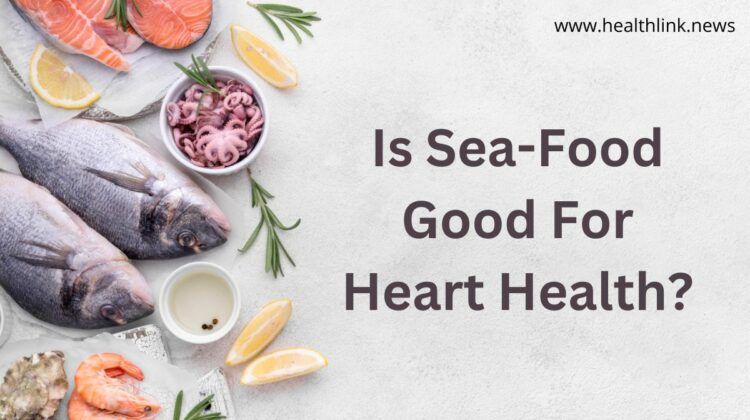
Seafood is one of the most consumed foods all over the world. Seafood can be obtained from different environments including, rivers, lakes, oceans, lakes, etc. Most of you can consume it as a part of your diet because it is a rich source of many nutrients. Seafood has less cholesterol and saturated fat than fatty meat which contributes to a healthful diet. Having seafood in your diet contributes to many health benefits. Due to the presence of one of the important contents is omega-3 fatty acids, which provide you with the ability to improve your heart health, brain health, etc. Moreover, eating the right choice of seafood is also important as some of the seafood does not provide you with healthy nutrients. Therefore, you need to obtain healthy dietary fish choices and also limit the amount of it according to your age.
Seafood and its types
Seafood is a good source of protein and provides you with vitamins and minerals. Also, it does not contain saturated fats, unlike fatty meat products which are high in saturated fats. Seafood contains unsaturated fats known as omega-3 fatty acids which are good for your heart health and can reduce the risk of heart disease and stroke. If you eat seafood regularly it may give you many health benefits including, a lower risk of heart disease, lower blood pressure, etc. If you are worried about your health, you need to eat at least two servings of seafood a week.
Types of seafood:
You can include the following types of seafood in your diet which includes;
- Fish; salmon, tuna
- Crustaceans; lobster and shrimp
- Mollusks; clams and oysters
- Echinoderms; sea urchins
Nutritional value;
Nutritional value can change depending upon the type of seafood you eat but if you take 154 grams of salmon, it contains; [1]
- Calories: 280
- Fat: 12.5 grams
- Sodium: 86 mg
- Carbs: 0 gram
- Fiber: 0 gram
- Sugars: 0 gram
- Protein: 39.2 grams
Ideal servings of fish
For adults – you need to eat at least 8 ounces or two servings of omega-3-rich fish per week.
If you are pregnant and breastfeeding – you need to limit the amount of fish you eat, it should be not more than 12 ounces (340 grams) of fish in total per week and if you take the albacore tuna fish the serving should not be more than 4 ounces (113 grams) per week.
For children – if your children are younger than age 2, the size of the serving needs to be 1 ounce per week and it may increase with their age. [2]
Are all fish good for your health?
Not all fish contribute to your good health. Some fish are not healthy due to the contents present in them. Let’s see what are the best and worst fish for your health.
Best ones:
Fish are high in omega-3 fatty acids; omega-3 fatty acids help in reducing the conditions like strokes and Alzheimer’s disease. These fish includes; salmon, herring, anchovies, sardines, and trout.
Lean fish; these fish have fewer calories than fatty ones and lots of protein. These fish includes; tilapia, cod, flounder, and sole, which have fewer than 120 calories in a 3-ounce serving and also provide you with plenty of protein.
Shrimp; shrimp and prawns are good sources of protein and they are low in mercury and calories. But the main thing you need to consider is that they are higher in cholesterol than other fish.
Worst ones:
Fish are high in mercury; if you have too much mercury in your diet, it may affect your brain and cause nerve damage in adults. It can also affect the development of babies and young children. Therefore, you need to avoid fish that are high in mercury that includes; swordfish, marlin, shark, and tilefish.
King mackerel; mackerel is a fish that is rich in omega-3 but king mackerel are not good for your health because they are high in mercury. And it is not good for children and women who are pregnant or breastfeeding.
Why are omega-3 fatty acids good for your heart?
Omega-3 fatty acids are a type of unsaturated fat that helps in reducing inflammation throughout the body. Because inflammation can damage your blood vessels which cause heart disease and stroke. Moreover, by adding seafood rich in omega-3 fatty acids, you can improve your heart health. Therefore, you need to include omega-3 fatty acids in your diet because it;
- Decreases triglycerides (fat found in your blood).
- Slightly lowers your blood pressure.
- Reduces blood clotting.
- Decreases the risk of heart strokes and failures.
- Reduces irregular heartbeats.
Health benefits of eating seafood
Fish is one of the most nutritious seafood and it is loaded with important nutrients such as protein and vitamin D, which gives you many health benefits including;
High in important nutrients – if you are lacking in nutrients you can prefer to take fish as a healthy meal. Because it contains a high amount of protein and iodine with various vitamins and minerals. Fish is considered a fatty animal that works as healthy food and these fatty fish includes; salmon, trout, sardines, and tuna. Fish are also rich in omega-3 fatty acids which help in overall body and brain functioning and lead to reducing the risk of many diseases. However, if you are a vegan, try to take omega-3 supplements made from microalgae.
Lower the risk of heart attacks and strokes – fish is low in sodium and high in potassium which helps in maintaining your optimal blood pressure. As high blood pressure is one of the major causes of heart attacks and strokes. If you eat one or two servings of fish a week you have a 15% lower chance of having heart disease. It is also believed that due to the presence of omega-3 fatty acids, your heart becomes more healthy and leading to a lower risk of heart attacks and strokes. [3]
Improves brain health – as you get older your memory gets declined and you may get Alzheimer’s disease which is linked to lost memory. This also comes under your mental decline, and mild mental decline is normal. However, it can be improved and under control by having fish in your diet. Because eating fish helps in the proper functioning of your brain tissues that controls your memory and emotions.
Helps in preventing and treating depression – depression is one such mental condition in which you have a low mood, sadness, decreased energy, and loss of interest in life and activities. Some studies show that having fish regularly leads you to be less depressed. Because omega-3 fatty may fight depression and also increases the effectiveness of antidepressant medications.
Reduce the risk of autoimmune diseases – type 1 diabetes is one of the autoimmune diseases. It occurs when your immune system attacks and destroys the cell present in the pancreas. And some studies show that omega-3 helps in reducing the risk of type 1 diabetes, especially in children with other forms of autoimmune diabetes in adults.
Note- you need to consider one thing for getting health benefits from eating fish; the method of how the fish is cooked. For instance, grilling, broiling, or baking fish contributes to a healthy option rather than deep-frying.
Tips on how to include seafood in your diet
Here are some ways to include more seafood in your diet:
- Try adding it as a salad topping, layering it in a sandwich, or you can also make tacos from it. So that you can add more protein, nutrients, and flavor.
- You can also buy canned or frozen seafood like salmon, tuna, or sardines which helps in preventing food waste and saving money.
- Also, don’t forget to add shellfish like oysters, mussels, and clams, as they are also high in protein and low in calories.
- Another way is to use sheet pan meals, which is an easy way to save time in the preparation of food and you can cook all the food at once. You can add fish with some veggies like asparagus, to get a nutritious meal.
What if you are vegan? Are there any alternatives?
Eating fish gives you many health benefits, especially your heart health. The presence of omega-3 contributes to your healthy heart. That is why it is important to have omega-3 in your diet. If you are vegan or don’t want to eat fish, you may consider these foods which are a good source of omega-3 that includes; flaxseeds and flaxseed oil, walnuts, canola oil, soybeans, chia seeds, green leafy vegetables, cereals, dairy, and other food products. However, adding these to your diet does not seem to give as many health benefits as fish but it may give you some.
Conclusion:
In conclusion, we can say that seafood is one of the most nutritious foods. And contributes to many health benefits including; help in heart-related conditions, like heart strokes and heart attacks. Also, make sure to eat the right choice of seafood as some are not healthy due to the presence of some harmful contents in them. Therefore, you need to eat the right ones to get a healthy diet meal.