Medically reviewed by Mrs Farhat Khan
Calories in 1 Samosa, Nutrition, and Health Benefits
On this page
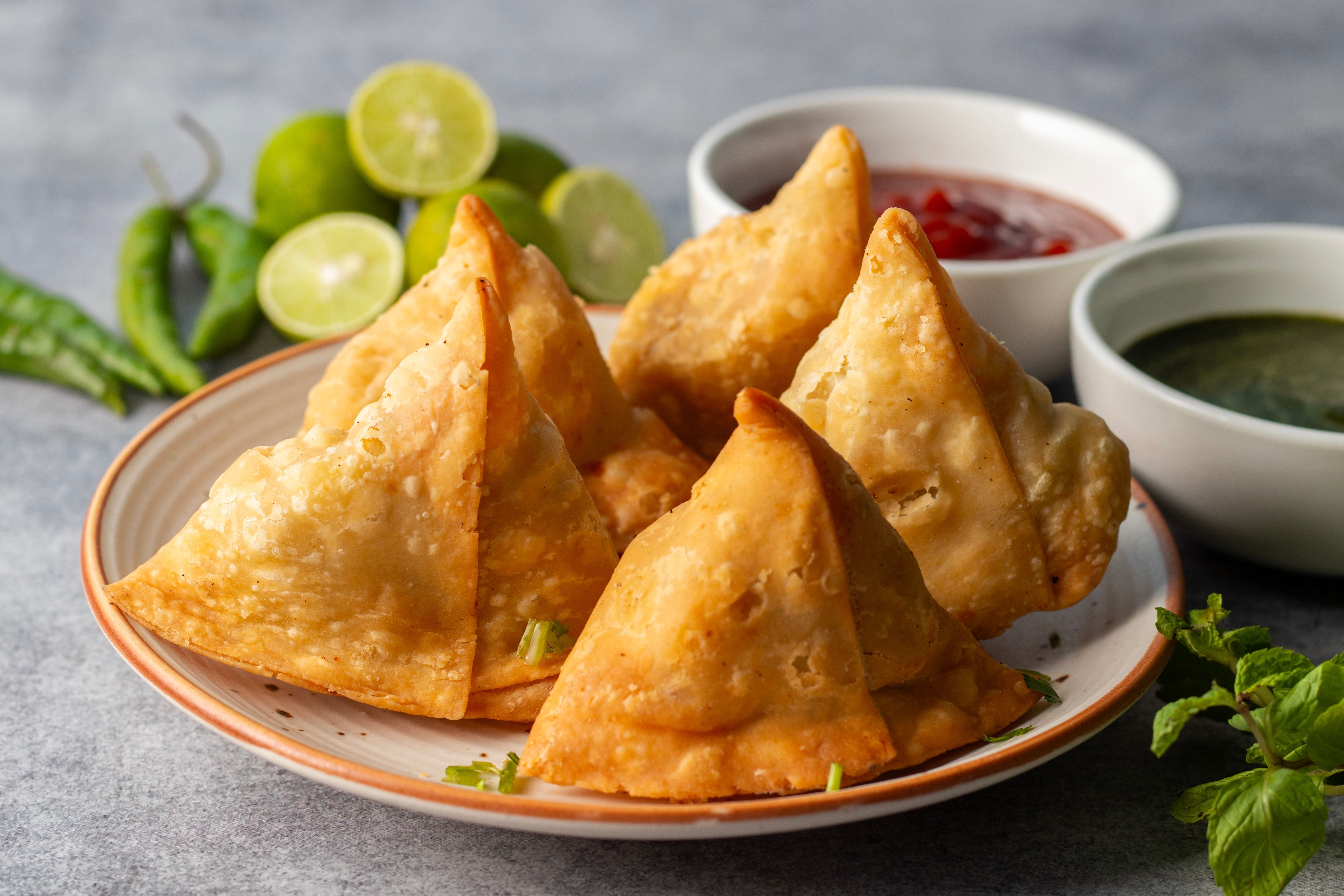
If you are from an Indian family, it is already implied that you may have devoured the crunchy triangular delights of samosas at least once in your life. But have you ever wondered whether having a samosa is good for your health at all? If you are someone who loves having samosas, it is important for you to note whether you must consume samosas at all, and even if you do, in what amounts.
Having samosas quite often can be challenging for your health. So, it is important for you to understand the nutrients and calories that are present in samosas, so that you can be mindful of the amount of samosas that you take in. This article will give you a detailed account of some of the major components that are found in samosas, the number of samosas that is good for your health, and other necessary details regarding the health benefits of samosas.
Amounts of calories present in Samosas:
Samosas are generally rich in high amounts of calories. This is because they are often made of maida and they are deep fried in oil, especially vegetable oil - both are high in calorie content. Though it is a food item that is enjoyed all over India, especially due to its extra crunchy outer crust and the delicious stuffing inside, it can be high in calories and may not be beneficial for those who have different types of health issues, especially obesity, heart-related disorders, and so on.
On average, there are almost 217 kcal of calories in a samosa, a major part of which comes from the oil that is used to prepare it. So, if you have almost 2 samosas on one day, you might be taking in approximately 616 calories.
In fact, the calorie content in samosas can differ based on the way they are made, the amount of oil added, the size of each serving of samosa, and so on. For instance, a small-sized, homemade samosa of around 30 grams can contain around 130 kcal, whereas the calorie content in a 40-gram medium-sized samosa can be somewhere around 174 kcal. The calorie count can spike up to almost 217 kcal if the size of the samosa increases to 50 grams, which is a large-sized samosa. The calorie content will also depend on the amounts of potatoes and spices that are added to the stuffing of the samosa.
Other nutritional components found in Samosas:
Samosas usually contain 35-45 per cent of calories, mainly from deep-frying oil absorption. Apart from being rich in calories, samosas also consist of other nutritional components. This is because samosas are made of potatoes, basic spices, and maida or wheat flour, which can add some amounts of nutrients. For instance, some of the most commonly occurring nutrients in samosas include carbohydrates, fibre, protein, fats, and sodium. Nutrient-wise, the calorie distribution in samosas is nearly 60 per cent fat, 5 per cent protein, and 35 per cent carbohydrates. Here is a list of these nutrients in approximate amounts as found in a 50-gram or a large-sized samosa:
Nutrient Amount
Carbohydrates 18.8g
Protein 2.8g
Fat 14.5g
Sodium 101.9mg
It is important to note here that the values of these nutrients will change based on the size of the samosa and the components used while making it.
How healthy can samosas be?
Samosas, though delicious in taste, must be consumed in limited amounts. This is because this food item is rich in high amounts of calories that may not only increase your overall body weight, but can also lead to diseases like obesity if consumed in increased quantities. The excess amounts of oil that are used for making samosas can be detrimental to the health of people who are already suffering from different types of cardiac problems. This happens because excessive consumption of fried or processed foods can increase the levels of LDL or bad cholesterol, which is responsible for increasing the risks of developing various types of cardiac diseases, such as heart attack, heart failure, cardiac arrest, and so on.
Consumption of samosas may not be healthy for those who suffer from diabetic conditions as well. This is because high intake of calories through samosas can worsen the high blood glucose levels and can therefore further deteriorate the conditions of diabetes mellitus or type 2 diabetes.
Should you have samosas in limited amounts?
It is always preferable to consume samosas occasionally and in limited quantities - the only reason being the high amounts of calories in samosas, the malefic effects of the food being deep fried in vegetable oil, and the lack of enough nutrients in them. In fact, samosas do not belong to a palette of healthy diet. The reasons why you must lower the consumption of samosas in your diet can be listed below:
1. Samosas are rich in fat content:
Samosas are usually deep-fried in hot vegetable or sunflower oil, which makes them high in fat content. Moreover, the way in which samosas are prepared will not only increase the chances of inflammation in the body but can also suppress the fat-burning process in the body. The Saturated fats comprise roughly 30-40% of the total fat content in samosas. The high proportions of fats that are present in samosas may be stored inside the body. This can result in obesity and unhealthy body weight, which can worsen your health conditions.
2. Samosas contain high carbs:
Apart from being rich in calorie content, there is also a high amount of carbohydrate that is present in samosas; they are also filled with high amounts of carbohydrates. Having such carb-rich foods can worsen diabetic conditions and can result in spikes in blood glucose levels. In fact, consuming such high amounts of carbohydrates through samosas may give you some energy, but can also affect the health of your heart, brain, and kidneys, especially when consumed in excessive quantities.
3. Protein content in samosas:
This is the nutrient that is available in the least quantity in samosas. You are likely to get protein in minimal amounts while having a samosa, especially when you are consuming a samosa with a filling of chickpeas or soya bean inside it. On average, each piece of samosa may contain 3 to 6 grams of protein. The amount of protein may increase if you add meat to the filling.
Which doctor to consult before having samosas?
Before you start having samosas, it is crucial to know which type of doctor you must consult, who can advise you regarding the consumption of samosas. It is highly advisable for you to talk to a dietitian if you are not sure whether you should have samosas or not. A dietitian is experienced enough to tell you if you need to add samosas to your diet, based on the net number of calories that you can have and in what quantities you can have the samosas.
You may also consult a gastroenterologist because such experts may also tell you whether you need to have bananas at all in your diet based on your digestive health and the risks of indigestion that you may develop after having samosas.
Final Thoughts:
Samosa is quite a famous and commonly consumed dish in India. Many Indians enjoy this food item, but there are some major negative points regarding the consumption of samosas. This is because consumption of samosas, in more than recommended amounts, can result in high levels of cholesterol along with risks of heart diseases, type 2 diabetes, and many other types of health issues. Though there are fats, proteins, minerals like sodium, and carbohydrates that are present in samosas, it is important to consume them responsibly and within limits to curb calorie consumption.
Also Check: Calories In Aloo Ki Sabzi
Also Check : Calories in Poha – Benefits, Nutritional Information
Also Check: Calories in 1 Roti: Nutrients, Health Benefits, And Many More
Also Check: Calories in Banana: Health Benefits and Nutrients
Reviewer

Mrs Farhat Khan
Dietician
I have a work experience of 7 years. I like to write blogs on health topics, some of my blogs on google are Omega 3 for muscle building, Active rest , Resting heart rate. I have a work experience of 3 years as a clinical & consulting dietician in Gynaecologist hospital & 4 years as a health coach on the Goqii health application.
View profileAuthor

Bidiptaa Sen
MA in Mass Media and Communication, Jadavpur University With 3.5+ years of experience in writing marketing and SEO content on healthcare and wellness, I write articles that help people to get an idea regarding medicines that are prescribed, how to improve their wellness care and educate people how to choose accurate health facilities. My communication skills, depth of knowledge in media management and strategic methods for better social media engagement and improving readers' experience through extensive research on the healthcare scenario.
View profile