Calories in Jowar roti - Benefits, Nutrition Information
On this page
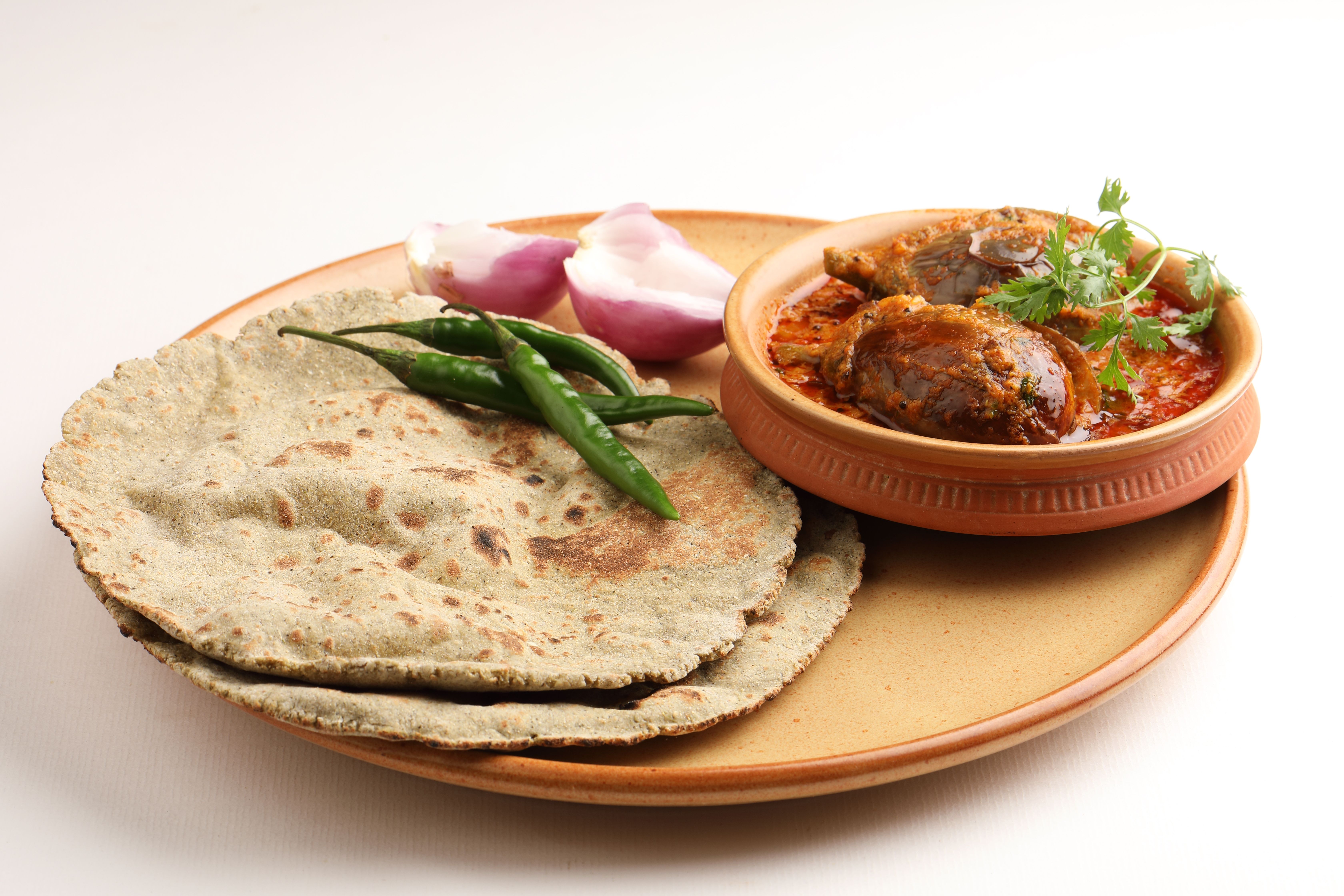
Among the various types of rotis that Indians consume, jowar is another variation. Rotis made of jowar are not only popular in the Northern and Western parts of India, but it is also rich in some of the major nutritional components that are required in your body. This article will help you to get a detailed account of the calorie content in jowar rotis, the nutrients that are present in them, the health benefits that you can derive from them, and other necessary details.
Calorie content in rotis made of jowar:
The net number of calories that are present in each roti made of jowar will differ, based on several types of factors such as the way in which the rotis are made, the amount of ghee or oil used while making the rotis, the size of each chapati, and so on. On average, one medium-sized roti made of jowar, which weighs around 40 to 45 grams, may consist of around 120 to 130 calories. Most of these calories are derived from carbohydrates and other types of macronutrients.
Nutritional profile of rotis made of jowar:
Rotis that are made of jowar are often rich in nutritional components. Some of the major nutrients that are found in jowar rotis may be listed here as follows:
1. Dietary fibre and carbohydrates: Rotis that are made of jowar flour are rich in dietary fibre and macro-nutrients such as complex carbohydrates that help to provide energy and aid in the regulation of bowel movement through the gastrointestinal tract.
2. Protein: Rotis made of jowar can also consist of some amounts of protein, which helps in overall muscle growth and repair.
3. Vitamins: Rotis made of jowar consist of some of the major vitamins, especially vitamins B1, B3, and B6, which can help to improve your metabolism and keep your healthy.
4. Minerals: Jowar rotis are also some of the major sources of vital micro-nutrients, mostly minerals that are required for the healthy functioning of your body, such as iron that helps to take good care of your red blood cells by preventing the risks of anemia and improves hemoglobin, potassium for regulating your blood pressure and fluid balance, phosphorus for better teeth and bone health, magnesium for better nerve function, muscle relaxation, and so on.
Health benefits of jowar rotis:
Since jowar consists of all the essential nutrients that are required in the body, rotis made of jowar flour are likely to provide certain health benefits. Some of them can be listed below:
1. Jowar rotis can improve digestion:
Rotis made of jowar are rich in fibre content, and this can help to improve the movement of the bowels through the GI tract. In fact, complex carbohydrates and rich dietary fibre in rotis made of jowar can improve your digestive system by preventing the risks of developing diseases like constipation.
2. Jowar rotis are gluten-free:
Many people these days are known to prefer gluten-free foods. Rotis made of jowar can be one such option. This is, in fact, quite a healthy choice for those who have gluten sensitivity and prefer to have gluten-free foods, especially when people have conditions like celiac disease. The nutrients in jowar rotis can help to prevent inflammation that develops from gluten intolerance.
3. Rotis made of jowar are heart-friendly:
The nutrients that are present in the rotis made of jowar can help to reduce the risks of bad or LDL cholesterol and can therefore help to keep your heart healthy. Moreover, components like fibre, potassium, and antioxidants in jowar rotis can help to keep your heart healthy.
Which doctor to consult before consuming rotis made of jowar?
Before you start consuming jowar rotis, it is important to know whether you should have them in your diet at all. For this, you need to consult a registered dietitian or a nutrition expert who will be able to tell you how many chapatis made of jowar flour you can have each day based on your calorie requirements, how you can make the rotis, and other details.
Final Thoughts:
Rotis made of jowar will always remain one of the most commonly consumed bread options in many Indian households. These rotis are not only gluten-free, but are also rich in fibre, protein, carbohydrates, vitamins, minerals, and antioxidants that can help to provide enough health benefits to the body, such as improving your heart and digestive health, supporting weight loss, and so on.
Authors

Bidiptaa Sen
MA in Mass Media and Communication, Jadavpur University With 3.5+ years of experience in writing marketing and SEO content on healthcare and wellness, I write articles that help people to get an idea regarding medicines that are prescribed, how to improve their wellness care and educate people how to choose accurate health facilities. My communication skills, depth of knowledge in media management and strategic methods for better social media engagement and improving readers' experience through extensive research on the healthcare scenario.
View profile
Surbhi Singhal
Surbhi is dedicated and self-motivated Ph.D. scholar passionate about Content Creation, Editing, and Teaching. I excel in dynamic environments, thrive on challenges, and am eager to contribute my expertise and enthusiasm in pushing the boundaries of knowledge.
View profile