What Level of Alkaline Phosphatase is Dangerous 2026?
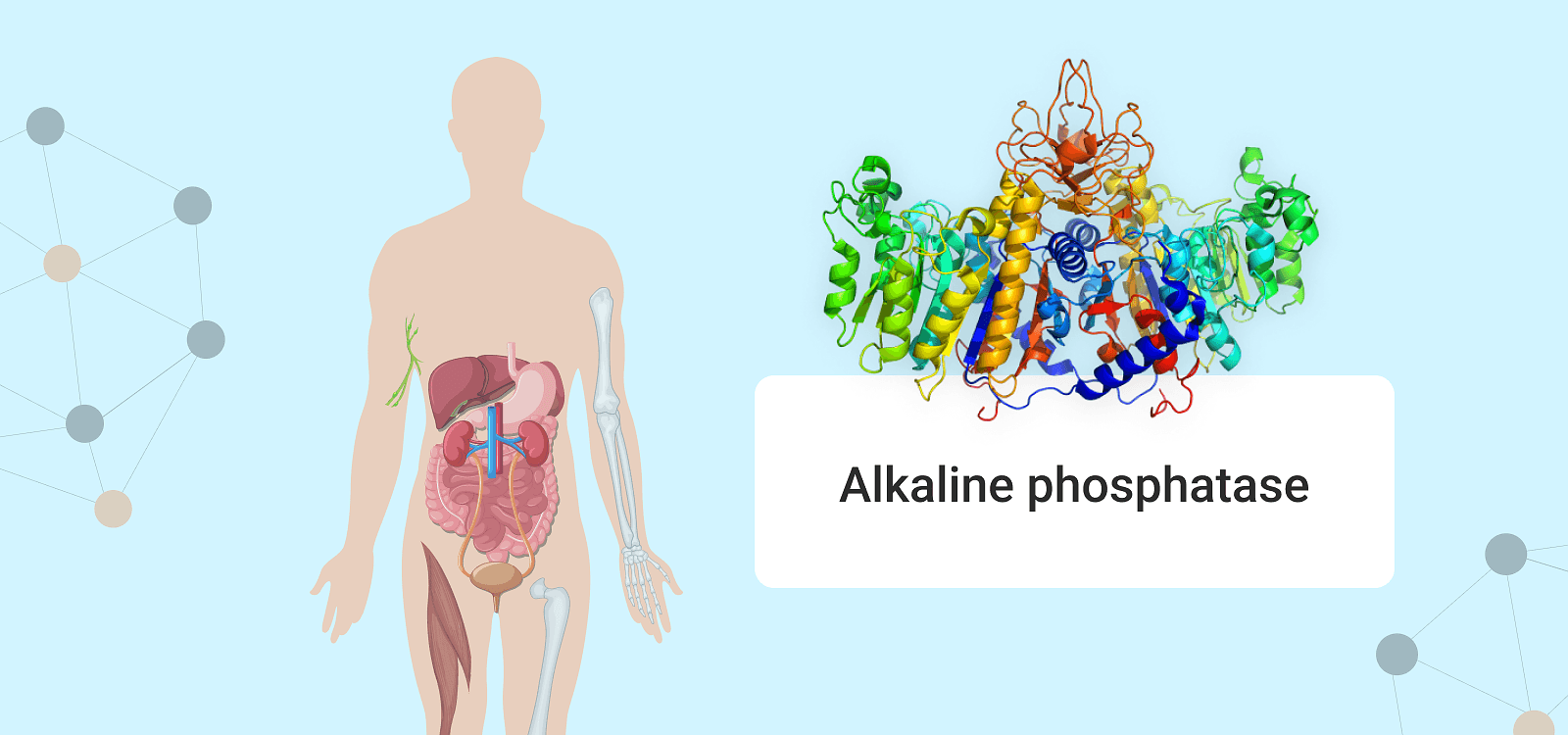
Alkaline Phosphatase (ALP) is an important enzyme found mainly in the liver, bones, bile ducts, and intestines. It plays a key role in various physiological processes by acting as a catalyst that supports metabolism and digestion. ALP levels are measured through blood tests. When the ALP level is higher than normal, it may indicate liver disease, bile duct obstruction, bone disorders, or inflammation. In such cases, healthcare professionals often recommend dietary and lifestyle changes to support liver health and help normalize enzyme levels.
Certain foods may worsen liver stress or inflammation and should be limited or avoided when ALP levels are high.
Foods to Cut Off or Limit from Your Diet if You Have High ALP
Below is a list of food items that may negatively affect ALP levels, especially if the underlying cause is related to liver health.
1. Alcohol
Alcohol consumption has significant negative effects on liver health. When ALP levels are already high, drinking alcohol can:
Increase liver inflammation
Worsen liver damage
Further elevate ALP and other liver enzymes
Recommendation:
Alcohol should be completely avoided if you have high ALP levels unless your doctor advises otherwise.
2. Smoking Cigarettes
Smoking does not directly increase ALP, but it can:
Impair liver detoxification
Increase oxidative stress
Delay recovery from liver-related conditions
Recommendation:
Quitting smoking is strongly advised to protect liver function and overall health.
3. Fatty and Fried Foods
Foods high in unhealthy fats place extra stress on the liver. Healthcare professionals often recommend limiting foods prepared with excessive oils.
Avoid or limit:
Deep-fried foods
Fast foods
Packaged snacks
Ready-to-eat meals
Excessive consumption of fried foods may contribute to fatty liver disease and increased enzyme production, which can negatively affect ALP levels.
4. Foods High in Fructose and Corn Syrup
Foods containing high amounts of fructose or corn syrup can increase the risk of non-alcoholic fatty liver disease (NAFLD), which may raise ALP levels over time.
Avoid or limit:
Foods with high-fructose corn syrup
Sugary syrups
Excess cane sugar
5. Foods and Beverages with Added Sugar
High intake of sugar can lead to metabolic disturbances, weight gain, and liver stress.
Avoid or limit:
Pastries and donuts
Candies and desserts
Sweetened beverages
Packaged fruit juices with added sugar
These foods can worsen liver health and contribute to elevated ALP levels.
6. Processed and Junk Foods
Processed and junk foods often contain high levels of trans fats, preservatives, refined carbohydrates, and sodium, which may increase inflammation and impair liver function.
Recommendation:
Reduce or eliminate processed and packaged foods and focus on fresh, home-cooked meals.
7. Foods High in Zinc – Consume in Moderation
Zinc is a structural component of the ALP enzyme. However, normal dietary zinc intake does not usually cause harmful ALP elevation.
Foods containing zinc include:
Milk and yogurt
Cashews
Oysters
Beef
Poultry
Pork
Beans
Important note:
Zinc-rich foods should not be completely avoided unless advised by a healthcare professional. Excess supplementation, however, should be avoided without medical supervision.
8. High-Protein Foods – Avoid Excess, Not Protein Itself
Protein is essential for tissue repair and liver health. However, excessive intake of protein supplements or very high-protein diets may stress the liver in certain conditions.
Foods rich in protein include:
Eggs
Chicken and turkey
Fish (such as salmon)
Lentils and nuts
Dairy products
Recommendation:
Maintain a balanced protein intake and avoid unnecessary protein supplements unless prescribed by a doctor.
Conclusion
Alkaline Phosphatase is an essential enzyme, but maintaining its levels within a healthy range is crucial for proper body functioning. If blood tests show elevated ALP levels, lifestyle and dietary modifications can support liver health and recovery.
Avoiding alcohol, smoking, excessive sugar, fried foods, and processed foods is strongly recommended. Nutrients such as zinc and protein should be consumed in moderation rather than eliminated entirely. Always consult a qualified healthcare professional to identify the underlying cause of high ALP and receive personalized dietary advice.
Authors

Bidiptaa Sen
MA in Mass Media and Communication, Jadavpur University With 3.5+ years of experience in writing marketing and SEO content on healthcare and wellness, I write articles that help people to get an idea regarding medicines that are prescribed, how to improve their wellness care and educate people how to choose accurate health facilities. My communication skills, depth of knowledge in media management and strategic methods for better social media engagement and improving readers' experience through extensive research on the healthcare scenario.
View profile
Surbhi Singhal
Surbhi is dedicated and self-motivated Ph.D. scholar passionate about Content Creation, Editing, and Teaching. I excel in dynamic environments, thrive on challenges, and am eager to contribute my expertise and enthusiasm in pushing the boundaries of knowledge.
View profile