The Difference Between Old and Young People’s Diets
On this page
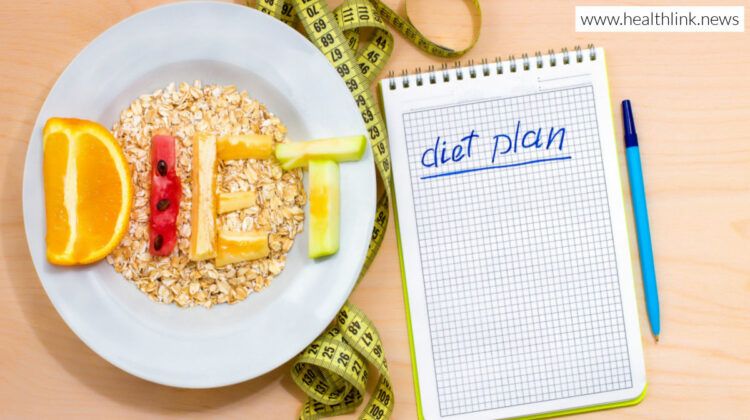
A proper, balanced diet is always necessary to live a happy, fit, and healthy life. Those who have a balanced diet, consisting of all the essential nutrients such as vitamins, minerals, fiber, antioxidants, roughage, and so on, can maintain proper functioning of their overall body and thus they can effectively build up a strong immune system that will help them to fight against the occurrence of any harmful diseases.
The diet differs from one age to the other. The diet that a one-year-old has is completely different than a 40 year or 60-year-old person. Thus, it is quite clear that the regular diet of a person changes according to age. When a person ages, he or she needs to add some extra nutrients to their daily diet, so that they can provide better care to those health problems that they are developing with advancing age. So, here are some of the lists of suggestions that should be considered while you are determining the diet plan for an aged person.
1. Include Colored Fruits And Vegetables:
We know that the diet of an aged individual will always be different compared to a younger one. So, besides green leafy vegetables, it is quite important to add fruits and vegetables in the diet of an aged person that is mostly dark colored such as fruits like apples, berries such as cranberries, blueberries, raspberries, peaches, oranges, and vegetables like eggplant, tomatoes, carrots, and so on. These fruits and vegetables should be included in the diet of an aged person because these food sources are rich sources of high-quality vitamins and antioxidants. The presence of antioxidants is quite crucial for aged people to prevent chances of oxidative stress and vitamins help to keep them healthy. Apart from these, the diet should include dark, green vegetables too such as kale, spinach, and other healthy food substances such as oats, muesli, whole grains, and quinoa so that the aged person gets the right amount of fiber and thus can remain regular.
2. Milk And Dairy Products:
Milk is an incredible source of all the necessary nutrients that one can get all together. Milk is a rich source of protein, and on the other hand provides a lot of other nutrients such as essential vitamins such as vitamin D, and minerals such as calcium that is extremely crucial for people who are in their old age to keep their bones and muscles healthy and prevent fragileness of bone joints. So, doctors say that it is important for aged people to consume milk and dairy products such as curd, cheese, ghee, butter, yogurt, and so on. For aged people, it is advised to have fat-free milk.
3. Add Whole Grains For Fiber:
Whole grains should be importantly added to the diet of aged individuals. This is because as a person’s age increases, there are chances that the person might suffer from digestive disorders such as constipation. Foods that are rich in fiber help in improving the movement of the bowel through the gastrointestinal tract of aged people and thus can help them to stay regular and avoid the chances of occurrence of disorders like constipation. Thus, the regular diet of aged people should include food sources that are high in fiber content such as wheat, rice, whole grains, oats and oatmeal, maize, ragi, barley, and other food sources that contain high fiber, including fruits and green leafy vegetables.
4. Foods Rich In Protein:
The diet of an aged individual, though mostly different compared to a young one, should contain one thing in common, that is rich sources of protein. Protein should be present in high proportions in the diet of an aged person because as the age of a person increases, there are chances that the person becomes weaker, and that is when protein is essential to maintain all the physiological functions properly, such hormone synthesis, that reduces with age. So, a protein-rich diet for an aged individual must include milk, one of the richest sources of protein, and other dairy products such as cheese, curd, yogurt, paneer, ghee, and so on. Besides these, there are other sources of animal proteins such as fish, and fatty fish that are rich in omega- 3 fatty acids such as salmon, trout, tuna, and meat such as chicken, poultry meat, and mutton-ham, beef, and turkey.
Though red meat should be consumed in limited proportions by aged people, mostly for those who have cardiac issues or other health diseases such as diabetes mellitus, high blood pressure levels, and so on. This is because, high consumption of red meat in your regular diet can highly increase the chances of occurrence of cardiac diseases such as heart stroke, cardiac arrest, or heart failure and can harmfully increase the levels of LDL (Low-Density Lipoprotein) or ‘bad’ cholesterol, which can further damage your heart. Thus, before you start consuming these protein-rich meats, do consult first with your concerned health care expert.
A Diet Rich In Protein And Low In Calories For Aged People:
Protein is such a component that is required to carry out all the crucial functions of the body, such as hormone synthesis, forming the different physiological functions, and so on. With advancing age, a person might lack protein content in the body and thus the essential physiological functions in his or her body might get disrupted.
This is the reason; it is important to consume proper quantities of protein each day to keep all these essential functions undisturbed even in old age. An adequate amount of protein can be consumed by adding different protein-rich food substances to the diet such as plant-based protein components like soybeans, kidney beans, fruits, vegetables, and animal-based products such as milk and other dairy products, different types of fish, egg, meat, and so on or through health supplements that are rich in protein. But these protein components should only be consumed if only they are advised by your health care expert.
Besides the consumption of food substances that are high in protein content, aged individuals are always advised to consume a diet that is significantly low in calories. Excessive consumption of high-calorie foods, especially in old age can lead to calorie surplus in the body, causing diseases like obesity, high blood pressure, increase in the risk of cardiac disorders such as heart attack, heart stroke, heart failure, cardiac arrest, and many other cardiovascular diseases, chances of high blood sugar or type 2 diabetes, and so on. When there is a surplus of calories in your diet, there is a chance that the excess calories get deposited in the form of fats in different parts of your body, such as the stomach and the parts of your abdomen, thighs, arms, and armpits, and so on.
Those who are on a high-protein and low-calorie diet are in a lower chance of developing adverse health conditions, particularly during their old age.
Difference In Nutritional Intake Of Older And Younger Individuals:
Both older adults and young children indeed require a proper and balanced diet that should be full of nutrients. Though the food sources differ from one age to the other, both ages should have nutritional components that are beneficial to their health. This is because children and the younger generation are at their stages of growth and rapid development, whereas the older ones are gradually approaching their end years and thus their bodies are becoming weak, for which they require plenty of health-beneficial nutrients that are to be included in their daily diet. But for older people, we should be much more conscious when it comes to the matter of choosing the food components of their daily diet because aged people should consume a diet that should consist of higher amounts of nutrients such as proteins, vitamins, minerals, fibers, and antioxidants, and little quantities of calories. Moreover, high-calorie food may be allowed in limited quantities for younger ones, but aged people must always keep in mind that consumption of foods that are high in calories should be absolutely denied, which otherwise can lead to adverse health effects.
Aged people are always advised to include plenty of fruits, vegetables, and foods that are rich in protein and fiber in their daily diet. If they wish to consume health supplements then it should be first discussed with the concerned health care expert. Apart from these, they should consume homemade meals and avoid the consumption of junk foods, packaged or highly processed foods, and overcooked or raw foods. Healthy eating, proper exercise and workouts, and regular health check-ups are the ultimate requirements of good health at your late age.