Phosphorus: What is the Right Foods and Dose For You?
On this page
- Is Phosphorus Essential?
- Maintains muscle, bones, and Nerve Health
- Maintains growth and development of Cell and Tissue
- These Foods Are High in Phosphorus:
- Foods High in Phosphorus
- 1. Seafood
- 2. Dairy
- 3. Lentils
- 4. Poultry
- 5. Peas
- Health Adversities of Too Much Phosphorus:
- Health Adversities of Too Low Phosphorus:
- What Is the Right Dose Of Phosphorus For Your Health?
- How To Maintain the Proper Levels of Phosphorus In Your Body?
- Impact Of High Phosphorus Containing Foods in Your Body:
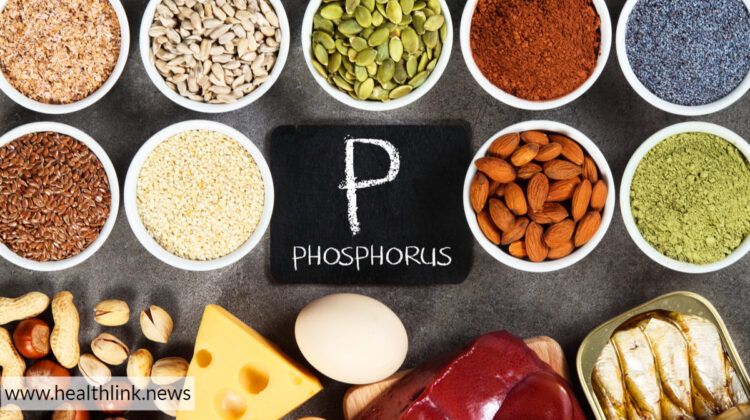
“Phosphorus” is a Greek word derived from phosphorous which means “bringer of light.” In health science or in the context of medicinal applications, it is called phosphate, a compound that is popularly found in food and medicinal supplements. Phosphorus is the second most widely available mineral in your body after calcium. Phosphorus helps in various functions of your body like repairing and healing damaged tissue and cells and purifying your body by excreting waste products. So, it is highly essential for you to obtain the right amount of phosphorus through your regular diet for proper body functioning and for building up strong immunity. People are commonly found with higher levels of phosphorus in their bodies than too little. Certain disorders in your body such as diabetes and alcoholism or medications certain classes of antacids can significantly lower the levels of phosphorus in your body even below the optimum limit. Abnormal levels of phosphorus contents in your body (either too much or too little) can lead to several health disorders, like chances of developing heart disease like cardiac arrest, stroke, joint pain, or fatigue. Phosphorus is essential for you because you need to:
- Have a strong and healthy physique- with healthy bones, joints, and muscles
- Boost up your energy levels
- Keep proper muscular movements.
Along with these, phosphorus also helps to:
- Maintain your dental health
- Lowers your overall stress and spikes up energy
- Maintains smooth movement of muscle and lowers muscle pain
- Purifies body by removing out waste from your kidneys
- Repairs damage and nurture growth and development of body tissues and cells
- produce the genetic components of your body- DNA and RNA
- maintains proper balance of essential nutrients like vitamins B and D, and other minerals like iodine, magnesium, and zinc
- reduces palpitation and regulates normal heart rate
- facilitate nerve conduction
Is Phosphorus Essential?
Phosphorus is the second most essential component in your body, and it is important to maintain the optimum levels of phosphorus in your body in order to support a proper health condition. Phosphorus is a key component of various food substances, so you can easily replenish your phosphorus deficiencies if you start consuming such foods in your diet. Experts suggest that it is essential for you to maintain the proper levels of phosphorus in your body for a healthy mechanism of the body. For teens and young adults, the average daily dose of phosphorus intake has been marked to 1,250 milligrams and for adults and older people is about 700 milligrams.
Optimum levels of phosphorus in your body help to carry out the following functions smoothly:
Maintains muscle, bones, and Nerve Health
Phosphorus is highly important for your bones, teeth, muscles, tendons, joints, cartilage, and connective tissues to function effectively. Phosphorus is a vital element that helps to strengthen bones and repair damages in joints, teeth, regulates the proper functioning of your nerves and cells and helps in muscle contraction, relaxation, and prevents muscular spasms.
Maintains growth and development of Cell and Tissue
Phosphorus is an important element that maintains the healthy growth and development of all the cells and tissues in your body. In fact, phosphorus is a crucial component in many of the body cells, mainly found in nucleic acid and cell membranes. Besides maintaining cell health, phosphorus is also known to promote the most vital genetic components of your body- DNA and RNA and manages the energy levels in your body.
Regulates Overall Blood profile:
Hemoglobin is an important component of the blood that provides the manufacturing of oxygen. It carries oxygen from the lungs to the blood, and in this case, comes the role of phosphorus along with iron. The phosphorus-containing molecule called 2, 3-diphosphoglycerate supports iron to help your hemoglobin to carry oxygen to your red blood cells (RBC).
These Foods Are High in Phosphorus:
Phosphorus is a widely available mineral in most protein-based foods and in some fruits and vegetables. The following are recommended by experts as excellent sources of phosphorus:
- meat and poultry
- fish
- eggs
- milk and other dairy products
You can easily add correct levels of phosphorus in your diet if you are consuming adequate amounts of calcium and protein rich foods like meat, fish, eggs, turkey, and several dairy products like milk, curd, yoghurt and so on. Studies have revealed that those foods that are rich in protein and calcium are found to provide you with high amounts of phosphorus in your diet. Apart from protein rich foods, some non- protein foods are also known to provide you with phosphorus. These are as follows:
- whole grains
- dried fruit
- potatoes
- garlic
- carbonated drinks like soda (carbonation in soda water is formed by acids of phosphorus)
In fact, bread and cereals like oat meals and other whole grains are richer in phosphorus than those that are made of white wheat. But the phosphorus levels present in seeds, beans, groundnuts, and so on, are found to become bonded to phytate that is not easily absorbed within your body.
Foods High in Phosphorus
1. Seafood
Seafood like fish, lobsters, shrimp, and so on are rich in high amounts of dietary phosphorus, though the phosphorus content depends on the type of seafood. It has been found that salmon fish store around 315 milligrams of phosphorus minerals per serving, while halibut has about 244 milligrams, and scallops have about 201 milligrams. These are also the powerhouses of essential omega-3 fatty acids that help to regulate proper brain functioning.
2. Dairy
Milk and many related milk products like curd, yogurt, and so on are high sources of essential health nutrients like phosphorus, vitamin D, vitamin A, calcium, and potassium. Milk and yogurt contain an average of 250 milligrams of phosphorus mineral whereas, cheese contains comparatively lesser amounts of phosphorus which is about 197 milligrams per serving.
3. Lentils
Phosphorus is found in rich quantities in various classes of lentils though the body’s absorption rate from lentils is a bit lower. Lentils contain about 356 milligrams of phosphorus per serving on an average of about 180 milligrams per meal, 50% of which mixes your bloodstream and is absorbed by your body. This amount is 26% of your recommended daily intake.
4. Poultry
Protein-rich food like poultry is an excellent source of high-quality, essential dietary phosphorus. Meats like beef, turkey contain around 217 milligrams of phosphorus whereas chicken provides only 180 milligrams. Some experts often advise having other sources of protein like eggs that are also rich in phosphorus. A regular sized whole egg contains about 86 milligrams of phosphorus per serving.
5. Peas
Seeds like lentils, peas, and several kinds of beans and leguminous plant foods are rich sources of dietary phosphorus. Peas contain about 94 milligrams of phosphorus in each serving, but 50% of it is absorbed by your body.
Health Adversities of Too Much Phosphorus:
Besides having so many health benefits, high amounts of phosphorus or other phosphoric compounds like phosphate or phosphoric acid can lead to fatal conditions in your body. Too much phosphorus minerals in your body can cause diarrhea, as well as a hardening of several important organs and soft tissue.
Moreover, excess elemental phosphorus in your body can disrupt your body’s normal functioning and body’s natural capacity to absorb minerals like zinc. A large amount of phosphorus combines with calcium and creates an accumulation of toxin deposits on your muscles. This type of accumulation is primarily found in people with kidney problems or those who have problems related to the proper absorption of calcium in their bodies.
Health Adversities of Too Low Phosphorus:
There are certain classes of medicines that are found to lower the optimum levels of phosphorus in your body. Such groups are listed below:
- insulin
- anticonvulsants
- ACE inhibitors
- antacids
- corticosteroids
Too much reduction in the levels of phosphorus leads to the following:
- joint or bone pain
- irritability or anxiety
- poor bone development in children
- loss of appetite
- fatigue
What Is the Right Dose Of Phosphorus For Your Health?
The recommended dietary allowance (RDA) for phosphorus is listed below:
- adults (ages 19 years and older): 700 mg
- children (ages 9 to 18 years): 1,250 mg
- children (ages 4 to 8 years): 500 mg
- children (ages 1 to 3 years): 460 mg
- infants (ages 7 to 12 months): 275 mg
- infants (ages 0 to 6 months): 100 mg
How To Maintain the Proper Levels of Phosphorus In Your Body?
When you consume processed foods, your blood absorbs some amount of the phosphorus present in it. Your body absorbs only about 20%-50% of the phosphorus from regular foods in your diet like meat and beans.
Foods that contain the following chemical components also provide you with some amounts of phosphorus:
- Calcium phosphate
- Sodium acid pyrophosphate
- Phosphoric acid
Impact Of High Phosphorus Containing Foods in Your Body:
Phosphorus has an excellent purification-related function. So, it allows your kidneys to remove excess toxins and waste from your blood, thus helping to purify your body. So, if your kidneys undergo any malfunction, you will find there is an excess of certain elemental toxins, including phosphorus. Such a condition can also lead to an increase in the amount of calcium in your heart, blood vessels, eyes, and lungs.