What Is Arthroplasty and When Is It Recommended?
Arthroplasty is a surgery used to repair or replace a damaged joint to reduce pain and improve movement. It is commonly done on the hip or knee but can also treat other joints. Damaged joint surfaces are often replaced with artificial parts. This surgery is advised when medicines and therapy no longer help, especially in severe arthritis, to improve daily comfort and mobility.
Purpose & Benefits of Arthroplasty
● Reduces joint pain when other treatments no longer work.
● Improves joint movement and range of motion.
● Helps with walking and daily activities like climbing stairs or standing.
● Improves quality of life by making movement easier and more comfortable.
● Long-lasting results, often 15–25 years or more with proper care.
● Can delay the need for more surgeries by restoring a joint rather than just treating symptoms.
Who May Need Arthroplasty?
● People with severe arthritis that causes pain and stiffness.
● Those whose daily life is limited by joint pain.
● Patients with joint damage from injury or trauma.
● People whose joints are worn out and cannot be helped by medicines or therapy.
● Those with loss of movement or deformity in the joint.
● Patients with failed previous surgeries on the same joint.
Types of Arthroplasty
Total Joint Arthroplasty
This is when the whole joint surface is replaced with an artificial joint (prosthesis). Hip and knee replacements are the most common total joint arthroplasties.
Partial Joint Arthroplasty
Only part of the joint is replaced. For example, in the knee, only the damaged side may be replaced.
Hip Arthroplasty
The hip joint is replaced with a prosthetic socket and ball. This is often done in people with severe hip arthritis or fracture.
Knee Arthroplasty
The knee joint surfaces from the thigh bone, shin bone, and sometimes the kneecap are replaced with artificial parts.
Shoulder and Other Joint Arthroplasty
Shoulder, elbow, or ankle joints can also be replaced or repaired depending on the damage and symptoms.
Arthroplasty Procedure: Step-by-Step
1. Before surgery, the doctor will check your health, review imaging (like X-rays), and talk about risks and benefits with you.
2. You will get either general anaesthesia (asleep) or regional anaesthesia (numb from the waist down).
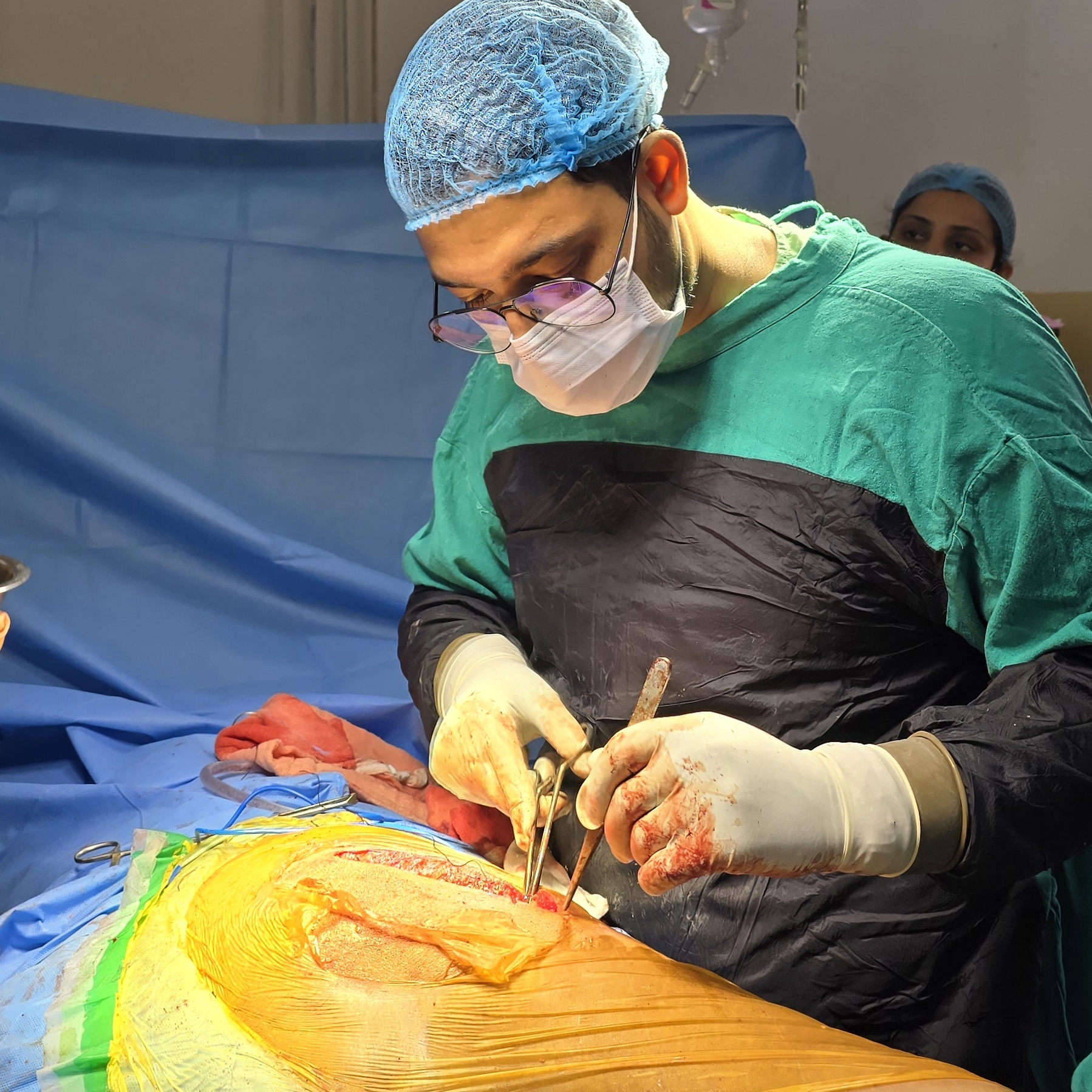
3. The surgeon makes a cut near the joint.
4. Damaged bone and cartilage are carefully removed and prepared.
5. A prosthetic joint is inserted and fitted, often made of metal, plastic, or ceramic.
6. The surgeon checks the joint movement and then closes the incision with stitches or staples.
7. You will be taken to a recovery area and monitored until the anaesthesia wears off.
The surgery time depends on the joint and complexity but is usually 1–3 hours for most large joints.
Recovery & Aftercare
After arthroplasty, recovery takes time. Your doctor will guide you on pain control, wound care, and activity. Physical therapy is very important to help you regain strength and movement.
● You may stay in the hospital for a few days.
● You will likely start moving soon after surgery to help blood flow and prevent stiffness.
● Physical therapy will help you learn the correct way to walk or use the joint.
● Most people can do normal daily activities in weeks to a few months.
● You will avoid high-impact activities like running or jumping but can enjoy walking, swimming, and gentle cycling.
Risks & Possible Complications
Arthroplasty is generally safe, but like all surgeries, it has possible risks:
● Infection at the surgery site.
● Blood clots in the legs or lungs.
● Bleeding or swelling.
● Loosening or wear of the artificial joint over time.
● Nerve or blood vessel injury in rare cases.
● Joint stiffness or pain that may not go away completely.
Your surgeon will explain these risks before the procedure and help you understand how to reduce them.

 Orthopedic Surgeons
 Orthopedics
 General Physician
 Orthopedic Spine Surgeons







 Pain management