Calories in Idli - Nutritional Information & More
On this page
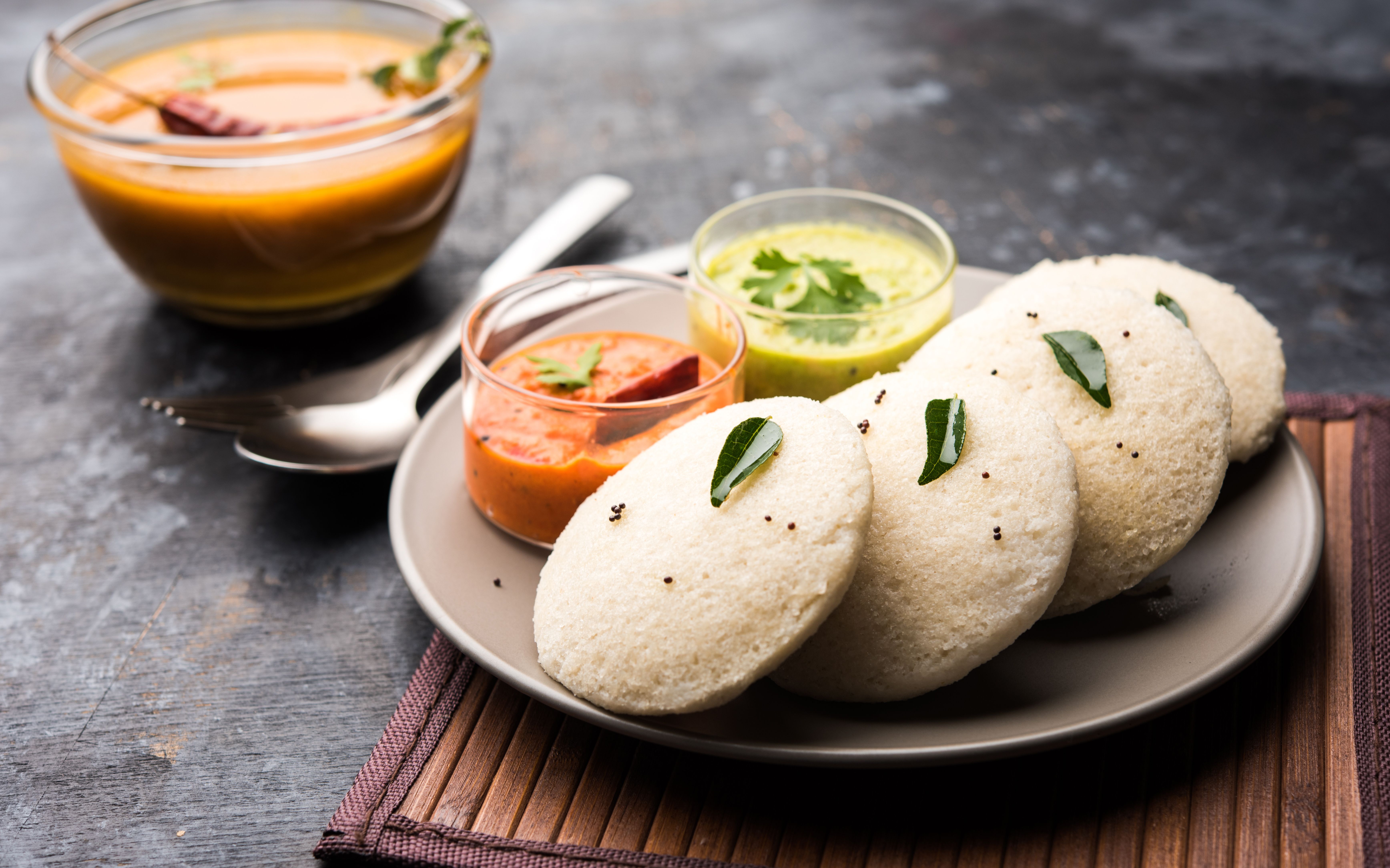
Idli is one of the most widely consumed cuisines of South India, which is not only healthy, but also filled with rich amounts of nutrients that can be quite beneficial for your overall health and wellness. This article will help you to get a detailed account of some of the major nutritional components that are present in idlis, their net calorie contents, the possible health benefits that you may get after adding idlis to your diet, and other details.
Calorie content in Idlis:
Idli is not dense in calorie content, so people can have at leas two idlis with a bowl of sambhar. Most of calories in idlis is derived from carbohydrates as idlis are made from fermented rice and urad dal (black gram). The calorie content in idlis may often vary based on the following:
The portion size of idlis that you consume
The way you prepare the idlis
The rice-to-dal ratio of each idli
The type of idli that you are having
The dishes that you have your idlis with
Amount of ghee or oil added to idlis.
On average, one medium-sized idli, containing approximately 35 to 40 grams may contain almost around 35 to 45 calories. So, if you are consuming two idlis, you are actually having almost around 70 to 90 calories.
Nutritional profile of Idli:
Idlis are usually rich in nutritional components and in fact, the nutrient content increases, when you add ingredients like vegetables to your sambhar dal or your coconut chutney to accompany the idlis. Here is a list of nutritional contents in idlis:
1. Carbohydrates:
Carbohydrates are some of the most commonly found nutrients in idlis. In fact, you are likely to get approximately 7 to 8 grams of carbohydrates from one plate of idli. Being rich in carbs, idlis can help you to get enough energy for carrying out different activities. Apart from this, being made of fermented rice, idli can also help in improving digestion.
2. Protein:
Apart from being made from rice, idlis can be prepared from urad dal as well, and this dal is a rich source of protein. You can get almost 1.5 to 2 grams of protein from each piece of idli. Though idlis are not extremely high in protein content, this amount of protein can increase your total protein intake.
3. Vitamins and minerals:
Besides being rich in macro-nutrients, idlis are rich in high amountsof micro-nutrients as well. Some of the major vitamins in idli include vitamin B complex, especially vitamin B12 and folate or folic acid. Among minerals, you are likely to get iron, calcium, magnesium, and potassium from one plate of idli. All these minerals are beneficial for the following:
Better bone health
Improving hemoglobin production
Regulating better muscle function and blood pressure.
Health benefits of having Idlis:
Here are some health benefits that you are likely to get after you add idlis to your diet:
Boosting your energy from the carbohydrate content
Helps in improving gut health and bowel movement
Easy for digestion
Providing satiety and sense of fullness.
Which doctor to consult before consuming idlis?
Idlis are usually quite healthy and wholesome and thus they are okay to be consumed, but you must have to be careful about your idli intake based on your health conditions. So, before you start adding idli to your diet, it is important for you to know whether you can even have idlis at all. For this, you need to consult a registered dietitian or a nutrition expert who will be able to tell you how many idlis (in terms of portion size) you can have each day based on your calorie requirements, how to cook idlis to make it healthy, what you can have along with idlis, and other necessary details.
Final Thoughts:
Idlis would always remain some of the most beloved and most commonly cooked foods in any South Indian households and also in other parts of India. Apart from being rich in carbohydrates and protein, idlis can also contain vitamins and minerals, that help to provide certain health benefits such as improving your gut health, being light they are easier to digest, boosting your immune system, and so on. But you must consult an expert before adding idlis to your daily breakfast or evening snacks.
Also Check: Calories in 100 gm Boiled Rice - Nutritional Information
Authors

Bidiptaa Sen
MA in Mass Media and Communication, Jadavpur University With 3.5+ years of experience in writing marketing and SEO content on healthcare and wellness, I write articles that help people to get an idea regarding medicines that are prescribed, how to improve their wellness care and educate people how to choose accurate health facilities. My communication skills, depth of knowledge in media management and strategic methods for better social media engagement and improving readers' experience through extensive research on the healthcare scenario.
View profile
Surbhi Singhal
Surbhi is dedicated and self-motivated Ph.D. scholar passionate about Content Creation, Editing, and Teaching. I excel in dynamic environments, thrive on challenges, and am eager to contribute my expertise and enthusiasm in pushing the boundaries of knowledge.
View profile