Sunflower Seeds: Help in Reducing Inflammation
On this page
- All you need to Know about Sunflower Seeds
- Nutrition to your Sunflower Seeds
- Benefits to your Health
- Help in Reducing Inflammation
- Reduce the Risk of Heart Disease
- Help in Controlling Diabetes
- Side Effects
- Sprouted Seeds
- May Cause Allergies
- Do not raise the Level of Cadmium
- Reduce the intake of Calories and Sodium
- Stool Impaction
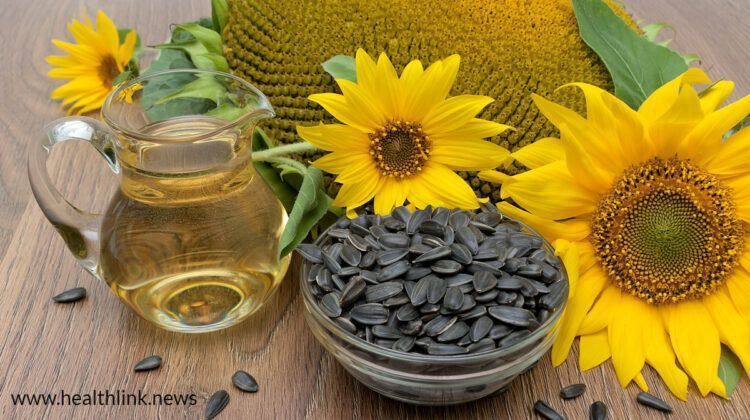
Sunflower seeds are a great choice when it comes to using healthier options for snacks, or for adding to recipes. These seeds are often used in trail mixes, nutrition bars, and multigrain bread, and many other foods. They have several health benefits, including reducing your risk of heart disease and type 2 diabetes, thanks to their healthy fats, beneficial plant compounds, vitamins, and minerals. Here is everything you need to know about sunflower seeds.
Sunflower seeds contain healthy fats, beneficial plant compounds, and several vitamins and minerals. These nutrients may play a role in reducing your risk of common health problems.
All you need to Know about Sunflower Seeds
Sunflower seeds are a popular snack food and they are traditionally eaten raw. This is not their most popular way of preparation, though—the seeds are commonly found in packaged products, such as cereal, trail mix, and granola bars. These prepared foods typically combine sunflower seeds with other ingredients, such as nuts and fruit, to lend different flavors and textures to the final products.
Sunflower seeds are a tasty, healthful treat. Their high protein, healthy oil, and rich nutrients make them a great favorite of athletes and health-conscious eaters. They are also fun to grow — try them in your garden.
Sunflower seeds are small, edible seeds that grow in pods on the sunflower plant. While they can be used in their raw form, they are often roasted to enhance the aroma and taste. Sunflower seeds are high in fat, so they can help you meet your daily fat intake goals.
Nutrition to your Sunflower Seeds
Sunflower seeds are tiny seeds that grow in large flower. These feisty seeds pack many nutrients – a serving of 1 ounce or 30 grams of shelled, dry-roasted sunflower seeds has- (1)
SUNFLOWER SEEDS
Calories 163
Total fat, which includes 14 grams
Saturated fat 1.5 grams
Polyunsaturated fat 9.2 grams
Monounsaturated fat 2.7 grams
Protein 5.5 grams
Carbs 6.5 grams
Fiber 3 grams
Vitamin E 37% of the RDI
Niacin 10% of the RDI
Vitamin B6 11% of the RDI
Folate 17% of the RDI
Pantothenic acid 20% of the RDI
Iron 6% of the RDI
Magnesium 9% of the RDI
Zinc 10% of the RDI
Copper 26% of the RDI
Manganese 30% of the RDI
Selenium 32% of the RDI
Keep your body strong with Sunflower Seeds. These small, nutritious seeds are packed with vitamin E and selenium, phytosterols, and plant compounds — which act as antioxidants to protect your body’s cells against free radical damage.
Sunflower seeds are known for their distinctive flavor. They are also rich in nutrients, including protein and several beneficial plant compounds. Sunflower seeds may help reduce your risk for heart disease and certain types of cancer.
Sprouted, dried sunflower seeds are a nutritious snack. They are easy to add to meals by sprinkling them over soups and salads. They can also be crumbled over cooked grains and tofu.
Benefits to your Health
Sunflower seeds are rich in vitamin E and magnesium, as well as plant compounds such as L-tryptophan and phytosterols which have been linked to health benefits. They are a great addition to any diet and can help lower blood pressure, cholesterol & blood sugar levels.
Help in Reducing Inflammation
Sunflower seeds are naturally high in healthy fats, protein, and magnesium. They contain nutrients that may help reduce inflammation, including magnesium and arginine. Have a handful of sunflower seeds with your favorite snacks and meals. Not only do they taste good. Pop a handful of sunflower seeds for a tasty, heart-healthy snack and an instant burst of vitamin E. Studies have shown that people who eat seeds at least 5 days a week, 32% less of an inflammatory marker called C-reactive protein, which is linked with a higher risk for heart disease and diabetes.
Reduce the Risk of Heart Disease
A nutrient in sunflower seeds may lower your risk of heart disease. Sunflower seeds also provide magnesium, which helps reduce blood pressure levels.
Sunflower seeds are nutritious and inexpensive vitamin E food. What is Vitamin E? It is an antioxidant, which plays an important role in protecting the body from heart disease and cancer. Sunflower seeds also contain magnesium, which helps reduce blood pressure levels as well as copper, which maintains the elasticity of arterial walls and helps them remain strong.
These tasty treats are a great source of heart-healthy unsaturated fats and vitamin E. The seeds have linoleic acid, which your body converts into a hormone-like compound that relaxes blood vessels, lowering blood pressure and cholesterol.
The unique blend of fiber, protein, and other nutrients found in sunflower seeds helps fight heart disease. That is because the special blend of polyunsaturated fats—including those from the omega-3 class of fatty acids—helps lower triglycerides or “bad” cholesterol. What is more, the amino acid arginine helps relax blood vessels, so your heart can pump more efficiently and get more oxygen to cells throughout your body.
Sunflower Seeds contain one of the highest amounts of linoleic acid of all foods, and in the study participants with the highest intake of linoleic acid had a 15% lower chance of heart disease events compared to those with the lowest intake.
Help in Controlling Diabetes
People with diabetes may be able to reduce their blood sugar levels by eating sunflower seeds regularly. This is a promising effect, but studies have shown that it is only seen in people who are already following a healthy diet, so sunflower seeds should not be seen as an independent treatment for diabetes or for lowering blood sugar.
While we like sunflower seeds for the plant compound chlorogenic acid, more recent studies also suggest that adding sunflower seeds to foods like bread may help decrease carbs’ effect on your blood sugar and slow stomach emptying.
Side Effects
Sunflower seeds are a delicious, healthy snack to serve at parties or as part of a lunch. But there are several potential downsides to consider before serving them.
Sprouted Seeds
Sprouted seeds do not have to be dangerous or cause illness. When commercially produced, sprouted seeds undergo rigorous testing to ensure that the water and irrigation systems are salmonella-free. Sunflower seeds sometimes present a threat because they may not have been heated above 118℉ (48℃), but with awareness and adherence to proper storage, the risk of illness could be eliminated.
Sunflower seeds may be sprouted at home, and many health food stores carry sprouted seeds. Sprouting seeds with Salmonella present may cause serious illness or death, so never eat recalled products. Check the grocery store for recall notices posted before you buy any sprouted, raw sunflower seed products.
May Cause Allergies
As a delicious snack, the potential downside of sunflower seeds is allergies. Sunflower seed allergies are rare but can cause anaphylaxis and other reactions. Keep this in mind if you or your family members often have allergies.
Sunflower seeds are commonly eaten as a snack food and used as an ingredient in recipes. People who are allergic to sunflowers often develop skin reactions when they touch the seeds. Sensitivities may also develop after breathing in sunflower pollen or eating sunflower seeds, with reactions such as sneezing, coughing, stomach problems, hives, swelling of the lips, joint pain or worsening of asthma symptoms. Even though allergy to sunflower seeds is deemed rare, the possibility exists. For this reason, it is best to avoid these products if you have allergies.
Do not raise the Level of Cadmium
Although sunflower seeds can bring a lot to your diet, you should eat them in moderation as well. The cadmium content of the seeds of this sunflower can harm your kidneys if you are exposed to heavy amounts over a long period.
Sunflower seeds are healthy, but they are also high in cadmium. Eating 9 ounces (255 grams) a week raises your cadmium intake by 65 mcg to 175 mcg per week. However, eating reasonable amounts of sunflower seeds — 1 ounce (30 grams) a day — does not raise blood levels of cadmium or damage your kidneys.
Reduce the intake of Calories and Sodium
Although very nutritious, sunflower seeds are high in calories. Calories are found in both the seeds and the shells, so cracking open and spitting out the shells is an easy way to slow the eating pace and limit calories.
Health experts tell us that we should cut down on sodium. If you are watching your salt intake, keep in mind that the shells — which people commonly suck on before cracking them open — are often coated with more than 2,500 mg of sodium per 1/4 cup (30 grams). The nutrition label on most brands only provides information for the kernel inside the shell, as the USDA currently does not require nutritional labeling for the shells. Some brands sell versions with reduced-sodium packages.
Stool Impaction
Be aware that eating many sunflower seeds at once may result in signs of discomfort and disrupt your digestive system. Eating too many seeds in the shell may lead to the inability to pass stool as the undigested pieces interfere with absorption, resulting in stool impaction.
Blocking stool with the inability to pass a bowel movement is known as impaction. Impaction may cause abdominal pain, nausea, and rectal leakage, as well as bloating.