Calories in Pomegranate - Nutrition Facts, and Health Benefits
On this page
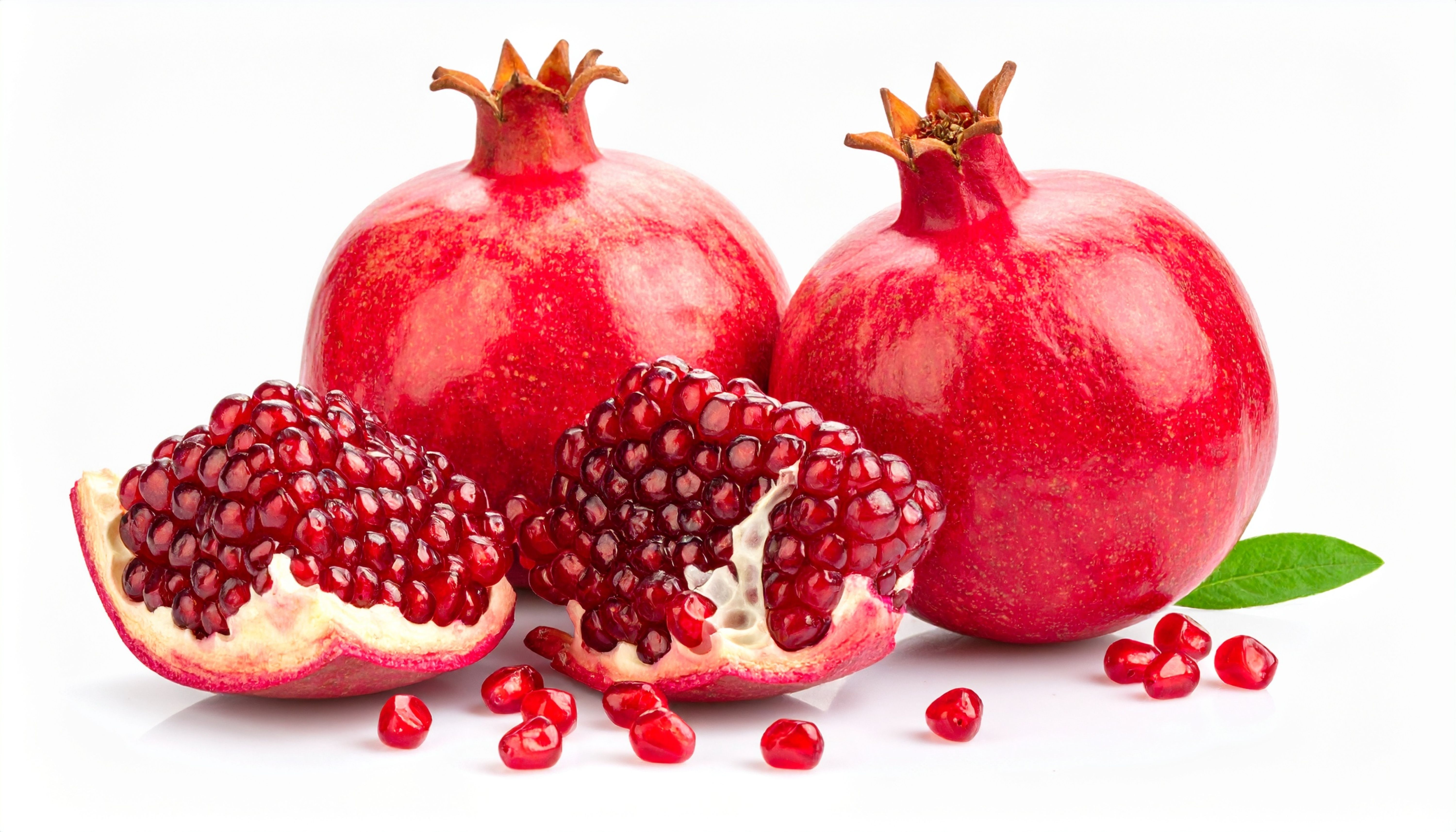
Like any other fruit, pomegranates are known to be some of the richest sources of essential nutrients that are highly beneficial for your overall health and wellness. This article will give you a detailed account of the nutrients and calories that are present in pomegranates, the possible health benefits that you may derive from this fruit, and other necessary details.
Calorie content in pomegranates:
Like most fruits, pomegranates are also low in calorie content and are rich in nutritional components. The net number of calories that are present in pomegranates will differ based on the size of the fruit. But on average, a bowl of 100 grams of pomegranate fruit may consist of around 80 to 85 calories. The calorie content will increase to around 230 to 240 kcal if you are consuming a medium-sized pomegranate, in which the arils of the pomegranate are around 250 to 280 grams by weight.
Nutritional content in pomegranates:
Pomegranates are rich in nutritional content, mostly consisting of vitamins, minerals, and high amounts of antioxidants. Pomegranates consist of both macro and micronutrients. Here is a list of some of the major nutrients that are found in pomegranates:
1. Carbohydrates:
Pomegranates are rich in high amounts of carbohydrates that help to provide enough energy to the body. Every 100 grams of edible pomegranates can consist of almost 18 to 19 grams of carbohydrates, mostly in the form of natural sugars.
2. Dietary fibre:
Another major macronutrient that is present in pomegranates is rich dietary fiber which helps you to stay regular and improve digestion. There are approximately 4 grams of dietary fibre present in every 100 grams of pomegranates.
3. Vitamin C:
Pomegranate, being a fruit, is rich in micronutrients such as vitamins. The most common types of vitamins that are found in this fruit include vitamin C for better immunity and skin health, vitamin B9 (also known as folate or folic acid) for improved cell growth and red blood cell formation, and vitamin K for aiding in proper blood clotting and bone health.
4. Minerals:
Pomegranates are rich in minerals as well. It is a major source of iron that helps to keep the red blood cells in a healthy condition and aids in improving the functions of pigments like hemoglobin. Another important mineral found in this fruit is potassium, which is healthy for the heart and regulates high blood pressure.
Health benefits of pomegranates:
Needless to mention, the rich amounts of nutrients that are present in pomegranates help to provide enough health benefits, some of which can be listed here as follows:
1. They are rich in antioxidants:
The essential antioxidants, such as polyphenols, punicalagins and anthocyanins, that are present in pomegranates are beneficial in improving the overall body functioning and can strengthen your immune system by neutralising the functions of the free radicals.
2. Improves your heart health:
The rich nutritional components, especially vitamins, minerals, and antioxidants that are present in pomegranates, can be beneficial for your heart health, because the minerals not only aid in regulating blood pressure levels, but also help to improve the levels of LDL or bad cholesterol.
3. Rich in anti-inflammatory properties:
The nutrients and the plant-based compounds that are present in pomegranates are rich in anti-inflammatory properties, which help to prevent the risks of developing any type of chronic disease that may develop because of inflammation, such as arthritis, gut problems, and so on.
Which doctor to consult before having pomegranates?
Before you start eating pomegranates, you can ask any registered medical practitioner and take their advice regarding how many pomegranates you can have each day, the specific health problems that will be healed by this fruit, and other details. It is advisable to consult an expert dietitian or a nutritionist before you start adding pomegranates to your diet. You must also know about the portion amount that you must have each day.
Final Thoughts:
Pomegranate will always remain one of the most consumed fruits. It is popular not only for its delicious taste, but it is also rich in several nutritional components such as vitamins, minerals, antioxidants, dietary fibre, and natural sugars, which help to provide immense amounts of health benefits. You are likely to develop a healthy digestive system, better heart and skin health, low risks of inflammation, and so on after you start having pomegranates. But it is also advisable to consult an expert before you add this fruit to your diet.
Authors

Surbhi Singhal
Surbhi is dedicated and self-motivated Ph.D. scholar passionate about Content Creation, Editing, and Teaching. I excel in dynamic environments, thrive on challenges, and am eager to contribute my expertise and enthusiasm in pushing the boundaries of knowledge.
View profile
Sania Thakur
Content writer and marketing professional with strong sales and business skills. Experienced in web content writing, data annotation, and teaching, with a proven ability to craft engaging content and drive audience growth. Background in English Literature and Language Teaching from Aligarh Muslim University. Passionate about communication, branding, and strategic market analysis.
View profile