Calories in Pani Puri - Nutritional Facts Information
On this page
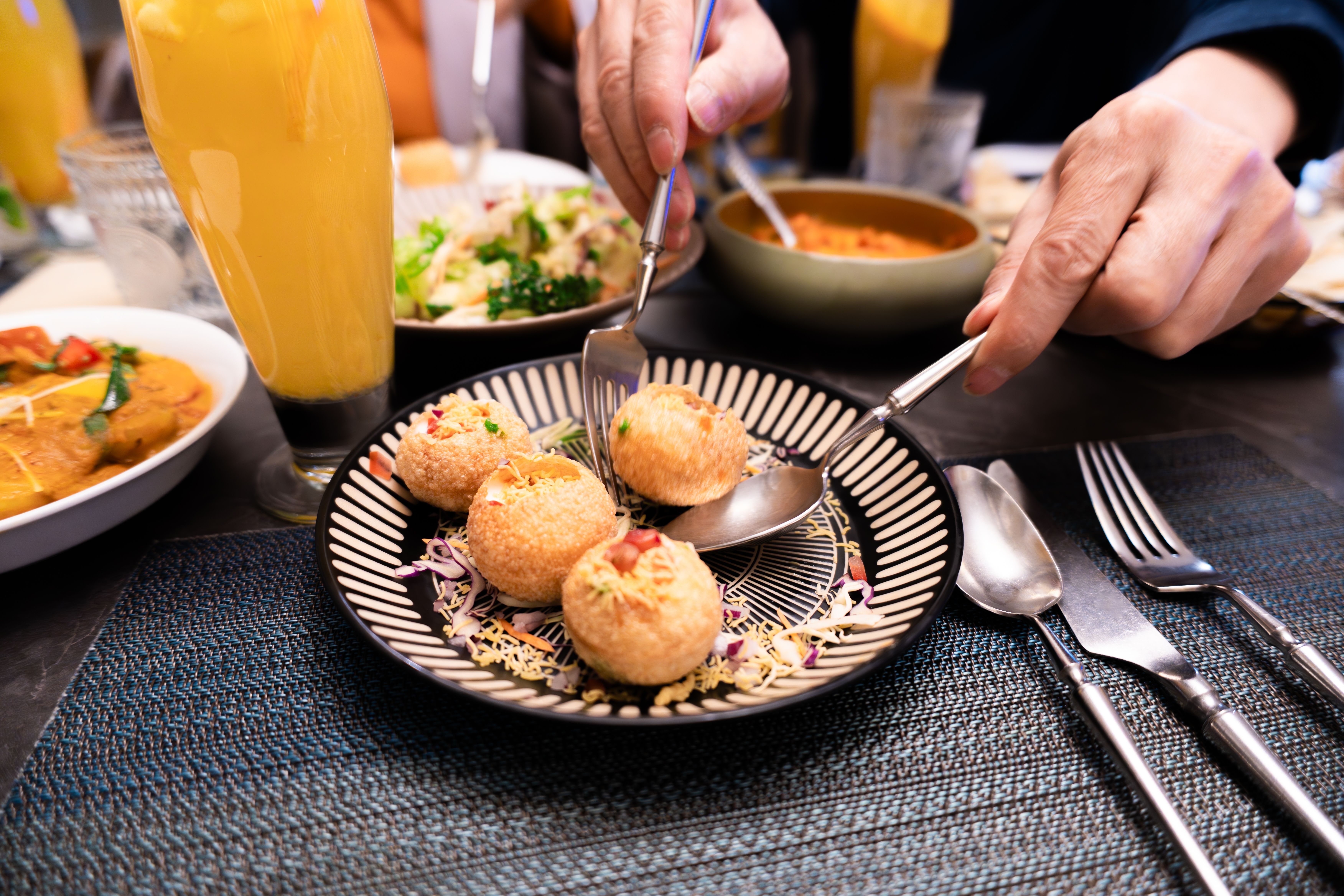
From children to adults, who does not enjoy a savoury and tangy bite of pani puri? Pani puri is one of the most consumed street foods in many parts of India, which is loved mostly for its delicious taste. But are you aware of the components present in it and whether this is beneficial for you or not? Read this article till the end to know the number of calories that are present in pani puri, whether any type of nutritional components are found in this street food at all, the different forms of health benefits that you can get from pani puri, and other necessary facts.
Calorie content in Pani Puri:
Pani puri, also commonly known as puchka or gol gappa, can be slightly high in calorie content, as most of the calories are derived from the fried puris, which are consumed at least 5 to 6 pieces in one serving. The net amounts of calories in pani puri can vary based on different factors, such as the following:
The types of ingredients used while making the stuffing inside the puri
The amount of oil used while frying the puri
The calories present in the ingredients in the tangy water.
On average, the calorie content of 5 to 6 puris can range between 180 and 220 calories. Most of the calories in pani puri come from the tangy flavoured and spiced water, the potato filling and the semolina fried in oil that make up the ingredients of the puris. The overall calorie consumption while having pani puris can considerably increase if you deep fry the puris or consume them with different types of flavoured chutneys, sev or bhujia.
Are there nutrients in pani puri?
Pani puri is definitely not a nutritional dish - think of how many times kids get scolded for frequenting pani puri shops! Yet, there are still certain types of nutritional ingredients in pani puri that can be beneficial for your health, some of which are listed below:
1. Carbohydrates:
Ingredients such as semolina and potatoes bring in rich sources of carbohydrates to pani puri. These high amounts of carbohydrates can provide you with some amounts of energy that is beneficial for carrying out vital physiological activities.
2. Protein:
You are likely to get very small amounts of protein from pani puri, especially from ingredients such as chickpeas or gram seeds. These plant-based protein sources can be somewhat used for muscle repair.
3. Vitamins and minerals:
Pani puri, when consumed in limited amounts, can be a good source of vitamins and minerals. You can get very small amounts of vitamins such as vitamin C and B vitamins from components like onions, lemon, green chillies, coriander, mint, and tamarind.
You can also get trace amounts of beneficial minerals such as iron, potassium, and magnesium from ingredients such as chickpeas and potatoes, which aid in better metabolism, strong immunity, and help you to stay healthy.
Which specialist should you consult for having pani puri?
No health care professional or specialist is likely to advise you to consume pani puri as a part of your diet. But you can have 5 to 6 pani puris in each serving occasionally. But even before doing so, you need to consult an expert to avoid the risks of side effects. In such cases, you may talk to a registered nutritionist or a dietitian . This is because consulting a specialist will be able to get an idea regarding:
Whether you can have pani puri at all
The portion size of your total pani puri intake
How many pani puris can you have
Is pani puri made at home a healthier option?
Final Thoughts:
Pani puri is one of the most loved street foods among others, which is consumed mostly for its flavourful, tangy taste. But over-consuming them or frequently consuming pani puri can lead to some severe health problems. Pani puri can contain some amounts of nutrients such as vitamins, minerals, carbohydrates, trace quantities of dietary fibre, and protein as well, and when consumed in limited amounts, these nutrients can be somewhat beneficial for your overall health and wellness. But it is always vital for you to go for expert opinion first, before you start consuming pani puri.
Also Check: CALORIES IN PIZZA: POSITIVES AND NEGATIVES OF HAVING PIZZA
Authors

Bidiptaa Sen
MA in Mass Media and Communication, Jadavpur University With 3.5+ years of experience in writing marketing and SEO content on healthcare and wellness, I write articles that help people to get an idea regarding medicines that are prescribed, how to improve their wellness care and educate people how to choose accurate health facilities. My communication skills, depth of knowledge in media management and strategic methods for better social media engagement and improving readers' experience through extensive research on the healthcare scenario.
View profile
Sania Thakur
Content writer and marketing professional with strong sales and business skills. Experienced in web content writing, data annotation, and teaching, with a proven ability to craft engaging content and drive audience growth. Background in English Literature and Language Teaching from Aligarh Muslim University. Passionate about communication, branding, and strategic market analysis.
View profile