Calories in Rasam - Nutrition Facts Information
On this page
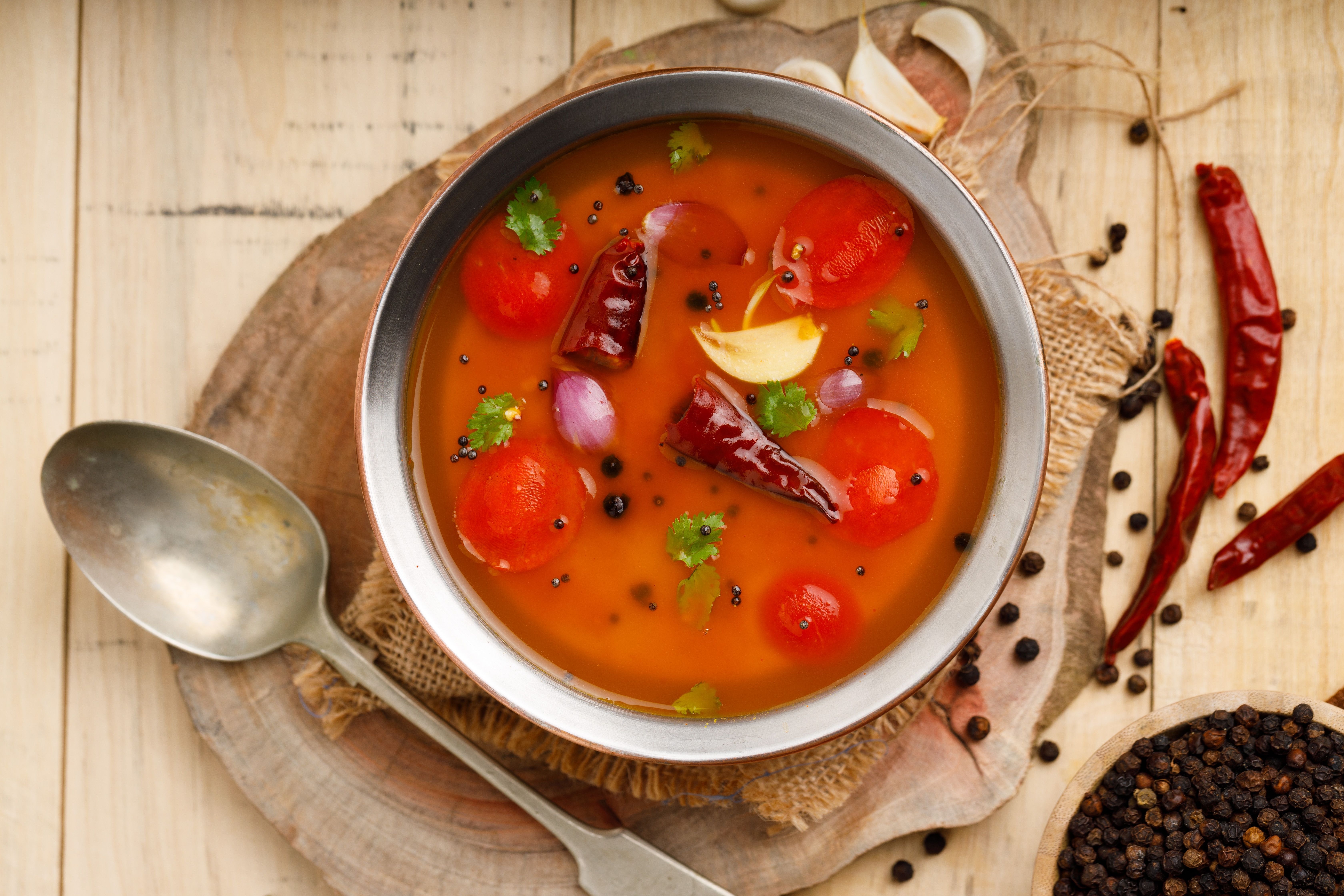
Rasam is not only delicious and a wholesome dish to pair with your rice, but it is also one of the most highly nutritious foods that is a beloved in most South Indian kitchens and also favoured in other parts of India as well. Rasam usually brings in a vibrant, tangy, and spicy flavour, which can be equally filling and comforting. This article is therefore dedicated to letting you know about the calories that are present in rasam, the list of nutritional components found in this dish, the different types of health benefits that you can get from rasam, and other health-related facts.
Calorie content in rasam:
The net number of calories in a bowl of rasam can differ, as there are various ways of making rasam. Mostly, rasam is quite low in calorie content, but a major part of its calories are derived from the different types of dals (such as toor dal) and various ingredients (including spices) that are used while cooking rasam. On average, a bowl of rasam of around 200 ml can contain approximately 40 to 60 calories. This mostly tells you that rasam is quite light, water-based and thus easy to consume.
Nutritional components in rasam:
Rasam is a dish that is high in nutritional content. Some of the most common types of nutrients that are found in rasam can be listed below:
1. Protein:
Being made mostly from different types of lentils, rasam is a dish that is high in protein content, mostly plant-based protein. Toor dal, which is used in rasam, can provide you with some amounts of protein, which can help to improve your overall protein intake and result in better muscle mass.
2. Antioxidants:
You are likely to get several antioxidants from the different types of spices that are used while making rasam. These spices not only help in healthy digestion, but components like black pepper, cumin, garlic, and mustard seeds can help you to stay healthy.
3. Vitamins and minerals:
The major vitamin that is found in rasam is vitamin C. This citrous vitamin is derived from the tomatoes that make up the major part of rasam. Moreover, tomatoes can also present components like lycopene that are beneficial for your overall health, supporting the immune system by reducing oxidative stress.
Minerals that are found in rasam include potassium and magnesium, which can help to support healthy muscle and nerve function.
Health benefits of having rasam in your diet:
Rasam is a rich source of nutrients, which makes it inevitable that you are supposed to get quite some amounts of health benefits. Some of the major health benefits that you can get from rasam can be listed below:
Helps in supporting the digestive system
Reduces the risks of congestion and cold, especially during seasonal changes
Helps in improving your gut health and aids in regular bowel movement
Keeps you hydrated due to the presence of water in it
Reduces the risks of oxidative stress
Boosts your immune system
Helps in healthy weight management, being low in calories.
Which specialist should you consult for having rasam?
Rasam is quite a healthy dish that is rich in high amounts of nutrients and is more or less beneficial for your health. But this dish may not be appropriate for all, so if you are doubtful about the intake of rasam, it is important to take expert opinion first. In such a case, you may consult with a registered nutritionist or a dietitian . This is because such an expert will be able to tell you:
How much rasam do you consume
What meal to have along with your rasam
How to make rasam healthier
Whether you can have rasam at all.
Final Thoughts:
Rasam is a dish that is not only a staple in South Indian kitchens but also loved in many parts of India. It is rich in high amounts of vitamins, minerals, protein, and antioxidants that help you to stay healthy and can boost your immune system. The components that are used for cooking rasam can aid in supporting various types of physiological functions, such as aiding in healthy digestion, boosting your immune system, reducing the risks of cold and congestion, and so on. But it is always advised to take expert opinion before you start consuming rasam in your daily diet.
Authors

Bidiptaa Sen
MA in Mass Media and Communication, Jadavpur University With 3.5+ years of experience in writing marketing and SEO content on healthcare and wellness, I write articles that help people to get an idea regarding medicines that are prescribed, how to improve their wellness care and educate people how to choose accurate health facilities. My communication skills, depth of knowledge in media management and strategic methods for better social media engagement and improving readers' experience through extensive research on the healthcare scenario.
View profile
Surbhi Singhal
Surbhi is dedicated and self-motivated Ph.D. scholar passionate about Content Creation, Editing, and Teaching. I excel in dynamic environments, thrive on challenges, and am eager to contribute my expertise and enthusiasm in pushing the boundaries of knowledge.
View profile