Calories in Hot Chocolate – Nutrition Facts Information
On this page
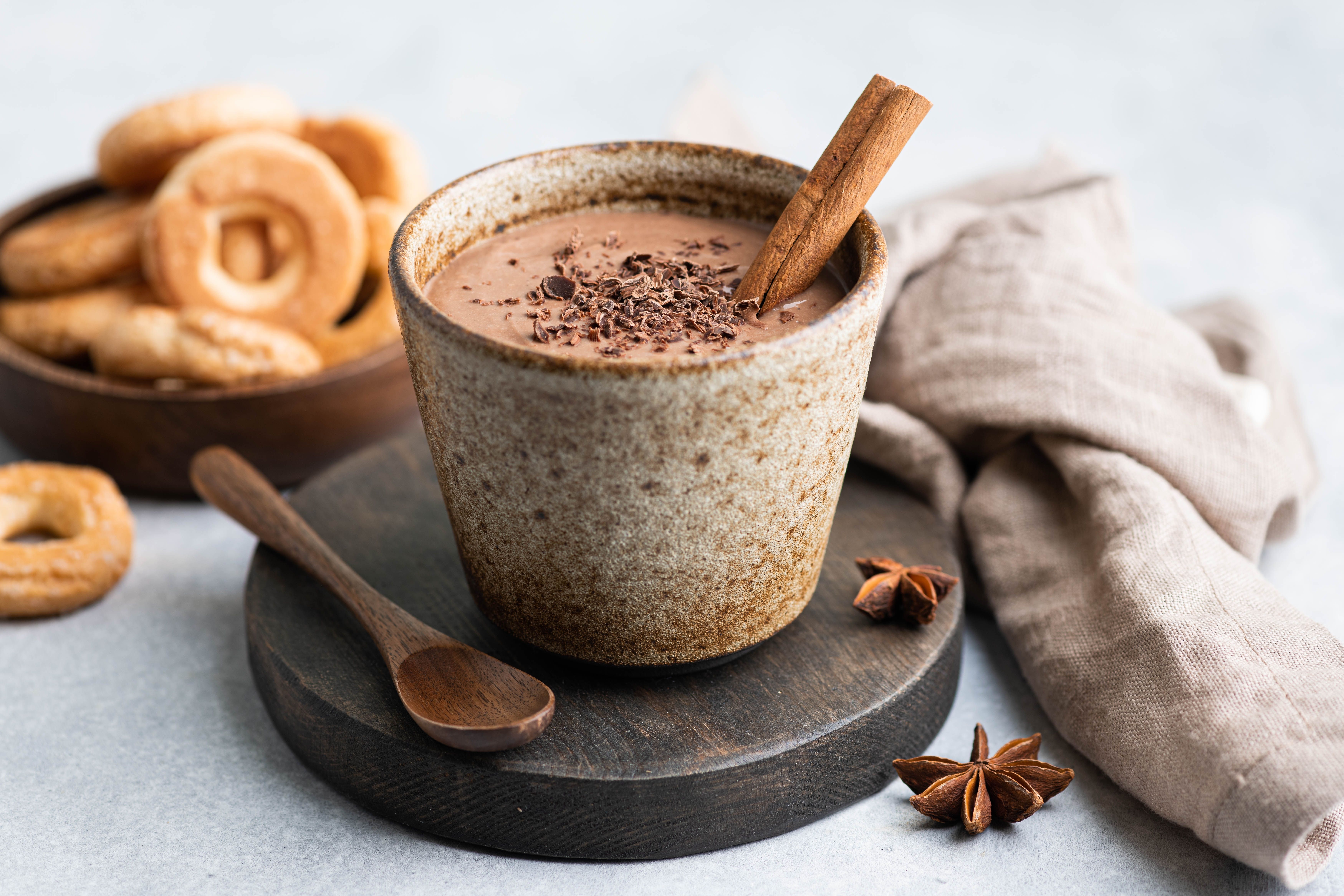
Who does not wish to relish a cup of nice, soothing hot chocolate with a plate of bread or croissant? Hot Chocolate is a common drink loved by children and adults for its rich, creamy, chocolaty taste and comforting nature. But having too much hot chocolate may not be good for your overall health and wellness.
This article will therefore give you a detailed account of the calorie content in hot chocolate, the nutrients present in it, the positive sides and the downsides of having hot chocolate, and other necessary details.
Calorie content in Hot Chocolate:
Compared to other sweet drinks, hot chocolate is relatively high in calorie content. This is mostly because of the chocolatey and sugary components in hot chocolate. Most of the calories in hot chocolate are derived from the components that are used to make it, such as the full-cream milk, sugar, chocolate or cocoa powder, whipped cream, and corn starch (occasionally). All these components add high calories to this sweet drink.
The total amount of calories in hot chocolate may differ based on different factors, such as:
The type of milk that is used
The portion size of hot chocolate that you drink
Whether the hot chocolate is homemade or café style
On average, each cup of hot chocolate, weighing around 240 to 250 ml by weight, may contain around 180 to 250 calories. Your total calorie intake will depend on where you are having your hot chocolate from (for instance, home, café or restaurant), as homemade hot chocolate can always contain comparatively lower amounts of calories.
The nutrients you may find in hot chocolate:
Hot chocolate is definitely not a nutritional sweet drink, but you may find some amounts of nutrients (though in very small quantities) in a cup of hot chocolate. Some of the major types of hot chocolate can be listed here as follows:
1. Carbohydrates:
You can get some amounts of carbohydrates from one cup of hot chocolate. Most of these carbohydrates are derived from components such as sugar and milk that are present in hot chocolate. The cocoa will also help to keep your body alert, whereas the carb content can be beneficial for getting quick energy.
2. Protein:
You will get very small quantities of protein from one cup of hot chocolate, because this protein is derived from the milk that is used while making hot chocolate. In fact, you can get almost 6 to 8 grams of protein from each cup of hot chocolate.
3. Fats:
Hot chocolate can often be rich in fat content, but the amount of fat will depend on the type of milk that you use while making the hot chocolate. The fats in hot chocolate, however, can be beneficial for providing better energy and enhancing the flavour.
4. Minerals and antioxidants:
You are likely to get absolutely trace amounts of minerals and antioxidants from various types of ingredients that are added to hot chocolate, such as calcium (mostly derived from the added milk), along with iron and magnesium. You can also get some amounts of flavonoids in hot chocolate from the cocoa.
Which specialist should you consult for having hot chocolate?
Hot chocolate is mostly preferred for its sweetness, rich and creamy flavour, along with a comforting taste, but it is also important to note that hot chocolate is usually high in calorie content. So, before having hot chocolate, you must take expert opinion to know whether this is good for your health at all. Therefore, you may consult with a registered nutritionist expert, a dietitian and a diabetic expert . This is because consulting a specialist will be able to get an idea regarding:
Whether you can have hot chocolate occasionally
How much hot chocolate can spike your blood sugar levels
The portion size of your hot chocolate intake
How can you make hot chocolate healthier?
Final Thoughts:
Hot chocolate will be a favourite sweet treat when you need something comforting, but it is also advised by experts to have hot chocolate in limited portions. This is because hot chocolate has high-calorie levels and can lead to some side effects when consumed frequently, such as increased blood sugar levels, obesity, high-fat intake, and so on.
Authors

Bidiptaa Sen
MA in Mass Media and Communication, Jadavpur University With 3.5+ years of experience in writing marketing and SEO content on healthcare and wellness, I write articles that help people to get an idea regarding medicines that are prescribed, how to improve their wellness care and educate people how to choose accurate health facilities. My communication skills, depth of knowledge in media management and strategic methods for better social media engagement and improving readers' experience through extensive research on the healthcare scenario.
View profile
Surbhi Singhal
Surbhi is dedicated and self-motivated Ph.D. scholar passionate about Content Creation, Editing, and Teaching. I excel in dynamic environments, thrive on challenges, and am eager to contribute my expertise and enthusiasm in pushing the boundaries of knowledge.
View profile