What is Physical Therapy (Physiotherapy)?
Physical therapy (physiotherapy) is a healthcare treatment that helps people restore movement, reduce pain, and improve physical function after injury, illness, or surgery. It involves guided exercises, stretches, and hands-on techniques performed under the supervision of a trained physical therapist.
The main goal of physical therapy is to help patients regain strength, flexibility, balance, and mobility, enabling them to perform everyday activities safely and comfortably.
Physical therapy is commonly used in rehabilitation after injuries, surgeries, strokes, or musculoskeletal conditions. It may also be recommended to prevent injuries, manage chronic pain, and improve overall physical performance.
This therapy can be performed in hospitals, rehabilitation centers, clinics, or even at home, depending on the patient’s condition and treatment plan.
Who May Need Physical Therapy?
Physical therapy may be recommended for people with various health conditions that affect movement or physical function, including:
● Sports injuries or muscle strains
● Joint problems such as arthritis or ligament injuries
● Back and neck pain
● Recovery after surgery
● Stroke or neurological conditions
● Spinal cord injuries
● Balance and mobility issues
● Chronic pain conditions
Doctors evaluate the patient’s medical history, symptoms, and physical conditions before recommending a physical therapy program.
Types of Physical Therapy Techniques
Physical therapy includes different treatment methods designed to improve movement and relieve pain.
1. Therapeutic Exercises
These exercises help strengthen muscles, improve flexibility, and increase endurance.
2. Manual Therapy
Hands-on techniques such as massage, joint mobilisation, and soft tissue manipulation help reduce stiffness and improve mobility.
3. Heat and Cold Therapy
Heat therapy increases blood flow and relaxes muscles, while cold therapy reduces swelling and inflammation.
4. Electrotherapy (TENS)
Electrical stimulation is used to relieve pain, stimulate muscles, and improve circulation.
5. Hydrotherapy
Exercises performed in water help reduce stress on joints and improve mobility.
6. Ultrasound Therapy
High-frequency sound waves are used to treat deep tissues and promote healing.
Physical Therapy Procedure
A physical therapy programme usually involves several sessions depending on the patient’s condition.
1. Initial Assessment
The physical therapist evaluates the patient’s movement, strength, posture, and flexibility to understand the problem.
2. Treatment Planning
Based on the evaluation, the therapist designs a personalised rehabilitation plan with specific exercises and therapy techniques.
3. Therapy Sessions
During sessions, the therapist guides the patient through exercises, stretches, and manual techniques to improve mobility and reduce pain.
4. Home Exercise Program
Patients are often given exercises to perform at home to support recovery and maintain progress.
5. Progress Evaluation
The therapist regularly reviews the patient’s improvement and adjusts the treatment plan if needed.
Physical therapy sessions typically last 30 to 60 minutes, and patients may attend multiple sessions each week depending on the treatment plan.
Benefits of Physical Therapy
Physical therapy provides several health benefits, including:
● Pain relief without medication or surgery
● Improved mobility and flexibility
● Strengthening of muscles and joints
● Faster recovery after surgery or injury
● Improved balance and coordination
● Reduced risk of future injuries
It also helps improve circulation, reduce inflammation, and promote natural healing of injured tissues.
Risks & Possible Complications
Physical therapy is generally considered safe and non-invasive, but some patients may experience the following:
● Mild muscle soreness or fatigue after exercises
● Temporary pain or discomfort during rehabilitation
● Rare injury from improper movement or overexertion
Following the therapist’s instructions carefully helps minimise these risks.
 Psychiatry

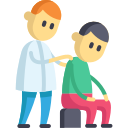 Physiotherapy

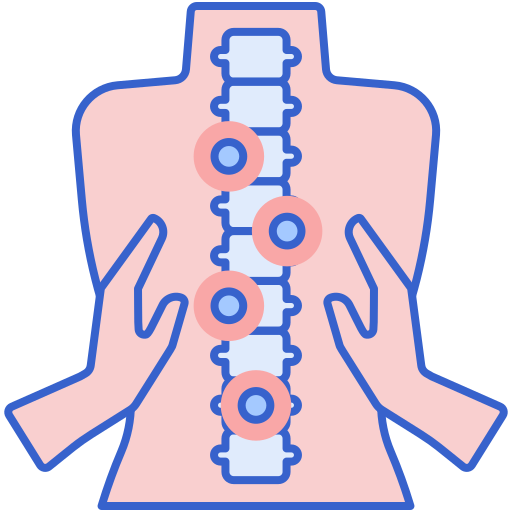 Chiropractic





.png) Ayurveda
Ayurveda
 Alternative Medicine
.png) Acupuncture
Acupuncture