Find a doctor

Intralesional Injection doctors in India

34 doctors in India — verified profiles, ratings, fees and clinic or online consultation.

34 doctors All procedures →
Filters & sort

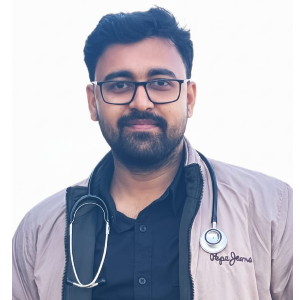
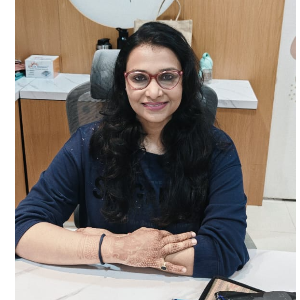
Dr Annu Priya

Verified

MD-DERMATOLOGIST

Dermatology
DermaGnathix clinic · Bhopal, Madhya Pradesh

Dr. Annu Priya is a leading Dermatologist and Hair Transplant Specialist in Bhopal, with over 10 years of clinical experience in treating a wide range of ski…

Consultation fee₹500

Dr Rupal Ghosh

Verified

Dr. Rupal Ghosh | MBBS, MS (ENT – Kolkata) Consultant ENT, Head, Neck & Thyroid Surgeon

ENT Otolaryngology
Online Consultation · Kolkata, West Bengal +1 more

Dr. Rupal Ghosh is a skilled Consultant ENT, Head, Neck & Thyroid Surgeon with an MS in ENT from Kolkata. He is specially trained in micro-ear surgery, laser…

Consultation fee₹300 – ₹600

MBBS, PGD CLINICAL DERMATOLOGY

General Physician
Online Consultation · Hyderabad, Telangana

Dr.Hafeeza S, an aesthetic physician who believes that "aging gracefully" should be on your own terms. After completing fellowship in Aesthetic medicine, PG.…

Consultation fee₹500

Dr Amit Gupta

Verified

MBBS, MS (IMS BHU), FMAS, FALS, FIAGES, EFIAGES, FACRSI, FISCP

General Surgeon
Sahu Polyclinic · Sonbhadra, Uttar Pradesh

Experienced surgeon with a proven track record of delivering exceptional patient care and surgical outcomes. Skilled in performing a wide range of complex su…

Consultation fee₹200

DNB - Dermatology & Venereology, MBBS, MD - Dermatology

Dermatology
Inurskn - Skin & Hair Clinic · Mumbai, Maharashtra

Dr. Sejal Saheta has extensive experience in the field of cosmetology and dermatology. From the most serious of hair and skin conditions to the most advanced…

1 Award

MBBS, MD - Dermatology , Venereology & Leprosy

Dermatology
Nanavati Super Speciality Hospital · Mumbai, Maharashtra +1 more

Dr. Raina is a MBBS, MD dermatologist. Dr. Raina has been practicing over 5 years , she opted out of her extensive dermatology practice to liposuction surger…

1 Award

MD - Skin & VD, MBBS

Dermatology
Manipal Hospital · Bengaluru, Karnataka +1 more

Dr Sachith's Skin Clinic headed by Dr. Sachith Abraham is one of the best dermatologists in Bangalore with over 24 years experience in medical and aesthetic…

1 Award

MBBS, MD - Dermatology

Dermatology
Noble Hospital · Pune, Maharashtra +2 more

Dr. M. S. Sirsikar is a Dermatologist and Dermatosurgeon in Hadapsar, Pune and has an experience of 60 years in these fields. Dr. M. S. Sirsikar practices at…

MD - Dermatology, MBBS

Dermatology
Nanavati Super Speciality Hospital · Mumbai, Maharashtra +1 more

Dr. Kalpana Sarangi is a qualified M. Skin, she started as a dermatologist and subsequently established herself as the Head of the Cosmetology Centre at Mumb…

4 Awards

MD - Dermatology , Venereology & Leprosy, MBBS

Dermatology
Max Smart Superspeciality Hospital · Delhi +1 more

Dr. Kashish Kalra is a Delhi Medical Council certified senior Dermatologist. He is the recipient of prestigious gold medal award for“ best young dermatologis…

1 Award

MBBS, DVD

Dermatology
Noble Hospital · Pune, Maharashtra

Skin Specialist, Cosmetic Dermatologist, Skin Surgeon Fellow, American Academy of Dermatology 28 years of Practice experience Student of St. Vincent’s High S…

2 Awards

MBBS, MD - Dermatology , Venereology & Leprosy

Dermatology
Medanta-The Medicity · Gurugram, Haryana

Dr. Ramanjit Singh is a leading Cosmetic Dermatologist of the country practicing in Gurugram since eleven years, with doctors visiting his centre for trainin…

Showing 1–12 of 34

Intralesional Injection doctors by city

Introduction

An intralesional injection is a medical technique where medication is injected directly into a lesion, that is, the affected area of skin, scar, joint, or soft tissue. Instead of giving medicine into a muscle or vein, the drug is placed right at the site of the problem. This helps the medicine work faster and more effectively on the issue that needs attention. Doctors commonly use intralesional injections for conditions like keloid scars, hypertrophic scars, certain skin cysts, localised inflammation, and some joint problems. Because the medication goes straight into the affected area, less overall medicine is needed, and side effects may be reduced. It’s a useful tool in dermatology, orthopaedics, rheumatology, and even cosmetic treatments. An intralesional injection can help reduce pain, swelling, inflammation, scar thickness, and other symptoms, depending on the drug used. Most people find this procedure quick and relatively comfortable when done by trained professionals.

Who May Need Intralesional Injections?

Intralesional injections may be recommended if you have:

- Thick or raised scars like keloids or hypertrophic scars

- Painful, inflamed joints that need targeted treatment

- Localised swelling or inflammation from injury or arthritis

- Certain skin conditions where topical treatment is not enough

- Cysts or nodules that are inflamed but not infected

- Areas needing direct anti-inflammatory or steroid therapy

Your doctor decides whether an intralesional injection is suitable based on the type of lesion, symptoms, and how other treatments have worked.

Types of Intralesional Injections

The type of medication injected depends on the condition being treated:

1. Corticosteroids: These are the most common and help reduce inflammation, swelling, and scar thickness.

2. 5-Fluorouracil (5-FU): Sometimes mixed with steroids for scars to reduce tissue overgrowth.

3. Hyaluronidase: Used to help flatten certain scars or break down clumped tissue.

4. Platelet-Rich Plasma (PRP): Used in some pain conditions or rejuvenation procedures.

5. Local anaesthetic mixtures: used to numb the area and reduce injection discomfort.

Each drug works differently, but the goal is the same: to target the problem directly and reduce symptoms with minimal overall exposure to medicines.

Intralesional Injection Procedure

Getting an intralesional injection is usually quick and can be done in an outpatient clinic. Here’s how it generally goes:

1. The doctor looks at the lesion, explains why the injection is needed, and discusses expected results and possible side effects.

2. The skin around the lesion is cleaned with an antiseptic solution to prevent infection.

3. A numbing spray or cream may be applied so you feel minimal discomfort. In some cases, a local anaesthetic injection is given first.

4. Using a very fine needle, the doctor injects the medicine directly into the lesion or joint. The dose and depth depend on where it needs to act.

5. You may be asked to rest for a few minutes to ensure there are no immediate reactions.

The entire visit may take 10–20 minutes, depending on how many sites need treatment.

Recovery & Aftercare

Because intralesional injections are minimally invasive, there is no major recovery period. However, a few things are normal after the procedure:

- Mild Discomfort or Pressure: Some people feel a little pressure or slight pain at the injection site, which fades in a few hours.

- Redness or Small Bruise: The treated area may be a bit red or bruised for a day or two.

- Swelling: Mild swelling can happen depending on the medicine used. Ice packs may help.

Here are a few aftercare tips:

- Avoid touching or scratching the area right after the injection.

- Keep the area clean, avoiding vigorous activity that may irritate it.

- Follow the medicine instructions if any creams or pain relievers are prescribed.

- Watch for infection signs like increasing pain, redness, warmth, or pus. Contact your doctor if these occur.

Most people go about normal daily activities immediately after the injection, though some rest and gentle care are helpful on the first day.

Risks & Possible Complications

Intralesional injections are considered safe when done by trained professionals, but like all procedures, they have some possible side effects:

- Pain during or after injection (usually mild)

- Bruising or redness at the site

- Skin thinning or discolouration with repeated corticosteroid injections

- Allergic reaction (rare)

- Infection at the injection site (rare, preventable with cleanliness)

Usually, these effects are mild and resolve on their own. Your doctor will explain the risks before the procedure and make sure the benefits outweigh any possible complications.
Frequently asked questions

What is an intralesional injection?

An intralesional injection is a shot where medicine is put directly into a lesion, scar, or tender area. It helps deliver medicine right where it’s needed most, reducing inflammation, pain, or scar thickness without affecting your whole body.

Does intralesional injection hurt?

Most people feel only a small pinch or mild pressure when the injection is given. Doctors often use numbing spray or local anaesthesia first so that it’s more comfortable. Any discomfort usually goes away soon after the procedure.

How long does the procedure take?

The entire visit usually takes about 10–20 minutes. The actual injection is quick, and most of the time is spent preparing and making sure everything is clean and safe.

What conditions can it treat?

Intralesional injections are commonly used for raised scars (like keloids), inflamed joints, localised swellings, or stubborn areas that do not respond well to creams alone. Your doctor will decide if it’s suitable for your problem.

Is there a recovery time after the injection?

No long recovery is needed. Most people return to their usual activities right after the procedure. Some mild soreness or redness may happen, but this usually goes away in a day or two.

Can I get multiple injections?

Yes, sometimes several sessions are needed, especially for scars or chronic conditions. Your doctor will space them out over days or weeks so your body can respond to each dose safely.

Chat Support