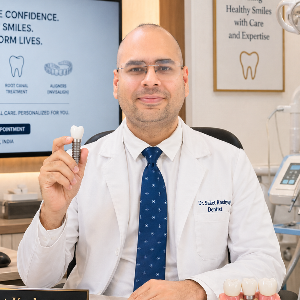
What Is a Dental Implant Prosthesis?
Dental Implant Prosthesis is a dental restoration used to replace one or more missing teeth by attaching an artificial tooth or teeth to dental implants. Dental implants are small titanium posts that are surgically placed into the jawbone to function as artificial tooth roots. Once the implants have healed and fused with the surrounding bone through a process called osseointegration, a dental prosthesis is attached to restore the appearance and function of the missing teeth.
Dental implant prostheses may be used to replace a single missing tooth, multiple missing teeth, or an entire arch of teeth. Depending on the patient's oral condition and treatment needs, the prosthesis may be fixed permanently to the implants or designed to be removable. The restoration is custom-made to match the size, shape, and color of the patient's natural teeth, helping improve both function and appearance.
Dental implant prostheses are commonly recommended for individuals who have lost teeth due to injury, tooth decay, gum disease, or other dental conditions. Compared to conventional dentures or bridges, implant-supported prostheses generally provide improved stability, chewing ability, speech, and comfort.
Overall, dental implant prostheses provide a long-term solution for replacing missing teeth while supporting oral health, restoring normal function, and improving confidence.
Purpose & Benefits of Dental Implant Prosthesis
Dental implant prostheses offer several important benefits.
• Replaces one or more missing teeth
• Improves chewing ability
• Enhances speech and comfort
• Restores smile and facial appearance
• Provides better stability than conventional dentures
• Helps preserve jawbone health
• Supports adjacent teeth without affecting them
• Improves overall oral function
• Provides a long-term tooth replacement option
These benefits make dental implant prostheses a suitable option for many individuals with missing teeth.
Who May Benefit from This Procedure?
Dental implant prostheses may benefit:
• Individuals missing one or more teeth
• Patients with complete tooth loss in one or both jaws
• People seeking a stable alternative to removable dentures
• Individuals with healthy gums and adequate jawbone support
• Patients who have completed implant healing
• People looking for long-term tooth replacement solutions
Dentists evaluate the patient's oral health, jawbone condition, medical history, and treatment goals before recommending a dental implant prosthesis.
Dental Implant Prosthesis Procedure
1. Dental Evaluation
The dentist examines the patient's oral health, dental implants, gums, and surrounding bone to determine the appropriate prosthetic treatment.
2. Treatment Planning
Dental X-rays, digital scans, or impressions are taken to design a prosthesis that fits properly and restores normal function.
3. Implant Healing Assessment
The dentist confirms that the dental implants have successfully integrated with the jawbone before placing the prosthesis.
4. Impression Taking
Detailed impressions or digital scans of the mouth are obtained to fabricate a custom dental prosthesis.
5. Prosthesis Fabrication
The dental laboratory prepares a custom-made crown, bridge, or denture based on the patient's measurements and bite.
6. Prosthesis Placement
The completed prosthesis is attached to the dental implants using screws or special connectors, depending on the type of restoration.
7. Adjustment
The dentist checks the fit, bite, comfort, and appearance of the prosthesis and makes any necessary adjustments.
8. Follow-Up Visits
Regular follow-up appointments are scheduled to evaluate the prosthesis, oral health, and implant stability.
The procedure helps restore chewing function, improve appearance, and replace missing teeth with a stable restoration.
Duration & Treatment Setting
Dental implant prosthesis treatment is commonly provided in dental clinics, implant dentistry clinics, prosthodontic clinics, and multispecialty dental hospitals.
The appointment for placing the prosthesis generally takes about 30 minutes to 2 hours, depending on the type of restoration and the number of implants involved. However, the overall treatment timeline may extend over several months because the implants must heal completely before the prosthesis is attached.
Most appointments are performed on an outpatient basis, allowing patients to return home on the same day.
Safety, Precautions & Risks
Dental implant prosthesis treatment is generally safe when performed by qualified dental professionals.
Common Effects
• Mild discomfort after prosthesis placement
• Temporary sensitivity while chewing
• Minor gum soreness
• Slight adjustment period while speaking or eating
Possible Risks
• Infection around the implant
• Loosening of the prosthesis
• Damage to the prosthesis
• Bite problems requiring adjustment
• Implant failure in rare cases
Precautions
• Maintain good oral hygiene
• Brush and floss regularly around the implants
• Attend routine dental check-ups
• Avoid chewing extremely hard foods
• Follow the dentist's care instructions
Proper oral hygiene and regular dental visits help improve the long-term success of dental implant prostheses.
Types of Dental Implant Prosthesis
Different implant prostheses are available depending on the patient's dental needs.
• Single Implant Crown: Replaces one missing tooth using a single dental implant.
• Implant-Supported Bridge: Replaces several missing teeth using two or more implants.
• Implant-Supported Denture: A removable denture that is supported by dental implants for improved stability.
• Fixed Full-Arch Prosthesis: A permanently attached prosthesis used to replace all teeth in one jaw.
• Removable Implant Prosthesis: Can be removed by the patient for cleaning and maintenance.
The dentist recommends the most suitable type based on the number of missing teeth, oral health, and treatment goals.
Recovery After Procedure
Recovery after receiving a dental implant prosthesis is usually quick, especially when the dental implants have already healed before the prosthesis is placed. Patients may experience mild soreness or slight discomfort around the gums for a short period after the prosthesis is attached. Most people are able to return to their normal daily activities soon after the appointment.
The dentist may advise patients to eat soft foods for a short time while adjusting to the new prosthesis. Maintaining good oral hygiene by brushing, flossing, and cleaning around the implants is important for preventing infection and maintaining the health of the surrounding gums. Regular dental check-ups also help monitor the condition of the implants and the prosthesis.
Most patients gradually become comfortable with speaking, chewing, and smiling after the adjustment period. With proper oral care and routine dental visits, dental implant prostheses can provide long-lasting function and appearance.
 Dental Surgery

 Others

.png) Dentist
Dentist

.png) Pediatric Dentistry
Pediatric Dentistry