Find a doctor

Cataract Surgery doctors in India

1,496 doctors in India — verified profiles, ratings, fees and clinic or online consultation.

Best Cataract Surgery

1,496 doctors All procedures →
Filters & sort

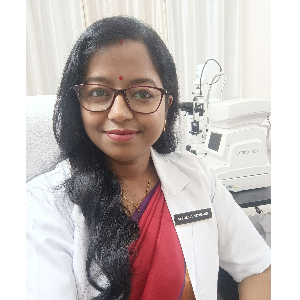
Dr Swati Tomar

Verified

MBBS, MS - Ophthalmology

Ophthalmic surgery
SwaNetra Eye Hospital · Jaipur, Rajasthan

Dr. Swati Tomar is a Ophthalmologist/ Eye Surgeon in Adarsh Nagar, Jaipur and has an experience of 20 years in this field. Dr. Swati Tomar practices at SwaNe…

Consultation fee₹400

MBBS, DOMS

Ophthalmic surgery
Mittal Eye Care Centre · Sangrur, Punjab

Dr. Vaibhev Mittal's experience is coupled with genuine concern for his patients. All of his staff is dedicated to your comfort and prompt attention as well.…

1 Award
Consultation fee₹300

Senior Ophthalmologist

Ophthalmology
Neelam Eye Hospital · Delhi

Neelam eye hospital is located in east delhi, Seelampur area, catering services - Complete eye examination, Advanced Cataract surgery (Phaco/MICS) , Glaucoma…

Consultation fee₹400

Dr Namrata Shree

Verified

MS Ophthalmologist (Consultant and Surgeon)

Ophthalmology Ophthalmic surgery
Bright Eye Care · Silchar, Assam

Highly skilled Cataract (Phaco) surgeon & dedicated Ophthalmologist practicing in Silchar for the betterment of my patients. I have attained multiple trainin…

Consultation fee₹500

Dr Surbhi Arora

Verified

Tamojyoti Netralaya | Dr. Surbhi Arora

Ophthalmology Ophthalmic surgery
Tamojyoti Netralaya · Gurugram, Haryana

Dr. Surbhi Arora Obtained Her Training In The Prestigious & Renowned Shroff Charity Hospital & Has Further Enhanced Her Knowledge & Experience Across Various…

Consultation fee₹900

MBBS, MS - Ophthalmology

Ophthalmic surgery
Delhi

Dr. Amit Vikram Raina is a Ophthalmologist/ Eye Surgeon and has an experience of 14 years in this field. He completed MBBS from Rajiv Gandhi University of He…

MBBS, DNB - Ophthalmology

Ophthalmic surgery
Practo Care Surgeries · Mumbai, Maharashtra +2 more

Dr. Nidhi Thaker is a Ophthalmologist/ Eye Surgeon in Jogeshwari West, Mumbai and has an experience of 11 years in this field. Dr. Nidhi Thaker practices at…

MBBS, MS - Ophthalmology

Ophthalmic surgery
Surya Eye Institute & Research Center · Mumbai, Maharashtra +2 more

Past president, All India Ophthalmological Society (14-15); Maharashtra Ophthalmological Society (95-96); Bombay ophthalmologists' Association (2000-01); onl…

1 Award

MBBS, MS - Ophthalmology

Ophthalmic surgery
Smart Vision Eye Clinic · Mumbai, Maharashtra +1 more

Dr. Seema Behl completed MBBS and MS from Institute of Medical Sciences, BHU Varanasi which is one of the premier Institutes of India. After M.S. for gaining…

1 Award

MBBS, MS - Ophthalmology, DOMS, FCPS- Ophthalmology

Ophthalmic surgery
Opticura Eye Clinic · Mumbai, Maharashtra

An eye specialist, Dr. Janaki Y Kodkani in Bandra West, Mumbai is one of the eminent medical practitioners in the city. Having many years of expertise in the…

1 Award

Showing 1–12 of 1,496

Cataract Surgery doctors by city

What Is Cataract Surgery?

Cataract surgery is a common and safe procedure used to treat cataracts, a condition in which the natural lens of the eye becomes cloudy and affects vision. The lens normally helps focus light onto the retina to produce clear images. When it becomes cloudy, vision may appear blurred, dim, or yellowish. Cataracts usually develop gradually with age but can also occur due to injury, diabetes, long-term steroid use, or genetic factors.

During cataract surgery, the cloudy lens is removed and replaced with a clear artificial lens called an intraocular lens (IOL). This helps restore clear vision and improves daily functioning. Cataract surgery is one of the most frequently performed surgeries worldwide and has a high success rate.

Purpose & Benefits of Cataract Surgery

Cataract surgery helps restore vision and improve the quality of life. Key benefits include:

• Restores clear vision: Removes the cloudy lens and replaces it with a clear artificial lens.

• Improves daily activities: Makes reading, driving, and recognizing faces easier.

• Enhances color perception: Colors appear brighter and more natural after surgery.

• Reduces glare and halos: Helps improve night vision and reduces sensitivity to light.

• Long-lasting results: Artificial lenses usually last a lifetime and do not require replacement.

Who May Benefit from Cataract Surgery?

This procedure may be recommended for people who:

• Have blurred or cloudy vision affecting daily tasks.

• Experience glare, halos, or difficulty seeing at night.

• Need frequent changes in eyeglass prescriptions.

• Have cataracts that interfere with work or independence.

Cataract surgery is suitable for most adults and can significantly improve the quality of life when vision problems become bothersome.

Cataract Surgery Procedure

1. Anesthesia

Eye drops or local anesthesia are used to numb the eye. Patients remain awake but comfortable during the procedure.

2. Small Incision

A tiny incision is made at the edge of the cornea to access the cloudy lens.

3. Lens Removal

The surgeon uses ultrasound (phacoemulsification) or other techniques to break the cloudy lens into small pieces and remove it.

4. Intraocular Lens Placement

A clear artificial lens (IOL) is inserted to replace the natural lens and restore focus.

5. Closure & Recovery

The incision is usually self-sealing and may not require stitches. Recovery begins immediately after surgery.

Duration & Setting

Cataract surgery is typically performed in a hospital or day-care surgical center by an ophthalmologist. The procedure usually takes 15–30 minutes per eye, and most patients go home the same day.

Vision often improves within a few days, though complete healing may take several weeks. Follow-up visits help monitor recovery and ensure proper healing.

Safety, Precautions & Risks

Cataract surgery is considered very safe, but as with any surgery, some risks may occur.

Common After-Effects

• Mild discomfort, itching, or redness.

• Temporary blurred vision during healing.

Possible Risks (Rare)

• Infection or inflammation.

• Swelling of the cornea or retina.

• Retinal detachment.

• Posterior capsule opacification (secondary cataract).

• Increased eye pressure.

Following post-surgery care instructions and attending follow-up visits helps minimize complications.

Frequently asked questions

What is cataract surgery used for?

It is used to remove the cloudy lens of the eye and replace it with an artificial lens to restore clear vision.

Is cataract surgery painful?

No. The eye is numbed with anesthesia, so patients feel little to no pain during the procedure. Mild discomfort afterward is normal.

How long does the surgery take?

The procedure usually takes about 15–30 minutes per eye, and patients can go home the same day.

How soon will vision improve?

Many people notice improved vision within a few days, but full healing may take several weeks.

Are there risks involved?

Serious complications are rare but may include infection, swelling, or retinal detachment. Regular follow-ups help detect issues early.

Will I still need glasses after surgery?

Some patients may still need glasses for reading or distance, depending on the type of intraocular lens used.

Can cataracts come back after surgery?

The cataract itself cannot return, but a condition called posterior capsule opacification may cause cloudiness and can be treated easily.

Who should delay cataract surgery?

People with uncontrolled medical conditions or eye infections may need treatment before undergoing surgery.

Chat Support