Introduction
ACL reconstruction surgery is a common knee surgery that fixes a torn anterior cruciate ligament (ACL). The ACL is a strong band of tissue inside the knee that helps keep the shin bone (tibia) and thigh bone (femur) stable when you move, walk or run. If the ACL tears, usually from sports, accidents, or sudden twisting movements, the knee can feel unstable, cause pain, and make it hard to walk properly. Surgery aims to rebuild this ligament so the knee becomes stable again and you can return to normal activities.
This surgery is not just for athletes; anyone with a complete ACL tear and knee instability may need it. Most patients go home the same day or the next day after surgery, but recovery and rehabilitation continue for many months. A full recovery requires time, careful rehabilitation, and guidance from health professionals.
Who May Need ACL Reconstruction Surgery?
ACL reconstruction may be recommended for people who:
- Have a complete tear of the ACL confirmed by MRI or clinical exam
- Feel knee instability or “giving way” during walking or activity
- Have ongoing pain, swelling, or weakness after the injury
- Want to return to sports or active lifestyle that stresses the knee
- Have other knee injuries like meniscus or cartilage damage
- Do not improve with physical therapy, bracing, or rest
- Are young or active and need a stable knee for daily life and sports
A doctor must assess each case carefully before deciding if surgery is the best option.
Types of ACL Reconstruction
ACL reconstruction may vary slightly depending on the graft chosen and surgical technique, but common types include:
1. Autograft
This uses a tendon from your own body, usually from the hamstring, patellar tendon, or quadriceps tendon. It is the most commonly used graft.
2. Allograft
This uses tissue from a donor. It avoids an additional incision for graft harvesting but may have different healing times depending on age and activity level.
3. Arthroscopic Reconstruction
Most ACL surgeries today are done with arthroscopy, where small cuts and a camera help the surgeon place and secure the new ligament accurately.
Each type has benefits, and the choice depends on age, activity level, other injuries, and surgeon preference.
ACL Reconstruction Procedure
ACL reconstruction is generally done in a hospital or surgical centre under general anaesthesia (you are asleep) or a combination of anaesthesia and nerve block.
1. Preoperative Assessment
Doctors confirm the tear with an MRI or X-ray and discuss anaesthesia options, graft selection, and what to expect during recovery.
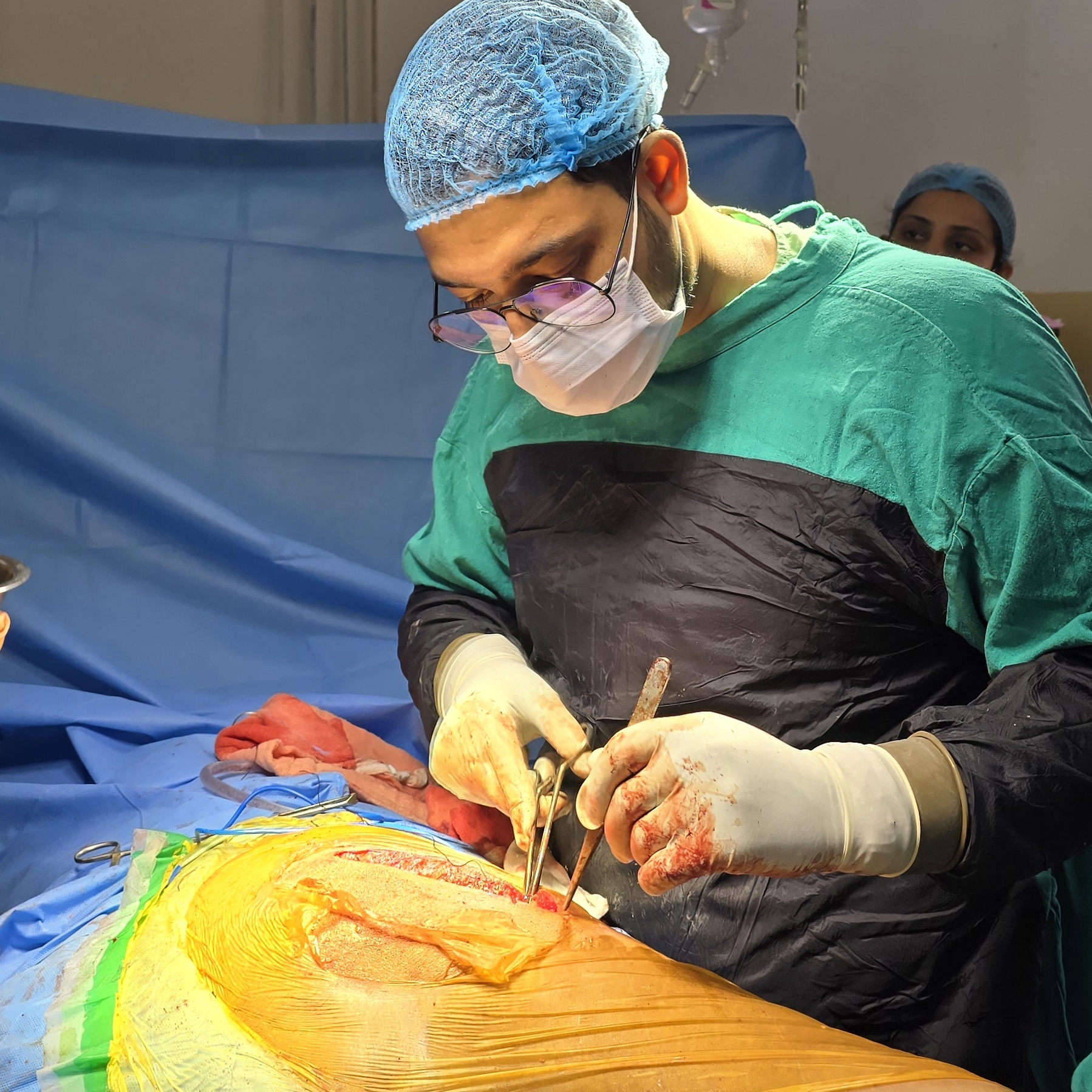
2. Surgery
- Small incisions are made around the knee for the camera and instruments.
- The torn ACL tissue is removed.
- Bone tunnels are drilled in the femur and tibia.
- The graft tendon is placed in these tunnels and fixed with screws or other devices.
- The surgeon checks knee movement, closes incisions, and applies dressings.
3. Immediate Recovery
Most people return home the same day or the next day. The knee may be wrapped and supported with a brace. Crutches are often used for the first few days or weeks.
4. Rehabilitation Begins
Physical therapy starts soon after surgery. Early exercises focus on reducing swelling and regaining knee motion. Over the next weeks and months, therapy progresses to strengthening, balance training, and sport-specific activities.
Recovery & Aftercare
ACL reconstruction recovery is a long process, often 9–12 months before a full return to sports or high-level activities.
Early recovery stages (first few weeks):
- Reduce swelling with ice and rest
- Use crutches as advised
- Begin gentle range-of-motion exercises
Middle stages (1–3 months):
- Increase knee movement
- Start muscle strengthening
- Progress to more weight-bearing activities
Later stages (3–9+ months):
- Focus on functional strength and stability
- Sport-specific training for athletes
- Final return to running, jumping, cutting when cleared by doctor and therapist
Follow your doctor’s rehabilitation plan carefully. Faster return without full healing increases the risk of re-injury.
Risks & Possible Complications
ACL reconstruction has a high success rate, but like all surgeries, it carries some risk. Possible issues include:
- Infection at the surgical site
- Bleeding or blood clots
- Nerve irritation or numbness around incisions
- Knee stiffness or limited motion
- Graft failure or re-tear
- Persistent pain or swelling
- Scar tissue formation
- Rare risks from anesthesia
Physical therapy and careful follow-up help reduce these risks and support better outcomes.

 Orthopedics
 Orthopedic Surgeons
 Orthopedic Spine Surgeons




 General Physician
 Sports Medicine

 Internal medicine