What You Should Know About The Insulin Sensitivity Factor?
On this page
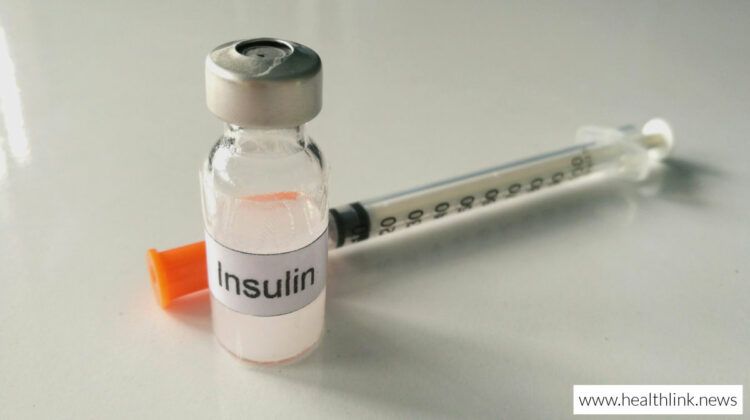
As you get older, your body gets less sensitive to insulin, the hormone that helps process glucose in the bloodstream. This condition is called insulin resistance and it is a precursor to diabetes. High blood sugar is a dangerous and scary condition. It can lead to heart disease, kidney failure, eye damage, nerve damage, and even death. A lot of people who have diabetes do not know that there is a simple way to control high blood sugar levels. This book will help you figure out if this is something that you need to do or not.
As a diabetic, you are more susceptible to insulin sensitivity factors. Your sensitivity goes up and down based on many factors including time of day, food intake, meals, and exercise.
In both forms of diabetes, your body is unable to use the insulin it makes properly. This can cause high blood sugar levels. By taking insulin appropriately and monitoring what you eat and do for exercise, you can keep your blood sugar levels within a good range to help prevent diabetic complications.
This insulin sensitivity factor is a number that tells you how much insulin to use when you inject. It allows people with diabetes to get the right amount of insulin for their bodies.
If you are diabetic, you need to know your insulin sensitivity factor. If your doctor is not helping you figure this out, get another doctor to help you.
The Insulin Sensitivity Factor
The insulin sensitivity factor is the amount of time it takes for your body to absorb the insulin to have an effect. The fact that each person’s body and metabolism are different is why some people require insulin to control their blood sugar levels compared to others. You will need to find out your insulin sensitivity factor by doing a test before starting regular insulin medications.
To avoid hypoglycemia, it is crucial to get your insulin factor right. When you take a high dose that makes your blood sugar drop too low, you may develop hypoglycemia. It happens when the blood sugar levels fall below 70 milligrams per deciliter. The condition is dangerous and can lead to seizures or loss of consciousness.
If you take a dose of insulin that is too low, it may not help stabilize your glucose levels. The result is a condition known as hyperglycemia, which can cause severe complications over time.
These complications can have adverse effects on your:
Eyes: Peripheral neuropathy (nerve damage in the feet), cataracts, and macular edema (swelling of the nerve layer at the back of your eyes).
Kidneys: Nephropathy (damage to kidney cells), polycystic kidney disease, proteinuria (protein in urine), hypertension, and failure.
Insulin sensitivity varies from one person to another and is dependent on many factors. It is important to know exactly which dose of insulin you need at any given time because it can make the difference between keeping your blood glucose levels in check or not. For example, if you do not take enough insulin before a meal or snack with carbohydrates or protein, you may get high blood glucose levels after eating. If you take too much insulin before a meal or snack with carbohydrates or protein, you could end up experiencing low blood glucose levels after eating.
So how do you calculate your insulin sensitivity?
There are two methods: the glucose absorption test, and the euglycemic-hyperinsulinemia clamp. It is important to note that there is no perfect way to determine your insulin sensitivity factor because factors relating to genetics and diet can alter outcomes.
Regular insulin is a synthetically produced drug that a patient injects into the body to help the body process sugar. It comes in three forms: lispro, apart, and Insulin glulisine. Each type has a different onset time (the amount of time until the medication starts working) from when it is injected into the body, but all types work for about six hours before becoming ineffective. Regular insulin comes in three forms:
- An injectable solution
- An inhalable powder
- An intravenous solution
Your insulin sensitivity factor is the best way to know how much your blood sugar will drop after you take a unit of regular insulin. If you divide your recommended daily dose of regular insulin into 1500, you will get your insulin sensitivity factor. For example, if your recommended daily dose of regular insulin for diabetes is 30 units, this tells you that one unit of regular insulin lowers your blood sugar by about 50 mg/dl.
Short-acting insulin works quickly and should be taken 30 minutes before a meal. It begins to lower your blood glucose levels within 30 minutes after an injection, and it reaches its maximum effect between two and five hours later.
The 1800 rule is a method doctors use to determine the insulin sensitivity factor of short-acting insulin. By dividing the number of units, you take by 1800, they can determine your insulin sensitivity level. If you take 30 units daily, this will put your insulin sensitivity level at 1:60. This means that one unit of short-acting insulin will decrease the amount of sugar in your blood by about 60 milligrams per deciliter.
When to Take Insulin Sensitivity Factor Test?
Your body releases insulin in different amounts throughout the day. The best time to test your insulin sensitivity factor is during a fasting state. This is usually the first thing in the morning before breakfast, however, some people may prefer to test their fast levels at midday as well.
- If your blood glucose level rises at least 50 milligrams per deciliter above the target level and remains above the target for 2 hours, it is time to test your insulin sensitivity factor or ISF.
- When you have not eaten for four hours, your insulin sensitivity factor is at its lowest point. Therefore, a blood sugar test usually is not accurate until after you have eaten.
- A good time to test your insulin sensitivity factor is four hours after your last meal before you have anything else to eat or drink.
- If you have not eaten for four hours, or your last dose of bolus insulin was four hours ago and have not eaten since you need to test your insulin sensitivity factor.
Do not test for the insulin sensitivity factor when you have been diagnosed with type 1 or type 2 diabetes or when your fasting plasma glucose is above 126 mg/dl.
- You may have experienced symptoms of hypoglycemia, including sweating, shakiness, and nervousness, if you have had periods of low blood sugar levels (hypoglycemia), you are sick, or have an infection. These symptoms are a result of the release of stress hormones when blood glucose levels become too low.
- If you are experiencing any of those situations, or others like them, you might feel confused, hungry for sweets, and lethargic. The reason for this could be a low blood sugar level. Go to the nearest convenience store, buy a drink, and try it out.