Side Effects of Rice Water on Face 2026 Updated
On this page
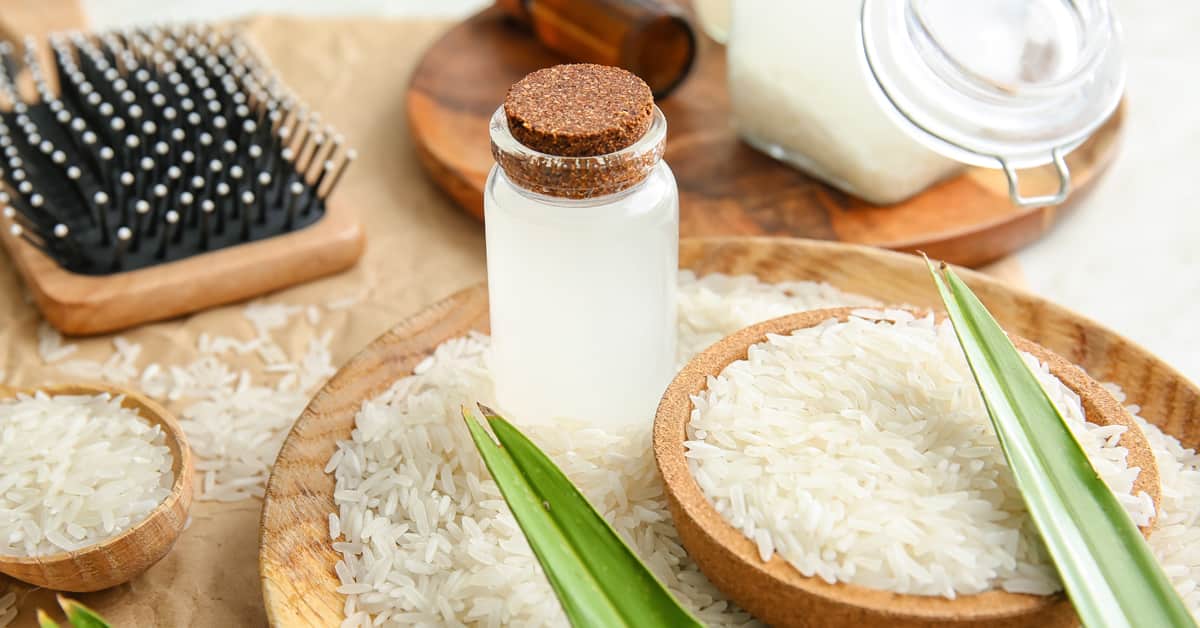
Rice water is often talked about as a simple, natural solution for glowing skin. I’ve seen many people around me use it regularly—some swear by it, while others quietly stop after facing skin problems. Because it comes from something as common as rice, it’s easy to assume it’s completely safe. But from what I’ve observed, that’s not always the case. Over time, I’ve noticed that rice water can work differently on different skin types. While it may suit some people, others—especially those with sensitive or acne-prone skin—can experience side effects that often go unnoticed or ignored at first.
Is Rice Water Actually Safe for the Face?
From my understanding and observation, rice water is not dangerous by default, but it’s also not something everyone should use blindly. Facial skin is far more delicate than we realise, and it reacts faster to home remedies. Things like how often you apply rice water, whether it’s fermented, and how long you leave it on your face make a big difference. Problems usually start when rice water is treated like a daily skincare product instead of an occasional remedy.
List of side effects of applying rice water on the face and skin:
1. Allergic reactions on the face and skin:
When you apply rice water on your face and skin, the starch tends to remain on the skin, which can lead to dryness of the skin. Allergies happen as the skin’s reaction to the extracts of rice water. If you are a person with sensitive skin, you are most likely to develop allergic reactions and rashes because these are some of the most common reactions that one can experience after applying rice water. Besides these, many people may have skin allergies to rice or to additives that are generally used during soaking or processes like fermentation of rice. The major symptoms that one may develop as a result of this can be the following:
Redness, rashes, and bumps on the skin
Feelings of irritation, itchiness, and a stinging feeling
Swelling that develops around the areas of the eyes and mouth.
Apart from this, applying rice water on your face and skin can be more worsening for those who already have a medical history of having skin allergies or people whose skin is sensitive to grains. So, it is advisable to either consult an expert before use or to take a test - apply a few drops of rice water on your hand, places like the inside of the arm, or on your skin surface, check whether you are developing side effects or allergic reactions. If there are no such signs of discomfort on the skin, you are good to use rice water.
2. Skin becomes dry and flaky:
Other than developing allergic reactions on your skin, applying rice water on your skin and face can make your skin rough, dry, and flaky, especially if it is kept on the skin for a long time.
The starch components that are present in rice water extracts can help to dry out the excess amount of oil from the skin, but the skin simultaneously loses all its moisture. Moreover, the skin becomes dehydrated after excessive application of rice water because the starch in rice water can wash away the hydrotropic layer from the skin surface,
So, if you keep on using rice water for longer periods, your skin and face are likely to become drier, and as a result, may appear more flaky. The dryness symptoms appear in the following ways:
Fine lines and wrinkles start developing along with a faded patch
Skin has a flakiness and feels peeling, especially in certain specific areas of the face, like the nose and areas surrounding the mouth.
Squeezes or feelings of a tight sensation that develop after you start applying rice water.
So, to reduce the risks of developing such types of dryness as a result of applying rice water excessively, try applying it once or twice a week, or moisturize your face after you have used this.
3. Disbalance of the natural pH levels of the skin:
Putting on excessive amounts of rice water on your skin can lead to disturbances in the natural pH levels of the face and skin. In general, the skin’s pH is slightly acidic in nature, so it is important to maintain a balanced pH level to keep the skin healthy. On the contrary, when rice water gets fermented, its pH turns slightly alkaline, which is opposed to the natural pH of the skin. So, applying rice water can disturb the balance of the pH in the following ways:
Disturbances in pH levels lead to redness or irritation, especially in delicate and sensitive skin
Expanded responsiveness of skin, and may become more delicate, and have a stinging or disturbance
Problems in pH levels can disrupt the skin’s natural barriers.
4. Increased formation of acne:
When you are facing side effects of using rice water, one of the most common symptoms may be when you see an acne flare-up or sudden acne breakouts that are not due to any hormonal causes.
This is particularly frequently found among those who have sensitive skin. This happens because when rice water undergoes the fermentative process, there is an increased synthesis of yeast and bacterial activities, which can lead to more clogging of pores or worsening the acne breakouts. Some of the common symptoms of such types of acne breakouts may include the following:
The occurrences of cystic or inflammatory acne due to a lack of natural protective barriers
Appearance of small, red pustules or whiteheads on the skin and face.
5. Photo or light-sensitivity of skin:
Though rice water is considered to be a mild exfoliant, it can significantly increase photosensitivity or light-sensitivity among people, mostly for those who have sensitive skin. Some of the major signs of light-sensitivity that can develop as a result of the excessive application of rice water on the skin can be listed below:
Risks of hyperpigmentation resulting in the formation of dull spots
Expanded sun exposure can also be harmful to the skin
Chances of sunburn when the face turns red quickly and starts to peel
Chances of developing wrinkles and decreased skin versatility
So, to protect the skin from light sensitivity, especially the face, it is highly advisable for you to put on a sunscreen with a higher count of SPF count for better sun protection.
A Personal Safety Note
This article reflects my understanding and observations and is meant for general information. Skin reactions vary from person to person. If you experience burning, itching, or rashes, it’s best to stop using rice water and consult a dermatologist.
Conclusion:
Rice water isn’t a miracle solution—and it isn’t completely useless either. Some people notice mild benefits, while others deal with dryness, irritation, or acne. In my experience, the difference usually comes down to skin type, frequency of use, and expectations . If you decide to try rice water, use it occasionally, pay attention to how your skin reacts, and don’t ignore warning signs. When it comes to skincare, being cautious is always better than experimenting blindly.
Author

Bidiptaa Sen
MA in Mass Media and Communication, Jadavpur University With 3.5+ years of experience in writing marketing and SEO content on healthcare and wellness, I write articles that help people to get an idea regarding medicines that are prescribed, how to improve their wellness care and educate people how to choose accurate health facilities. My communication skills, depth of knowledge in media management and strategic methods for better social media engagement and improving readers' experience through extensive research on the healthcare scenario.
View profile