Dermatologist for Hydrated and Beautiful Skin
On this page
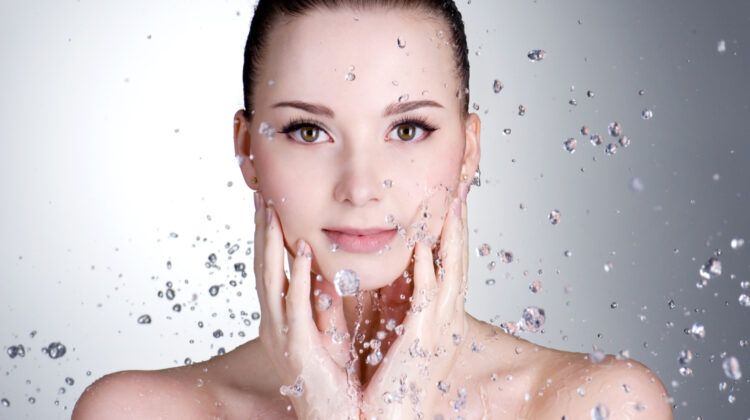
Maintaining hydrated and beautiful skin is a desire shared by many individuals. While a consistent skincare routine is essential, regular visits to a dermatologist play a crucial role in achieving optimal skin health. This article explores the frequency of dermatologist visits for hydrated and beautiful skin, the benefits of skin hydration, and the number of moisturizers one should use. By understanding these aspects, individuals can enhance their skincare practices and achieve their desired skin goals.
How often should you visit a dermatologist for healthy and glowing skin?
Visiting a dermatologist regularly is important for maintaining hydrated and beautiful skin. While the specific frequency may vary depending on individual factors, a general guideline is to visit a dermatologist at least once a year. However, certain factors may necessitate more frequent visits. For example, individuals with specific skin conditions, high-risk factors (such as a family history of skin cancer), or concerns related to hydration and beauty may benefit from more frequent check-ups.
Regular visits to a dermatologist offer several advantages. Firstly, they allow for the early detection of skin conditions. Dermatologists are trained to identify and diagnose various skin conditions, including skin cancer, at their initial stages. Early detection increases the likelihood of successful treatment and can potentially save lives.
Secondly, dermatologists provide personalized skincare advice. They possess the expertise to analyze skin types and conditions, enabling them to offer tailored advice on skincare products, routines, and treatments. This personalized guidance can lead to more effective results and minimize the risk of adverse reactions.
Lastly, dermatologists can provide treatments for various skin conditions. From acne and eczema to psoriasis and rosacea, dermatologists are equipped with the knowledge and tools to address a wide range of skin concerns. Regular check-ups allow for the evaluation of treatment progress and adjustments as needed.
What Does Skin Hydration Do?
Skin hydration refers to the water content within the skin cells, particularly in the outermost layer called the stratum corneum. Adequate hydration is essential for maintaining the health and function of the skin. When the skin is properly hydrated, it offers numerous benefits:
- Moisture Retention: Well-hydrated skin has a better ability to retain moisture, leading to improved elasticity and suppleness. This helps prevent dryness, flakiness, and the formation of fine lines and wrinkles.
- Enhanced Barrier Function: Hydrated skin maintains a strong and intact skin barrier, which serves as a protective shield against external aggressors such as pollutants and irritants. A healthy skin barrier reduces the risk of skin infections, irritations, and transepidermal water loss.
- Improved Skin Tone and Texture: Proper hydration contributes to a more even skin tone and smoother texture. Hydrated skin appears plumper, healthier, and more radiant, with a reduction in roughness and dullness.
Does Hydration Make Skin Beautiful?
Yes, hydration plays a crucial role in achieving beautiful skin. Well-hydrated skin tends to look more youthful, vibrant, and glowing. Here are some ways in which hydration contributes to skin beauty:
- Minimizes the Appearance of Fine Lines and Wrinkles: Dehydrated skin is more prone to the formation of fine lines and wrinkles. By maintaining optimal hydration levels, the skin appears smoother and plumper, reducing the visibility of these signs of aging.
- Enhances Skin Radiance: Hydrated skin reflects light more effectively, resulting in a natural glow and improved luminosity. This can make the skin appear more youthful and vibrant.
- Improves Skin Texture: When the skin is properly hydrated, it becomes softer and smoother to the touch. Hydration helps to minimize roughness and promotes a more refined skin texture.
- Supports Skin’s Natural Healing and Renewal Processes: Adequate hydration supports the skin’s ability to repair and regenerate itself. It aids in the healing of wounds, reduces inflammation, and supports a healthy turnover of skin cells, resulting in a more youthful and rejuvenated appearance.
How Many Moisturizers Should One Use?
The number of moisturizers an individual should use depends on various factors, including skin type, climate, and personal preference. Here are some guidelines to consider:
- Skin Type: Different skin types have varying hydration needs. Those with dry skin may require a richer moisturizer or multiple layers of hydration to address their skin’s moisture needs. Combination or oily skin types may opt for lighter moisturizers or use targeted hydration products on specific areas of the face.
- Climate: Climate plays a significant role in determining the level of hydration required. In drier and colder climates, the skin tends to lose moisture more rapidly, necessitating the use of heavier moisturizers. In contrast, in humid climates, lighter moisturizers or hydrating serums may be sufficient.
- Personal Preference: Some individuals prefer a simpler skincare routine with a single moisturizer that meets their skin’s needs, while others may find that using multiple products, such as a hydrating serum and a moisturizer, provides better results. It is important to listen to your skin’s needs and adjust your routine accordingly.
The key is to find a moisturizer or combination of products that effectively hydrate the skin without causing any adverse reactions. Consulting with a dermatologist can help determine the most suitable moisturizer(s) based on an individual’s specific skin concerns and needs.
Regular visits to a dermatologist are crucial for maintaining hydrated and beautiful skin. Skin hydration offers numerous benefits, including moisture retention, enhanced barrier function, and improved skin tone and texture. Proper hydration contributes to the overall beauty of the skin by minimizing the appearance of fine lines and wrinkles, enhancing skin radiance, and improving skin texture. The number of moisturizers to use depends on individual factors such as skin type, climate, and personal preference. By understanding the importance of skin hydration and seeking guidance from a dermatologist, individuals can optimize their skincare routines and achieve healthy, hydrated, and beautiful skin.