Postpartum Care: What You Need To Do During This Time?
On this page
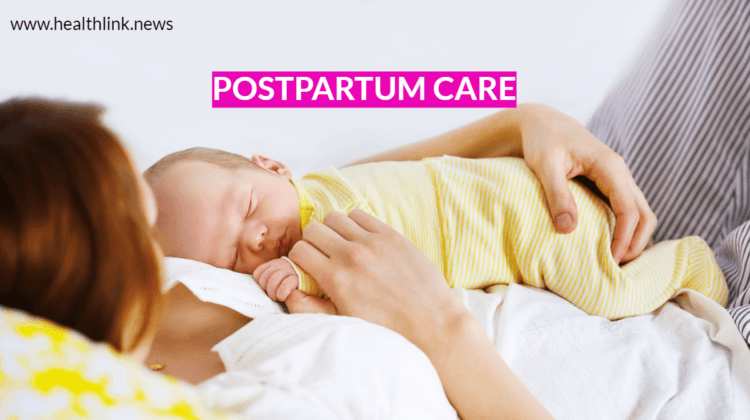
After giving birth to the baby, and coming back to your home, the one and only thought that would twirl the mother’s mind would be about her baby. She would be thinking of ways to take care of her newborn, collecting all the information she needs to know, going through magazines and articles, and would be all ready to face her upcoming future.
The first six weeks after childbirth are referred to as the postpartum phase. This is a happy time for all mothers, but it is also a time of adjustment and healing. You will bond with your baby and have a post-delivery visit with your doctor during these weeks.
It is normal to believe that once you have had your baby, your work is done. You might be thinking all the harder parts are done and you would have finally gotten your hands on your infant. You may believe that your mind and body will normally return to how it was and that you will be free of the various possible pregnancy discomforts and symptoms. You would then wonder whether pregnancy and its hard parts are over. No, not at all. This is the stage where you have successfully entered the fourth trimester, which is characterized by intense and sometimes lengthy postpartum periods.
What happens during this period of postpartum?
This postpartum experience varies from one woman to the next. Every woman’s experience is unique and different. While some people feel fantastic physically just after giving birth, others may be quite exhausted, unable to function, and want to rest a lot.
During this period, some moms start feeling a lot more astonished, surprised, angry, lonely, unseen, and blown away, as well as feel euphoric and in love. It is quite normal for any mom to experience any of these emotions. It is also natural to have diverse feelings from one day to the next, or even as minutes pass by.
However, many new moms have also been caught off guard by a variety of physical and mental symptoms during this time. The majority of women are unprepared for a little bit of additional, typical (and natural) postpartum symptoms.
Self-doubt, frustration, bleeding, constipation, mood swings, night sweats, nipple soreness, breast engorgement, baby blues, and nursing difficulties are all symptoms that can occur during this period.
The postpartum period can continue anywhere from two to eight weeks after delivery. It can take up to 12 weeks for some people. This timescale is unique to each new mother and is determined by several factors, including medical history, pregnancy or birth problems, support availability, and living circumstances.
Hormones are raging during this time, which is why many new moms are sad, tense, and feel like they cannot do anything correctly. This emotional upheaval is commonly referred to as baby blues. When it lasts longer than a week and interferes with daily activities like showering, eating, and getting out of bed, it is more than just baby blues. So, then make sure you visit your doctor.
What is postpartum care?
Through this happy moment in your life, you may also face some physical and mental difficulties. To ease this, and make yourself feel better, you need to give time, put effort, and take care of yourself too.
Get as much sleep as you can. All you may be able to do is eat, sleep, and look after your kid. And that is completely fine with the others. Spotting or bleeding, something that looks like a menstrual cycle, will occur on and off for up to six weeks.
You may also have leg and foot swelling more often. Constipation and menstrual-like discomfort are also quite common. You can have milk flowing from your nipples even if you are not breastfeeding, and your breasts may feel full, painful, or uncomfortable.
For the next few weeks, follow your doctor’s advice on how much exercise you can perform, such as climbing stairs or walking.
Doctors normally advise that you avoid sexual activity for four to six weeks after giving birth.
What do You need to do during this time?
There are a lot of things that need to be done in the fourth trimester. For at least the first six weeks after giving birth, most new mothers do not return to work. This gives you all the time to adjust and create a new normal world. You may have sleepless evenings since a baby has to be fed and changed frequently. It can be aggravating and exhausting. The good thing is that you will get into a routine eventually. In the meantime, here are some things that you can do to make the move go more smoothly and make yourself feel better:
- Get a good night’s sleep
To deal with all the exhaustion and fatigue you have been having, get as much sleep as possible. Your infant may need to be fed every two to three hours. So, sleep when your baby naps to ensure you too are receiving an adequate amount of rest.
- Seek and accept help
Even if nobody has offered to help you out, you can always ask for it. There is most definitely no need to be hesitant to accept aid from family and friends during and after postpartum time. Your body requires a lot of relaxation, and practical assistance around the house can help you achieve that kind of rest. Friends or family members can help make meals, run errands, or even help to look after the other kids in the house.
- Consume a lot of nutritious foods
Maintaining a nutritious diet is always best to help with your recovery. Consume more whole grains, veggies, fruits, and protein, and make sure to add them to your diet. Increase your fluid intake as well, especially if you are breastfeeding.
- Start exercising today
When it is safe to exercise, your doctor will let you know. It should not be a hard, uncomfortable, or strained exercise. Do simple things, like taking a tour around your neighborhood, etc. A change of location is always energizing and might also help you feel a lot more energized.
Here is a list of things you may do to feel better after giving birth:
Let us call this your postpartum care checklist.
- Try your best to keep visitors to a minimum, and to choose a less noisy crowd, so that you and the baby can take plenty of rest.
- Accept assistance with household duties, like cleaning and food preparation.
- For faster recovery and healing, follow your doctor’s instructions.
- To avoid leg edema or swelling in your legs, keep your feet elevated and high from ground level. You can keep your feet lifted on a table or stool.
- To ease the vaginal soreness you have, soak yourself in a warm bath.
- If you are worried about your stretch marks, know that they can be faded with creams or lotions.
- Make sure you consume a healthy diet rich in fruits, vegetables, and whole grains.
- To ease the aching in your breasts, wear a supportive bra.
- Try using nipple cream for sore nipples if you are breastfeeding.
- If you are not breastfeeding. Make sure you enquire with your OB about your breast care.
- If you need to avoid constipation, drink enough water and eat plenty of fiber.
- Make an appointment with your doctor for a follow-up visit.
- Do not strive too hard to lose all your baby weight rapidly; instead, get rid of it carefully and slowly.
- Talk to a friend or family member if you are feeling sad. Do not keep anything in your mind for too long. Depression is not an easy phase. So, talk to somebody if you are facing any problems, or feeling down.
- Visit or call your doctor if your sorrow lasts longer than two weeks.
- Take care of yourself so that you may be able to devote more energy to your child.
- Consult your doctor if you are experiencing constipation or hemorrhoids.
- Make time for yourself and seek assistance when you require it.
You need to always keep in mind that you are doing the best you can for your own self and your child. People can keep giving you advice all day, but you, being the mother of your child, have the last say. Trust your instincts and your gut feelings. It is also fine to make mistakes. If you are scared or confused about parenting, know that we are all learning on the job every day. Your child will not lose the love he or she has for you, and you will always be the best and greatest for them.
Have your moment when you are feeling down and harsh on yourself, but do not stay there. Get up and be positive and remember that emotions and hormones are only passing by. It is just another phase, and it will all pass.