What Is IVF & How Does It Work To Make A Baby?
On this page
- What Is In Vitro Fertilization?
- The Infertility Cases That Are Treated By IVF
- Possible Reasons To Undergo In- Vitro Fertilization Or IVF
- The Process Of Performing In- Vitro Fertilization Or IVF
- Stimulation:
- Retrieval of Eggs:
- Insemination:
- Embryo Culture:
- Transfer:
- Complications Related To In- Vitro Fertilization Or IVF
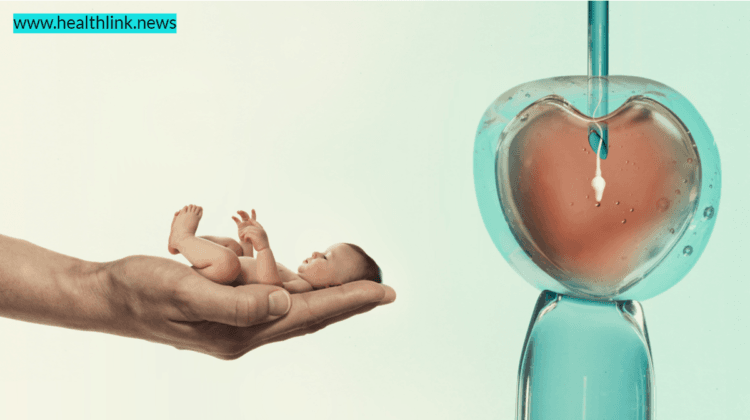
Pregnancy and childhood are matters of joy to a couple and this not only brings a child into their home but also brings along immense pleasure and joy. But sometimes, some couples find it difficult to conceive a baby due to several health issues. So, in those conditions, even if the pregnancy is planned and the couple tries quite a few times to have a baby, they eventually fail.
For those couples who find it difficult to make a baby easily after trying to have sexual intercourse, IVF or in-vitro fertilization is a real boon. This method helps in the effective fertilization of a woman’s reproductive units or eggs with the male reproductive units or sperms. After the egg gets fertilized by the sperm, an embryo is formed, and it grows to form a baby.
What Is In Vitro Fertilization?
In vitro fertilization (IVF) is a unique technique of fertilization of a woman’s eggs using male sperm. It is a type of assistive reproductive technology (ART). This process is only performed when the couple fails to make a successful pregnancy even after trying multiple times. In this process, a woman’s eggs are brought out of the ovaries and then fertilized with her partner’s sperm which gradually forms into an embryo after fertilization. In-Vitro process of fertilization is considered the artificial process of fertilization and a method of external production of an embryo, often commonly referred to according to medical terms as ‘Test- tube baby.’ The newly- formed embryo after fertilization can either be stored by freezing it or can later be transplanted into its mother’s uterus.
IVF is a process that can be executed in a number of ways, but the way that will be appropriate for you will depend on your health condition and the doctor will set what is best for you accordingly. The ways of IVF are as follows:
- Eggs from your uterus and your partner’s sperm
- Eggs from your uterus and sperm from a donor
- Sperms from your partner and eggs from a donor
- Both the eggs and the sperms from donors
- Embryo from a donor
- Implantation of an embryo as a gestational carrier or surrogate
According to several studies and experiments, it has been found that the success rate of IVF varies from one person to the other. It is also suggested by health care experts and some physicians that almost ranges from 41 to 43% of live birth rate for women under the age of 35 which on the other hand lowers down to around 13 to 18 percent for women who are in the age of 40 or above. But nowadays, the concept of IVF has become quite common and various childless couples who have failed to make a baby after trying several times have easily undergone this unique scientifically and technologically advanced technique to have a pregnancy with a considerable amount of success.
The Infertility Cases That Are Treated By IVF
There are several types of infertility cases that can be effectively treated by the method of IVF. Some such health problems and infertility issues can be listed here as follows:
- Low quality of sperms or eggs.
- Reduction in sperm counts of the male partner.
- Endometriosis is a fatal condition where tissues that look much like those in the uterine lining grow somewhere outside the uterus. This condition affects the entire reproductive system and blocks the proper functioning of the uterus, ovaries, and the fallopian tubes, and might cause damage to the embryo and affect its growth.
- Issues in menstruation and proper ovulation in the woman, cause a lower number of eggs that may affect the process of fertilization.
- Imparity of the father’s sperms; is one of the main factors of infertility, which is affected by abnormal size and shape of sperms, which leads to difficulties like proper mobility of the sperm and that finally affects the process of fertilization.
- If either the man or the woman or both have any genetic disorder either in themselves or in the family history.
- Problems of the fertility of either the mother or the father of both.
- If the sperm cannot penetrate or live within the mother’s cervical mucus.
- If the mother has issues in her uterus or in the fallopian tubes, such as any kind of blockage, that might prevent the embryo to travel down the tube’s uterus or may affect the process of fertilization itself.
- If the parents or either of them is about to start a cancer treatment such as chemotherapy or radiation therapy that might damage the health of the embryo and affect the process of fertilization.
Possible Reasons To Undergo In- Vitro Fertilization Or IVF
The main reason people go for an artificial method of IFV is that they want to have a child, but they cannot because of their infertility. Apart from IVF, there are other procedures for having a baby when a couple has issues of infertility too. Couples often try to avoid undergoing the process of IVF because it is an artificial technique that is invasive, and they are too expensive too. But there are some conditions where IVF is to be applied necessarily.
Some of those health conditions are as follows:
- Infertility of both parents.
- Uterine fibroids.
- Decrease in the proper functioning of the uterus, especially in women who are in the age group of 35 to 40 or above.
- If parents have hereditary problems or any acute health problems that might be passed over to the child.
- Infertility of the father is caused by an abnormality of his sperm.
- Previous tubal sterilization or removal, where fallopian tubes are cut or blocked by sterilization. This process permanently blocks the pregnancy.
The Process Of Performing In- Vitro Fertilization Or IVF
There are some important and major steps that are to be followed while an In- Vitro Fertilization technique is performed. Those steps are as follows:
Stimulation:
Stimulation is the first step of IVF where the mother is provided with effective drugs that will increase or ‘stimulate’ her number of eggs and will gradually increase the success rate of the process.
Retrieval of Eggs:
Eggs are retrieved from the mother’s womb through a surgical process. Firstly, anesthesia is performed to make the mother numb and a needle-like tool is used to draw out the eggs from the mother’s vagina that will be used in the process of fertilization.
Insemination:
Semen is a male reproductive substance that needs to be submitted on a petri dish for successful fertilization. It is now time to penetrate the sperms into the eggs to result in successful fertilization. If the process of fertilization does not take place successfully, then the health care professional might need to go for an ICSI (intracytoplasmic sperm injection).
Embryo Culture:
This step is about monitoring and checking the growth, development, and conditions of the baby. Embryo culture is done by a health care expert or your concerned physician to ensure that the growing baby is in good health and has not developed any kind of abnormality. This process also includes further testing and checking of the embryo’s genetic orientations to detect any kind of abnormality in the baby.
Transfer:
When the embryo develops in a good health, with proper size and shape, and shows no health or genetic abnormality, then it is time to transfer the embryo into the mother’s womb with the help of a thin tube-like catheter and gently inserted through the mother’s vagina. This normally occurs three to five days after fertilization. Implantation involves inserting a thin tube called a catheter inserted into your vagina. It now passes through the mother’s cervical region and then travels to the mother’s uterus and finally declares her pregnant.
Complications Related To In- Vitro Fertilization Or IVF
Though otherwise safe, there might occur some problems and aftereffects if anyone undergoes the artificial method of IVF. These complications mostly occur to the mother when she is carrying the baby. Some of these complications can be:
- Higher chances of miscarriage
- Ectopic pregnancy is characterized by a fatal condition in the pregnancy when the baby grows somewhere outside the mother’s uterus
- Chances of low birth rate or premature birth if the mother has twins or triplets, that is multiple pregnancies
- Risks of developing Ovarian Hyperstimulation Syndrome (OHSS), when there occurs excessive fluid in the chest and abdomen, but rare in occurrence
- Problems in bowel movement and bladder-related disorders, lead to infections, bleeding, and severe damage.