Exercise During Pregnancy: Is It Safe?
On this page
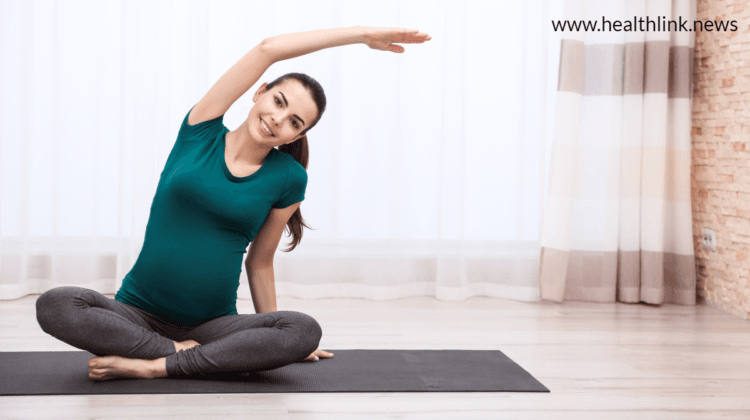
Women can and should be physically active during their pregnancy. So, if you think pregnant women cannot or may not be able to exercise, it is high time you know that is not true. According to the current Physical Activity Guidelines, regular physical activity will help you and your baby gain proper weight.
- It reduces back pain, leg cramps and bloating
- Helps in reducing the risk of gestational diabetes (diabetes during pregnancy)
- Reduce the Risk of Postpartum Depression
There is also some evidence that physical activity increases the risk of problems during pregnancy. Or Caesarean section).
If you were physically active before pregnancy, you may not need to change your exercise habits. Talk to your doctor about changes in exercise habits during pregnancy. Physical activity can be difficult if you have other kids, have never exercised, and do not know what to do. You can still work it out. You just need to know what to do.
It is important that women start to prioritize exercise and work out during this stage, as you should be physically active during pregnancy. You may be confused about how much and what type of physical activity you need. Most women need the same amount of physical activity as they did before their pregnancy. Aim for at least 150 minutes a week of moderate-intensity aerobic activity. Aerobic activities which are also called endurance or cardio activities use large muscle groups (back, chest, and legs) to increase your heart rate and breathing. Brisk walking is a kind of aerobic activity.
You can talk to your doctor about whether or how you can regulate your physical activity during your pregnancy. If you have health conditions such as obesity, high blood pressure, diabetes, or anemia (fewer healthy red blood cells), talk to your doctor about a level of activity that is safe for you and your baby.
These are some of the best exercises you can do during your pregnancy:
Most exercises can be done safely during pregnancy unless you exercise with caution and overdo it. The safest and most productive activities are swimming, active walking, resting indoor cycling, and low impact aerobics (instructed by certified aerobics instructor). These activities have a low risk of injury, have a positive effect on the whole body, and can continue until childbirth. Tennis and racquetball are generally safe activities, but changes in balance during pregnancy can affect fast movements. Other activities such as jogging and running can be done in moderation. Especially in late pregnancy, it is advisable to choose exercises and activities that do not require much balance or adjustment.
• brisk walking
• mild jogging
• swimming/water aerobics
• recumbent cycling
• prenatal yoga or Pilates
• resistance training with weights and exercise bands
• elliptical trainers and other types of stationary cardio machines
• kegel exercise
Benefits
Exercising every day all throughout your pregnancy will let you live a better life and help in experiencing your best pregnancy. It also can enhance your posture and reduce discomforts like backaches and fatigue. There is proof that it could help in reducing gestational diabetes (diabetes that develops for the duration of being pregnant), relieve stress, and help in increasing your stamina level which is needed for labor and delivery. Additionally, exercising regularly throughout all three trimesters can lessen blood pressure levels, lessen blood sugar levels, decrease cholesterol levels, help in managing your body weight and fat, enhance your quality of life, lessen lower back pain, manage any signs and symptoms of tension and depression, enhance postpartum recovery time, set you up for postpartum fitness.
It is also known to decrease the incidence of preterm birth, cesarean birth, gestational diabetes, hypertensive issues like preeclampsia, and decrease infant birth weight, in women who keep exercising throughout their pregnancy.
Exercises you need to avoid:
If you enjoy the adrenaline rush of contact sports and other intense activities, you need to find new ways to meet that urge for at least the completion of your pregnancy period. Contact sports and other high-risk activities that you should try avoiding during pregnancy include boxing, soccer, basketball, snow ski, racket sports, scuba diving, horse riding, rock climbing, etc.
If this is not your first pregnancy, it is likely that you have experienced swaying and spinning that often hits you in the worst case. It is not uncommon to experience fainting or dizziness because pregnancy affects a woman’s balance and coordination.
Even if you have experience with these forms of exercise, the physical changes associated with pregnancy can be surprisingly effective and your feet can become unstable.
You should avoid exercise during pregnancy if:
Everybody needs to exercise, especially low-impact activities that are generally safe and recommended throughout pregnancy. However, increasing your heart rate or overstressing your body can cause problems. If you experience any of the following symptoms while exercising, it is recommended that you stop immediately and contact your doctor.
- If you feel fainting or dizzy
- Pre-workout chest pain or shortness of breath
- headache
- Especially swelling and pain in the calf muscles
- Bleeding or fluid leaks or vaginal leaks
- Painful regular contractions
In addition, if you have symptoms such as placenta previa after 26 weeks, severe anemia, cervical weakness, preterm birth, preeclampsia, and if you are experiencing a high-risk pregnancy with multiple pregnancies, your doctor should exercise. It may not be recommended.
Here are a few things you need to note while working out:
- Speak about any worries or dangers you might have while working out, with your doctor in your prenatal visit
- Exercise a minimum of half-hour a day, five days a week, for a complete of a hundred and fifty mins every week
- Drink lots of fluids and stay hydrated, and continually have water with you while working out.
- Make sure you keep away from sports that can overheat your body, like warm yoga, mainly throughout the primary trimester.
- Put on supportive clothing
- Do not lay on your back for long, mainly throughout the third trimester
- keep away from high intensity or contact sports
Make sure your exercise program consists of:
For full fitness, an exercise program needs to strengthen and adjust your muscles. Always start with a 5-minute warm-up and a 5-minute stretch. Add at least 15 minutes of aerobic exercise. Measure your heart rate during peak activity (active heart rate can be between 140,160 beats per minute). Follow aerobic exercise with a gradual slow exercise of 5-10 minutes ending with a gentle stretch.
These are some of the basic exercise guidelines:
Wear a loose fit, comfortable clothing, and a solid support bra. Choose shoes designed for the type of exercise you do. Proper footwear is the best protection against injury. Exercise on a flat surface to prevent injury. Get enough calories to meet your pregnancy needs (300 calories per day more than before pregnancy) and your exercise program. Stop eating at least an hour before training. Drink water before, during, and after exercise. After exercising on the floor, stand up slowly and slowly to prevent dizziness. Do not train until you are exhausted. If you cannot speak normally while exercising, you are probably over-exercising yourself and need to slow down your activity.
It is safe to exercise every nine months of pregnancy unless directed by your doctor. However, as you approach the expected date of delivery, certain activities such as running can be a bit annoying or uncomfortable. The key to sticking to a consistent exercise routine is to choose a fun, safe, and comfortable workout. Talk to your doctor if you have any questions or concerns about exercising during pregnancy.