Calories in Dahi - Information and Nutrition Facts
On this page
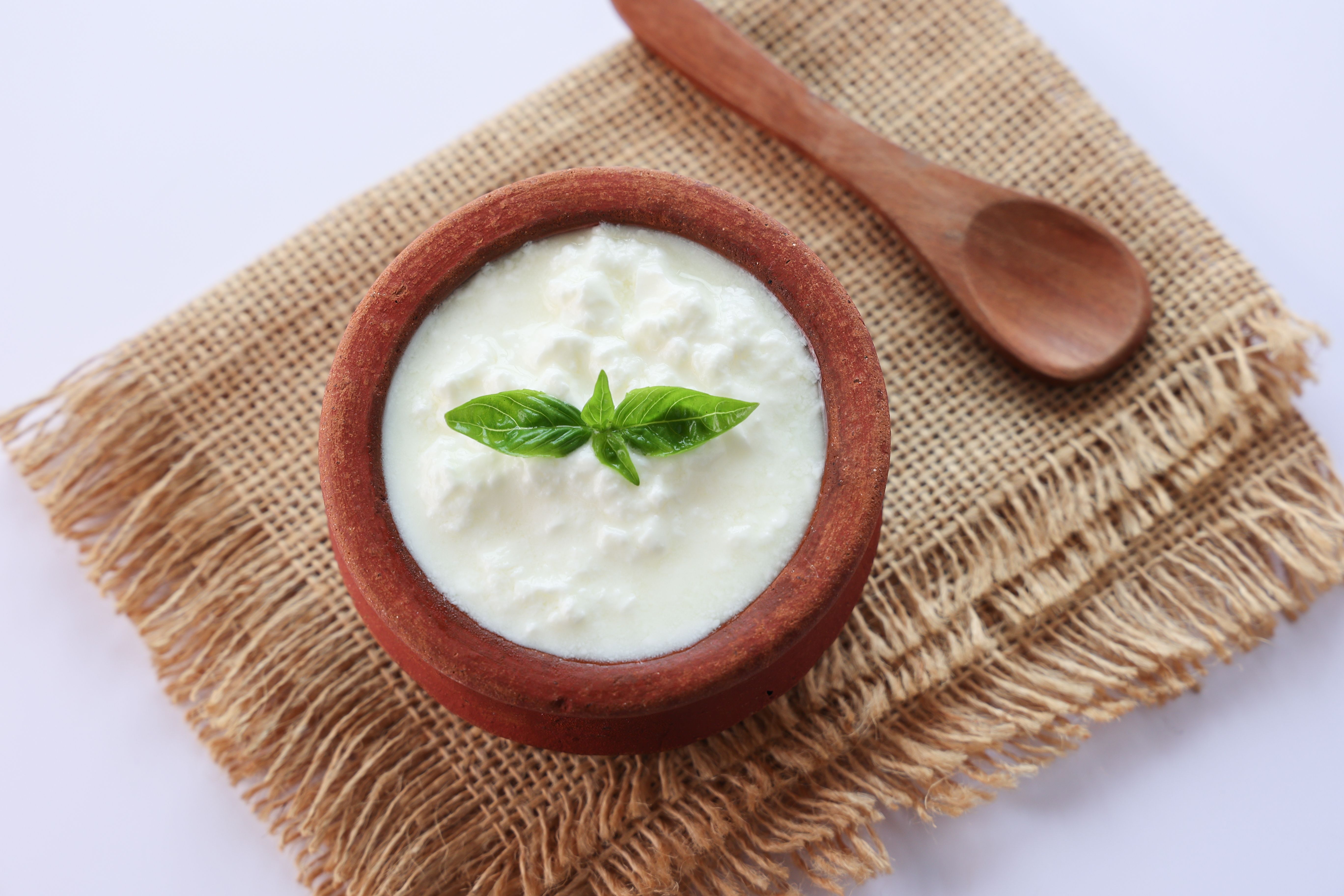
Dahi, also known as curd or yogurt is one of the most preferred natural probiotics that is preferred by many health care professionals. Read this article till the end to get a detailed account of calories and some of the major nutrients found in curd, the health benefits derived from them, and other necessary details.
Calorie content in Dahi:
The net calorie content in dahi can depend on the type of curd that you are having, added flavours in it, the kind of milk that you are using, and other factors. If you are having a bowl of plain, unsweetened dahi containing around 100 grams of portion size, then you are likely to get 90 to 100 calories if the dahi is made from full-fat milk, or 70 to 80 calories when the dahi is made from toned milk, and 55 to 65 calories if you make the dahi from skimmed or low-fat milk.
The calorie content is likely to increase if you make sweet curd or mango curd. Thus, according to many experts, plain dahi is always a healthier option compared to sweetened curd.
Nutritional profile of dahi:
Dahi is always rich in nutrients, especially milk protein, as it is made from milk. Here is a list of nutrients that are found in dahi:
1. Protein
Dahi, being made from milk, is rich in high-quality protein. This protein aids in better muscle repair, immunity, and the synthesis of hormones.
2. Probiotics
Dahi is known to be one of the richest sources of probiotics that can help to improve the health of beneficial gut bacteria and aid in better bowel movement and digestion.
3. Vitamins
Dahi is one of the major sources of vitamins, especially vitamin B complex, such as B12 and riboflavin. All these vitamins are required in the body for healthy energy production and improving the functions of the nervous system.
4. Minerals:
Being made from milk, dahi is one of the major sources of minerals like calcium, which is required for strong bones and teeth. Other minerals in dahi, such as potassium and magnesium, can help to maintain better bone density among middle-aged women.
Health benefits of having dahi:
Having a bowl full of dahi with your meal is not only a part of a balanced diet, but can also result in certain major health benefits. Here is a list of health benefits that you can enjoy from dahi:
1. Better gut health:
Dahi is a probiotic that helps to enhance the health of the gut microbiome, and thus helps to regulate digestion and keep your bowel movements regular.
2. Better immunity:
The major nutrients that are present in dahi can help boost the immune system by preventing the risks of developing any kind of severe disease.
3. Helps in healthy weight management:
When you consume dahi, especially plain (unsweetened) and dahi made from low-fat milk, you are likely to stay full for a longer duration and will be able to reduce the risks of unhealthy snacking, which can help in better weight management.
Which doctor should you consult before consuming dahi?
Curd or dahi is always a healthy choice to add to your balanced diet. In fact, most doctors would usually recommend that you consume dahi after having a meal. But before you start adding dahi to your diet, you need to know whether you can even have curd at all. For this, you need to consult a registered dietitian or a nutrition expert who will be able to tell you how much dahi you can have each day based on your calorie requirements, any limitations or restrictions regarding the consumption of dahi, the kind of dahi that is best for your health, and other details. Moreover, you should also be cautious while having dahi if you have lactose intolerance.
Final Thoughts:
Dahi or curd is a very common food in any Indian household, and it is consumed not only for its incredible taste, but also for its goodness and nutritional benefits. Dahi usually contains some of the most vital vitamins, minerals, and probiotic compounds, and it is low in calorie content as well. The nutrients in dahi can help to provide enough health benefits to the body, such as improving gut bacteria, healthy weight management, supporting better digestion, and so on.
Also Check: Calories in 100 gm paneer - Nutrition & Health Benefits
Authors

Bidiptaa Sen
MA in Mass Media and Communication, Jadavpur University With 3.5+ years of experience in writing marketing and SEO content on healthcare and wellness, I write articles that help people to get an idea regarding medicines that are prescribed, how to improve their wellness care and educate people how to choose accurate health facilities. My communication skills, depth of knowledge in media management and strategic methods for better social media engagement and improving readers' experience through extensive research on the healthcare scenario.
View profile
Sania Thakur
Content writer and marketing professional with strong sales and business skills. Experienced in web content writing, data annotation, and teaching, with a proven ability to craft engaging content and drive audience growth. Background in English Literature and Language Teaching from Aligarh Muslim University. Passionate about communication, branding, and strategic market analysis.
View profile