Medically reviewed by Mrs Farhat Khan
Calories in 100 gm paneer - Nutrition & Health Benefits
On this page
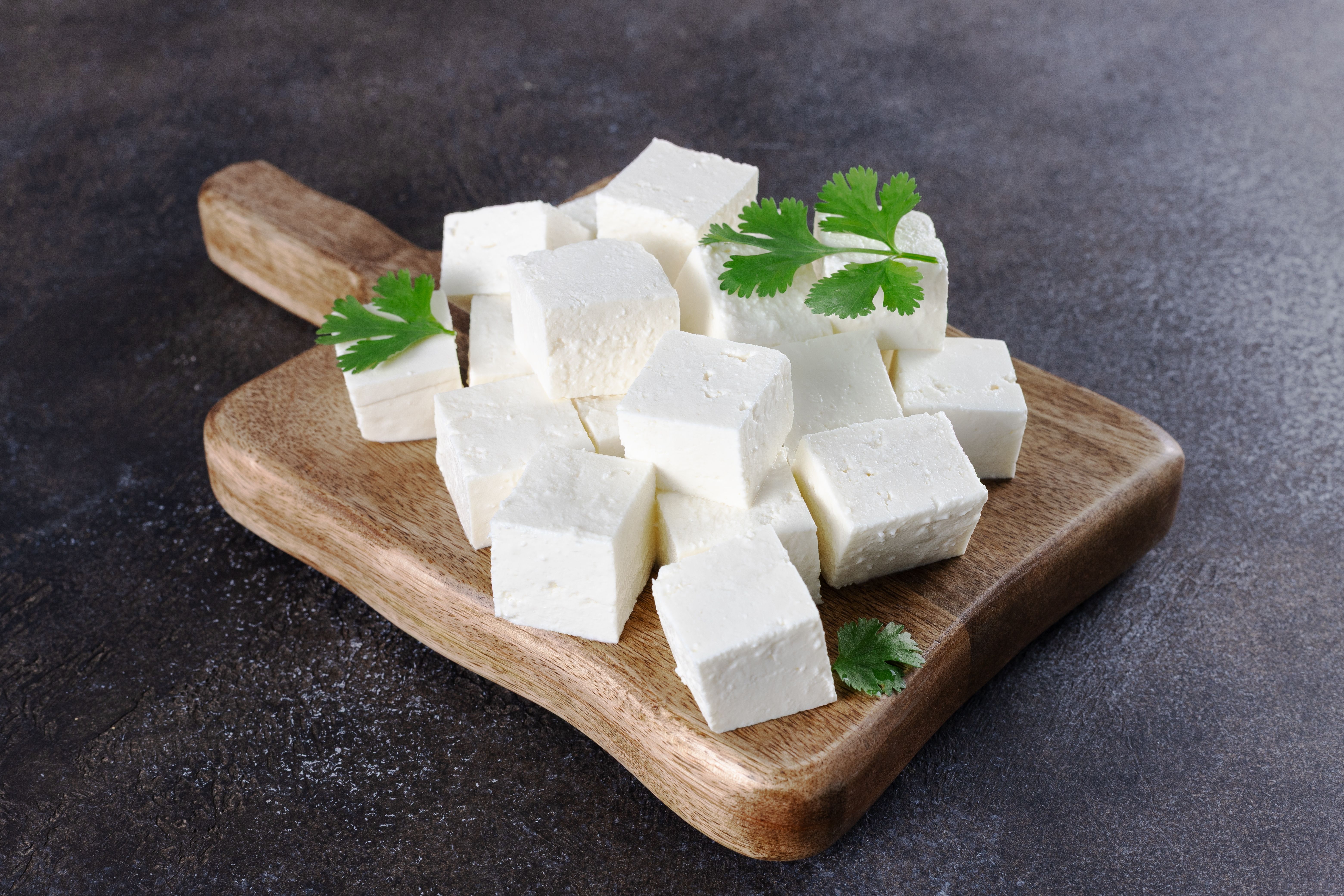
Paneer, also commonly consumed as a form of cottage cheese, is one of the most popular food items that is prepared in an Indian household. It is not only delicious in taste, but being a product of milk, it is rich in protein and several nutritional components that are highly beneficial for your health. There are various types of paneer recipes that are being experimented with in most Indian households, but do you know the calories and nutrients that are present in them?
So, if you wish to have paneer as a part of your balanced diet, it is important for you to be aware of all the nutritional components and calories that are present in paneer. This article will be a perfect guide for you to understand the components in paneer, the health benefits that you can derive from them, along with other necessary details.
Calorie content in 100 grams of paneer:
The net calorie content in 100 grams of paneer made of pure cow milk can vary based on the way you are preparing it, what you are adding to your paneer dish, and most importantly, the type of milk from which the paneer is made. On average, a bowl of 100 grams of paneer may consist of around 260 to 300 calories . The calorie content may sometimes increase to 320 kcal in paneer, depending on the type of milk that is used for making paneer. But these are not simply empty calories; paneer is rich in healthy nutrients that help to provide energy to the body and can also help to improve your overall physiological functioning.
As mentioned earlier, the calorie content in paneer will differ based on the type of milk that is used. For instance, paneer that is made of full-fat milk may consist of around 265 to 321 kcal per 100 grams, whereas the same amount of paneer when made from low-fat milk will have lower amounts of calories, such as 150 to 200 kcal approximately. Many people often have a practice of making paneer at home. Homemade paneer may consist of 250 to 300 calories, depending on the type of milk that you are using for preparing paneer at home.
Nutritional components in paneer:
Paneer, being derived from milk, is rich in essential nutrients that are required for your overall wellness and healthy metabolism. Though the value of the nutrients may differ based on the types of milk used, here is a list of nutrients that one can derive from a bowl of 100 grams of paneer:
Nutrient Amount (per 100g)
Protein 25 g
Fat 22-25 g
Saturated fat
Carbohydrates 3.5 g
Calcium 407 mg
Sodium 18 mg
Potassium 71mg
Apart from these, paneer is also often considered one of the most vital sources of some of the key minerals that are needed in the human body, such as phosphorus, zinc, iron, magnesium, selenium, and so on.
All these nutrients that are present in paneer are beneficial for carrying out important physical activities, such as improving metabolism, supporting bone health, helping in better digestion, controlling high levels of blood pressure, improving heart health, and so on. And it is mostly due to these reasons, according to many experts, that paneer can be considered to be an important addition to your balanced diet.
Health benefits of having paneer in your diet:
Paneer is derived from milk, which means it is stuffed with high amounts of protein, along with some of the most vital vitamins and minerals that are present in milk. So, all these nutrients in paneer are beneficial for better growth, development, and carrying out healthy physical functions. Some of the most common health benefits of having paneer in your diet can be listed here as follows:
1. Paneer can help in better bone health:
Many experts recommend that if you wish to improve your bone health, it is always advisable to add paneer to your diet. Paneer consists of milk protein and calcium, which are beneficial for better bone health. The nutrients in paneer will not only help your bones to become stronger but will also help to increase bone mineral density.
2. Paneer may improve your immunity:
If you intend to improve your immune system, it is important to add milk products like paneer to your diet. This is because paneer is rich in essential vitamins, minerals, antioxidants, and other vital nutrients that can help you boost your immune strength, which can help reduce the chances of developing various types of health disorders. In fact, the nutrients and biologically active compounds that are present in paneer can be beneficial for fighting against malnutrition in children. These nutrients can also act against asthma and various types of disorders related to the respiratory system.
3. Paneer can prevent the risks of bladder stones:
When you consume paneer, you are taking in essential vitamins, minerals, along protein that can help to reduce the risks of developing stones in the urinary bladder. Moreover, the minerals that are present in paneer are known to significantly reduce the risk of developing urinary bladder significantly. More research works and critical studies on the functions of paneer nutrients are required to confirm this claim.
4. Paneer can be beneficial for weight loss:
If you wish to lose your body weight, you can add paneer to your diet plan right away. Many experts are known to recommend this because paneer is low in carbohydrates and overall fat content, which makes it a healthy choice for many to include in their weight loss diet regimen. Moreover, paneer is a major vegetarian source of protein and can therefore become an easier option for your weight loss, that too, in a healthy way.
5. Paneer can help to reduce high blood pressure:
If you are a person who has high blood pressure, then you can add paneer to your diet. This is because the elements such as potassium, magnesium, and calcium can help in regulating and lowering high blood pressure levels.
Which expert should you consult before consuming Paneer?
Paneer is one of the most commonly consumed food items in India and a major derivative of milk. So it is most likely to be healthy. But it is always advisable to consult an expert before you plan to add paneer or different recipes of paneer to your daily diet, so that you can avoid any kind of side effects after having paneer dishes.
It is always advisable to consult a registered nutritionist or a dietitian before you add paneer to your regular diet. This is because, a nutritionist or a diet expert will be able to tell you what kind of milk is good for you to make paneer, the way in which you should prepare paneer to make it healthier, how much paneer you must add to your meals in a day based on the amount of calories that you must consume, whether you need to have paneer at all, and other important details.
Final Thoughts:
Paneer is the most delicious and one of the most commonly consumed dairy products that is cooked in Indian households. It is, in fact, a major vegetarian dish in North India, and in the other parts of the country as well. There are different variations of paneer dishes and recipes all over India. Paneer has a moderate calorie content, so when you are having paneer, you should check the portion size to understand how many calories you are taking in. Other than being delicious, paneer is also filled with a number of essential nutrients, such as milk protein, vitamins, minerals, and so on, that can make paneer a healthy addition to your diet. But before you finally add paneer to your daily diet, it is important to consult an expert or a dietitian to know how much you consume and other related details.
Also Check: Calories in Upma - Nutritional Values & Healthy Benefits
Also Check: Calories in Tea with Milk and Sugar: Information, Nutrients, And More
Reviewer

Mrs Farhat Khan
Dietician
I have a work experience of 7 years. I like to write blogs on health topics, some of my blogs on google are Omega 3 for muscle building, Active rest , Resting heart rate. I have a work experience of 3 years as a clinical & consulting dietician in Gynaecologist hospital & 4 years as a health coach on the Goqii health application.
View profileAuthors

Bidiptaa Sen
MA in Mass Media and Communication, Jadavpur University With 3.5+ years of experience in writing marketing and SEO content on healthcare and wellness, I write articles that help people to get an idea regarding medicines that are prescribed, how to improve their wellness care and educate people how to choose accurate health facilities. My communication skills, depth of knowledge in media management and strategic methods for better social media engagement and improving readers' experience through extensive research on the healthcare scenario.
View profile
Surbhi Singhal
Surbhi is dedicated and self-motivated Ph.D. scholar passionate about Content Creation, Editing, and Teaching. I excel in dynamic environments, thrive on challenges, and am eager to contribute my expertise and enthusiasm in pushing the boundaries of knowledge.
View profile