What Is Tympanoplasty and How Is It Performed?
Tympanoplasty is a surgical operation to repair a damaged or perforated eardrum (tympanic membrane) and, if needed, the small bones of the middle ear to help improve hearing and stop chronic infections. The eardrum is the thin tissue that vibrates when sound hits it. It is a hole or tear can cause hearing loss or repeated ear problems if it doesn’t heal on its own.
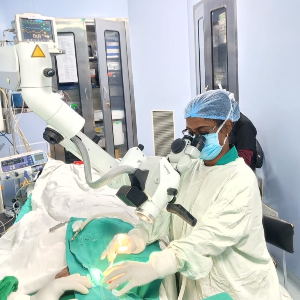
Doctors use a microscope or endoscope to perform the surgery by placing a graft (patch) made from the patient’s own tissue or other suitable material over the hole in the eardrum so it can heal and function better.
Purpose & Benefits of Tympanoplasty
Tympanoplasty is done when the eardrum does not heal by itself or when chronic problems cause repeated ear infections and hearing issues. Its main benefits include:
· Restores eardrum integrity: It closes the hole in the eardrum so it can vibrate normally.
· Improves hearing: Repairing the eardrum (and sometimes the ossicles) can help sound travel better into the inner ear.
· Reduces infections: Closing the perforation helps prevent water, dirt, and germs from entering the middle ear and causing chronic infections.
· Prevents future damage: Repairing the eardrum and bones may protect the middle ear from further harm.
Who May Benefit from Tympanoplasty?
Tympanoplasty may be recommended if you have:
· A perforated (hole or tear) eardrum that hasn’t healed on its own.
· Persistent or recurrent ear infections due to eardrum damage.
· Hearing loss caused by the perforation or middle ear damage.
· Trauma or injury to the eardrum from accidents or pressure changes.
Doctors will usually perform hearing tests and examine your ear before deciding if tympanoplasty is needed.
Types of Tympanoplasty
Tympanoplasty procedures vary depending on the needs:
· Type I (Myringoplasty): Repairs the eardrum alone when the middle ear bones are normal.
· Types II–IV: Include repair of the ossicles (tiny middle ear bones) if they are damaged or displaced.
Tympanoplasty Treatment Process
1. Pre-Surgery Evaluation: Your doctor examines your ear and tests your hearing. You may have imaging and other checks first.
2. Anesthesia: The procedure is usually done under general anesthesia so you are asleep and pain-free.
3. Accessing the Eardrum: A small incision is made behind or in front of the ear, or the surgeon may work through the ear canal.
4. Repairing the Eardrum: The surgeon places a graft over the hole to assist healing. If needed, damaged ossicles may also be repaired.
5. Closing & Dressing: Incisions are sutured, and ear packing is placed to hold the graft while healing begins.
Recovery often takes weeks to months as the eardrum heals and hearing improves.
Duration & Setting
Tympanoplasty is typically performed in a hospital operating room by an ENT (Ear, Nose & Throat) surgeon. The surgery can take anywhere from about 30 minutes to several hours, depending on the extent of the repair. Most patients are allowed to go home the same day, though a short hospital stay can be recommended.
Safety, Precautions & Risks
Tympanoplasty is generally safe when done by trained specialists, but as with all surgeries, there are possible risks:
Common mild effects:
· Temporary ear discomfort or dizziness after surgery.
· Ear drainage or changes in hearing during healing.
Possible risks:
· Incomplete closure or graft failure requiring further surgery.
· Infection or prolonged drainage.
· Hearing changes (rare worsening).
· Damage to middle ear structures or nerve injury, though rare.
Precautions include treating any active infection before surgery and avoiding water exposure in the ear while healing.
Tympanoplasty vs Myringoplasty
· Tympanoplasty may include repair of the eardrum and middle ear bones.
· Myringoplasty focuses on repairing just the eardrum and is used for simpler perforations.

 Otolaryngology
 ENT
ENT

 Pediatric Otolaryngology

 Surgery