Why is Tonsillectomy Recommended?
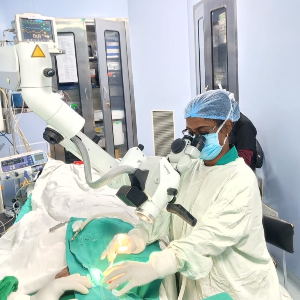
Tonsillectomy is a surgical procedure in which the tonsils are removed. The tonsils are two small, soft tissues located at the back of the throat. They help fight infections, but sometimes they themselves become infected or enlarged.
Doctors recommend tonsillectomy when a person has repeated throat infections (tonsillitis), breathing problems during sleep, or enlarged tonsils causing discomfort. This surgery is more common in children but can also be done in adults.
The procedure is usually safe and done under general anesthesia, so the patient does not feel pain during surgery. A tonsillectomy helps reduce infections, improve breathing, and improve overall quality of life. Recovery usually takes about 10 to 14 days.
Purpose & Benefits of Tonsillectomy
● Reduces frequent throat infections
● Improves breathing during sleep
● Helps treat sleep apnoea.
● Reduces throat pain and discomfort
● Improves swallowing
● Prevents repeated use of antibiotics
● Enhances overall quality of life
Who May Need a Tonsillectomy?
● Patients with frequent tonsillitis
● Children with enlarged tonsils
● People with sleep-related breathing problems
● Individuals with difficulty swallowing
● Patients with tonsil infections not improving with medicines
● People with tonsil bleeding or rare conditions
● Patients with bad breath due to tonsil stones
Types of Tonsillectomy
1. Traditional (Cold Knife) Surgery
The tonsils are removed using a surgical blade. This is a common and effective method.
2. Electrocautery
Heat is used to remove the tonsils and control bleeding at the same time.
3. Coblation Technique
Radiofrequency energy is used to remove the tonsils with less damage to nearby tissue.
4. Microdebrider Method
A rotating tool is used to shave away the tonsil tissue carefully.
Tonsillectomy Procedure: Step-by-Step
1. The patient is given general anesthesia.
2. The mouth is kept open using special tools
3. The surgeon removes the tonsils using a suitable method
4. Bleeding is controlled using heat or other techniques
5. No external cuts are made (surgery is done through the mouth)
6. The patient is moved to recovery for monitoring
The procedure usually takes about 20 to 30 minutes.
Recovery & Aftercare
Recovery usually takes around 10 to 14 days. Patients may feel throat pain, ear pain, or a mild fever during this time. Eating soft foods like yoghurt, soup, and ice cream can help. Drinking plenty of fluids is very important.
Doctors may prescribe pain medication. Patients should avoid spicy or hard foods and follow all medical advice. Most people return to normal activities within 1–2 weeks.
Risks & Possible Complications
● Pain in throat, ears, or neck
● Bleeding during or after surgery
● Infection (rare)
● Swelling causing breathing difficulty
● Reaction to anesthesia
● Dehydration
● Temporary changes in taste
These risks are uncommon and can be managed with proper care.
Tonsillectomy vs Other Treatments
Tonsillectomy is a surgical treatment, while other methods include medicines, antibiotics, and home care. These non-surgical treatments help control infections but may not prevent them from coming back.
Surgery is recommended when infections are frequent or severe. It removes the root cause and provides long-term relief, especially in cases of breathing problems or repeated tonsillitis.

 ENT
ENT
 Otolaryngology
.png) Sleep Medicine
Sleep Medicine

 Pediatric Otolaryngology
.png) Pediatrics
Pediatrics





 Surgery