What Is Suturing Treatment?
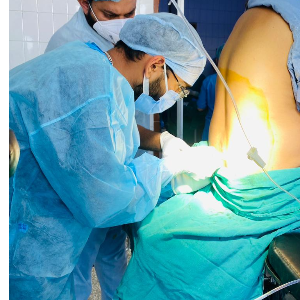
Suturing is a medical procedure used to close wounds, cuts, or surgical incisions using stitches. It helps hold the edges of the skin or tissue together so that the wound can heal properly. Suturing is commonly performed after injuries, surgeries, accidents, or deep cuts that cannot heal effectively on their own.
Sutures may be made from absorbable or non-absorbable materials depending on the type and location of the wound. The procedure helps reduce bleeding, lowers the risk of infection, and minimizes scarring. Doctors may also use adhesive strips, staples, or surgical glue in some cases, but sutures remain one of the most widely used wound closure techniques.
The type of suturing method depends on factors such as wound depth, size, location, and patient condition. Suturing can be performed in hospitals, emergency rooms, clinics, or surgical centers under sterile conditions.
Overall, suturing is an essential medical procedure that supports proper wound healing and tissue repair.
Purpose & Benefits of Suturing
Suturing provides several important medical benefits during wound treatment.
• Closes wounds effectively: Helps hold tissues together for proper healing
• Reduces bleeding: Supports blood clotting and wound stability
• Lowers infection risk: Protects open wounds from contamination
• Minimizes scarring: Proper wound closure may improve cosmetic healing
• Supports faster recovery: Encourages tissue repair and healing
• Protects deeper tissues: Prevents exposure of muscles or internal structures
These benefits make suturing an important part of emergency and surgical care.
Who May Benefit from This Procedure?
Suturing may be recommended for individuals with different types of wounds.
• Patients with deep cuts or lacerations
• Individuals injured during accidents or trauma
• Patients undergoing surgical procedures
• Individuals with wounds that continue bleeding
• Patients with wounds exposing deeper tissue layers
• People requiring cosmetic or reconstructive wound repair
Minor wounds may heal without stitches, but larger or deeper injuries usually require medical closure.
Suturing Procedure
1. Wound Examination
The doctor examines the wound to assess depth, bleeding, contamination, and tissue damage.
2. Cleaning & Disinfection
The wound is cleaned thoroughly using antiseptic solutions to reduce infection risk.
3. Local Anesthesia
A local anesthetic may be administered to numb the area before stitching.
4. Suturing the Wound
The doctor carefully places stitches to bring the wound edges together.
5. Dressing the Area
After suturing, the wound is covered with a sterile dressing or bandage.
6. Follow-Up & Suture Removal
Non-absorbable stitches may need removal after several days depending on the wound location.
The procedure duration depends on wound size and complexity.
Duration & Treatment Setting
Suturing is usually performed in hospitals, emergency rooms, urgent care centers, clinics, or surgical facilities.
Most simple suturing procedures take about 15–45 minutes, though complex injuries or surgical wounds may require more time. In many cases, patients can return home shortly after treatment.
Follow-up visits may be required for wound checks and stitch removal.
Safety, Precautions & Risks
Suturing is generally safe when performed under sterile medical conditions.
Common Effects
• Mild pain or tenderness
• Slight swelling or redness around the wound
• Temporary discomfort during healing
Possible Risks
• Infection at the wound site
• Bleeding or reopening of the wound
• Allergic reaction to suture material
• Scarring or delayed healing
Precautions
• Keep the wound clean and dry
• Avoid excessive movement near the stitched area
• Follow dressing and medication instructions carefully
• Seek medical attention if signs of infection appear
Proper wound care significantly improves healing outcomes.
Types of Suturing
Different suturing techniques are used based on wound type and location.
• Interrupted Sutures: Individual stitches placed separately
• Continuous Sutures: One continuous stitch line used for longer wounds
• Absorbable Sutures: Dissolve naturally inside the body over time
• Non-Absorbable Sutures: Require manual removal after healing
• Deep Sutures: Used for muscles or deeper tissue layers
The doctor selects the most suitable suturing technique according to the wound condition.
Recovery After Procedure
Recovery after suturing depends on the size, depth, and location of the wound. Most wounds begin healing within a few days, though complete healing may take several weeks.
Patients are usually advised to avoid strenuous activity, keep the wound clean, and attend follow-up appointments. Non-absorbable sutures are typically removed within 5–14 days depending on the wound location.
Proper wound care and hygiene help reduce infection risk and improve healing quality.
 General Physician

.png) Ayurveda
Ayurveda

.png) Dentist
Dentist
 Dental Surgery
 Internal medicine


.png) Family Medicine
Family Medicine
 Obstetricians and Gynecologists
 Gynecology