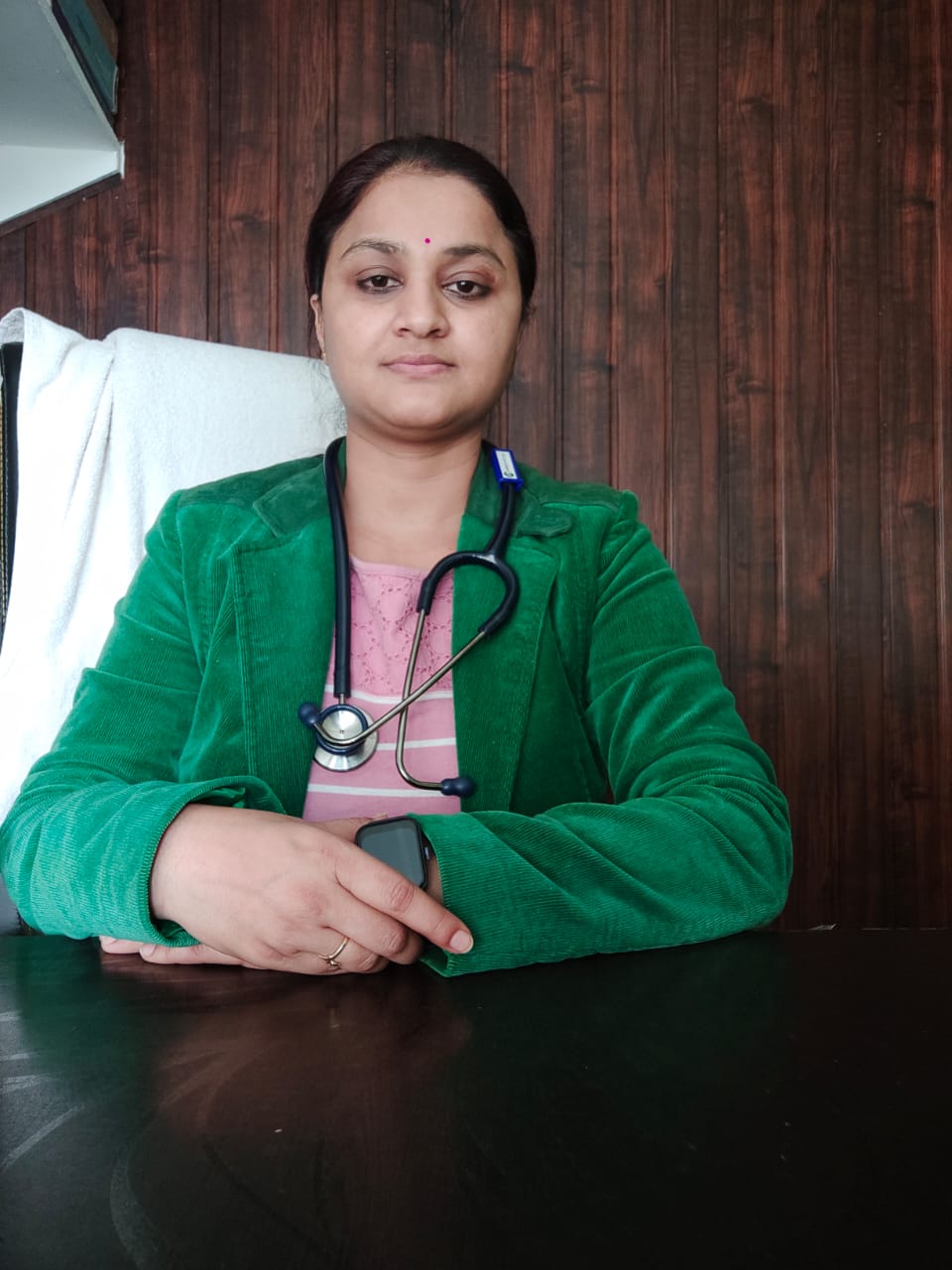
What Is Skin Disease Treatment?
Skin diseases are among the most common health conditions affecting people of all ages. They can develop due to infections, allergies, autoimmune disorders, environmental factors, genetic conditions, or lifestyle habits. Common skin conditions include acne, eczema, psoriasis, fungal infections, dermatitis, vitiligo, urticaria, and various bacterial or viral skin infections. While some skin diseases are temporary and mild, others can be chronic and require long-term management.
Skin disease treatment involves diagnosing the underlying cause of the condition and providing appropriate medical care to relieve symptoms, prevent complications, and improve skin health. Treatment may include medications, topical applications, lifestyle modifications, phototherapy, or minor dermatological procedures, depending on the nature and severity of the disease.
Early diagnosis and treatment are important because untreated skin conditions can worsen over time, lead to infections, cause scarring, and negatively affect a person's confidence and quality of life.
Why is Skin Disease Treatment Needed?
Skin disease treatment is recommended to address symptoms and improve overall skin function. The treatment helps:
● Reduce itching, redness, irritation, and inflammation
● Treat bacterial, fungal, viral, or parasitic infections
● Prevent the spread of contagious skin conditions
● Control chronic skin disorders and reduce flare-ups
● Improve skin appearance and texture
● Prevent permanent scarring or pigmentation changes
● Enhance comfort and quality of life
● Promote healthy skin and long-term skin wellness
Seeking timely treatment can help prevent complications and ensure faster recovery.
Who May Need Skin Disease Treatment?
Individuals may require skin disease treatment if they experience:
● Persistent acne or acne scars
● Dry, itchy, or inflamed skin
● Recurrent skin rashes
● Psoriasis or eczema symptoms
● Fungal infections such as ringworm
● Allergic skin reactions
● Vitiligo or pigmentation disorders
● Skin infections causing pain or swelling
● Warts, moles, or unusual skin growths
● Excessive itching without a known cause
A dermatologist can evaluate the condition and recommend the most suitable treatment plan.
Types of Skin Disease Treatment
The treatment approach varies according to the specific skin disease and its severity.
Topical Medications
Topical treatments are applied directly to the skin and include creams, gels, lotions, and ointments. These medications help reduce inflammation, control infections, moisturize the skin, and promote healing.
Oral Medications
Certain skin diseases require oral medications such as antibiotics, antifungal drugs, antihistamines, corticosteroids, or immune-modulating medicines. These medications help treat underlying causes and control symptoms.
Phototherapy
Phototherapy involves exposing the skin to controlled ultraviolet light under medical supervision. It is commonly used to manage conditions such as psoriasis, eczema, and vitiligo.
Laser and Advanced Dermatological Treatments
Laser therapy may be used for specific skin conditions, including scars, pigmentation issues, vascular lesions, and certain chronic skin disorders. These treatments are performed by trained dermatologists using specialized equipment.
Minor Dermatological Procedures
Some skin diseases may require procedures such as wart removal, drainage of abscesses, skin biopsies, or removal of suspicious lesions. These procedures help diagnose or treat specific conditions effectively.
Skin Disease Treatment Procedure
The exact procedure depends on the condition being treated. However, the process generally includes the following steps:
Initial Consultation
The dermatologist begins by reviewing the patient's medical history, symptoms, lifestyle factors, and previous treatments. A detailed examination of the skin is performed to identify the nature and severity of the condition.
Diagnostic Evaluation
Additional diagnostic tests may be recommended if necessary. These may include skin scrapings, allergy testing, blood tests, fungal cultures, or skin biopsies to confirm the diagnosis.
Treatment Planning
Based on the diagnosis, the dermatologist develops a personalized treatment plan. The choice of treatment depends on factors such as the patient's age, overall health, type of skin disease, severity of symptoms, and treatment goals.
Treatment Administration
The prescribed treatment may involve topical medications, oral medicines, phototherapy sessions, or dermatological procedures. Patients are provided with detailed instructions regarding medication use and skincare practices.
Follow-Up Care
Regular follow-up visits allow the dermatologist to monitor progress, assess treatment effectiveness, and make necessary adjustments. Long-term management may be required for chronic conditions.
Recovery and Aftercare
Recovery varies depending on the skin condition and treatment method. Many patients experience gradual improvement within a few days or weeks, while chronic skin diseases may require ongoing care.
Important aftercare measures include:
● Taking medications exactly as prescribed
● Following a dermatologist-approved skincare routine
● Keeping the skin clean and moisturized
● Avoiding known allergens or irritants
● Protecting the skin from excessive sun exposure
● Staying hydrated and maintaining a healthy diet
● Attending follow-up appointments regularly
Following aftercare instructions can significantly improve treatment outcomes and reduce the risk of recurrence.
Benefits of Skin Disease Treatment
Skin disease treatment offers several benefits, including:
● Relief from itching, pain, and discomfort
● Reduction in redness and inflammation
● Improved skin appearance and texture
● Better control of chronic skin disorders
● Prevention of infections and complications
● Reduced risk of permanent scarring
● Improved self-esteem and confidence
● Enhanced overall quality of life
Appropriate treatment can help individuals manage symptoms effectively and maintain healthier skin over the long term.
Risks and Side Effects
Skin disease treatments are generally safe when prescribed and supervised by qualified dermatologists. However, some treatments may cause temporary side effects, such as:
● Mild skin irritation
● Redness or swelling
● Dryness and peeling
● Increased sensitivity to sunlight
● Temporary pigmentation changes
● Allergic reactions to medications
Patients should inform their dermatologist about any unusual symptoms or concerns during treatment.

.png) Ayurveda
Ayurveda

 Homeopathy

.png) Pediatrics
Pediatrics
 Neonatal-Perinatal
 Pediatric Emergency Medicine
.png) Dermatology
Dermatology