Introduction
Screening medicine (often called medical screening) refers to a set of tests and health checks done to find health problems early, before a person has any symptoms. The main goal is to catch possible diseases or risk conditions early so that treatment or preventive action can start sooner, when it is often more effective and easier to manage. This is not the same as a diagnostic test; screening does not tell you for sure whether you have a disease, but it helps doctors decide if more testing is needed.
Screening is an important part of preventive health care. It is often recommended based on age, gender, family history, or risk factors for certain conditions. Doctors use screening to reduce the chance of severe illness, complications, or death from diseases that might otherwise go unnoticed until they are advanced. The choice of which screening tests to use depends on medical guidelines and individual health needs.
Because screening is meant for people without symptoms, it helps identify health issues early, improve long-term outcomes, and support better health planning and lifestyle changes. However, screening tests are not perfect and can sometimes show false positive or false negative results, so results must be interpreted carefully by a doctor.
Who May Need Screening Medicine?
Screening tests may be recommended for people who:
- Are adults above certain ages (varies by test and guideline)
- Have a family history of certain diseases
- Are at higher risk due to lifestyle (smoking, diet, inactivity)
- Have risk factors like high blood pressure, high cholesterol, or obesity
- Are pregnant women needing early checks for mother and baby
- Want a routine check-up for preventive care
- Have no symptoms but want early detection
Doctors decide when to recommend screening based on guidelines, personal risk, and test benefits.
Types of Screening in Medicine
There are many types of screening tests used to look for different health problems:
1. Blood Pressure Screening
Measures blood pressure to find early signs of hypertension, which can lead to heart disease or stroke.
2. Cholesterol and Lipid Profile
A blood test that checks levels of fats in the blood, helping predict risk of cardiovascular disease.
3. Blood Glucose Screening
Checks blood sugar levels to detect prediabetes or diabetes early, before symptoms develop.
4. Pap Smear (Cervical Screening)
A test for women that collects cells from the cervix to find early changes that may lead to cervical cancer.
5. Mammography (Breast Screening)
An X-ray test to find early signs of breast cancer before lumps or symptoms appear.
6. Colonoscopy or Stool Tests
Used to screen for colon and rectal cancers before symptoms develop.
7. Bone Density Tests
Used to check for early signs of osteoporosis (weak bones).
8. Newborn Screening
Blood tests are done shortly after birth to detect conditions like congenital thyroid disease.
9. Abdominal Aortic Aneurysm Screening
Ultrasound scans to find ballooning of major blood vessels before they rupture.
These screening tests are part of preventive care and help doctors decide if further diagnostic testing is needed.
Screening Medicine Procedure
Screening medicine is not one single test but a group of procedures used to check for different health issues. The steps vary depending on the type of screening:
1. The doctor evaluates your health history and risk factors. You may be given instructions before a specific test (e.g., fasting before a blood test).
2. The screening test is done; this may be a blood test, imaging scan, physical measurement (like blood pressure or weight), or sample collection.
3. Results are recorded and looked at by your doctor or a lab. For some tests, the machine gives the result immediately. For others, lab analysis takes a few days.
4. Your doctor evaluates what the result means for your health. A normal result means low risk; an abnormal result may mean you need further tests.
5. If screening shows possible problems, the doctor may recommend diagnostic tests (more specific and accurate tests) to confirm a diagnosis and plan any needed treatment.
Screening is usually quick, simple, and done in clinics, hospitals, or specialised centres.
Recovery & Aftercare
Most screening tests do not require recovery because they are simple and non-invasive. Aftercare depends on the specific test:
- Blood Tests: No recovery needed; you can resume normal activities immediately.
- Imaging Tests (e.g., mammogram): You can continue daily life right after.
- Colonoscopy: You may need to rest for a short time and follow dietary advice.
- Pap Smear: No special aftercare; you can resume usual activities.
Your doctor will advise you on what to do after each test. If further testing is needed based on screening results, your doctor will explain the next steps.
Risks & Possible Complications
Screening tests are generally safe, but they can have limitations and possible drawbacks:
- False Positive Results: Screening may show an abnormal result when no disease is present, leading to anxiety and extra testing.
- False Negative Results: Tests may miss a condition, giving a false sense of security.
- Overdiagnosis: Detecting conditions that may never cause symptoms or harm, leading to unnecessary treatment.
- Discomfort or Stress: Some tests may feel uncomfortable, like imaging, blood draws, or endoscopic procedures.
- Radiation Exposure: Some imaging tests use small amounts of radiation, which are usually safe but used only when necessary.
Doctors weigh the benefits and risks before recommending screening tests, focusing on those with proven value in improving health outcomes.
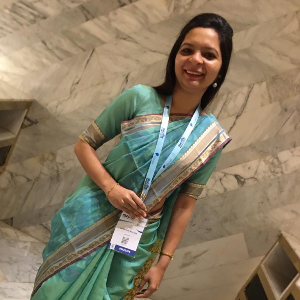
Mrs. Dhara Vivek Bhalodia
M.Sc - Nutrition
 Nutrition
 Nutrition
Dr. Dhara Vivek Bhalodia is a highly qualified and experienced professional in the field of Food Science and Nutrition. She holds a Master's degree in Food Science and Nutrition from Gujarat University, showcasing her strong academic background. With over 10 years of practical experience, Dr. Bhalodia has established herself as a dedicated and knowledgeable expert in her field.. Chief Nutritionist Dhara is here to utilize culture beliefs, behaviors and dietetic practice to increase the health of communities through natural nutrition therapy, education and outreach. Your DIET is a BANK account. FOOD choices are good INVESTMENT.
Ahmedabad, Gujarat, India, 380015
- Ahmedabad, Gujarat
- DocIndia Verified
- 800
- Online Consultation
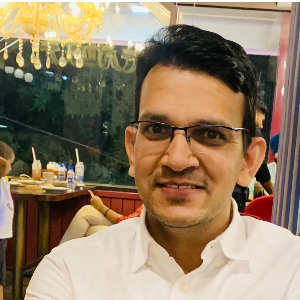
Dr. Laxman Jhuria
Consultant Physician
Internal medicine
 Internal medicine
Rheumatology
Cardiology
MD internal medicine physician & Heart Specialist Special interest in ICU and critical care services
SCO 2046A, First floor, Sector 123, Sunny Enclave, Kharar, Kharar, Punjab, India, 140301
- Kharar, Punjab
- DocIndia Verified
- 300
- ONE HEALTH KLINIC
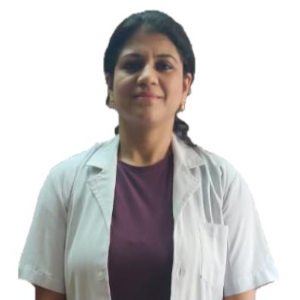
Dr. Mradulika Sharma
Gynecologist- I worked in baba saheb Ambedkar Rohini delhi. Fortis hospital delhi Venkteshwar hospital delhi
Obstetricians and Gynecologists
 Obstetricians and Gynecologists
Gynecology
Maternity Services
With 15+ years of excellence, Dr. Sharma is a trusted expert in high-risk pregnancies, advanced gynaecological surgeries, and fertility care. An MS (Obstetrics & Gynaecology, 2012), she has served at Fortis, Venkateshwar, RM, and Baba Saheb Ambedkar Hospitals. Trained in cosmetic gynaecology, aesthetic medicine, and hair medicine, she now provides bespoke, discreet, and evidence-based care, including premium telemedicine consultations designed for women seeking expertise, precision, and confidence.
A block, house no 88, Chander nagar West Delhi, Delhi, Delhi, India, 110058
- Delhi, Delhi
- DocIndia Verified
- 500
- Dr Sharma Clinic
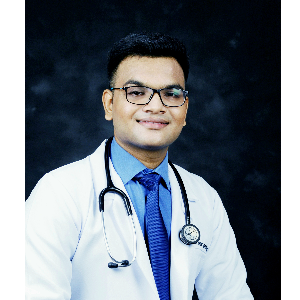
Dr. Darshan M Patel
MD (m.b.b.s) General Physician
Internal medicine
Family Medicine
Kind,caring, compassionate, non-judgemental, active listener & experienced Doctor. Has been working at Dr.m.k.shah medical college/smt.S.M.S multy-speciality hospital since feb 2021. has wide experience in different clinical departments specially surgery, emergency medicine as well as icu.
Dwarkesh anitilia, Motera road, Ahmedabad, Gujarat, India, 380005
- Ahmedabad, Gujarat
- DocIndia Verified
- 200
- Dr. Darshan patel
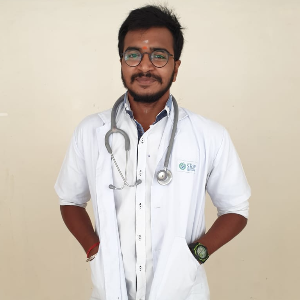
Dr. Vinod Kumar SV
General physician - M.B.B.S
Internal medicine
Emergency Medicine
Wholeheartedly dedicated to promote the health of the patient towards a positive direction with the help of my medical knowledge and skills. To serve for the humanity is the ultimate goal so that both the doctor as well as the patient feels satisfied and happy.
Velan hospitals , jail colony, Subramaniyapuram, Tiruchirappalli, Tamil Nadu, India, 620020
- Tiruchirappalli, Tamil Nadu
- DocIndia Verified
- 250 - 350
- Velan speciality hospitals + 2 More
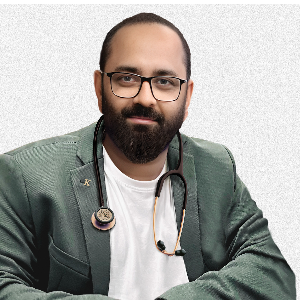
Dr. K M Saifullah
Bachelor of Unani Medicine and Surgery (BUMS)
Unani
 Unani
UnaniDr K. M. Saifullah is a renowned Personality in the field of Natural Medical Sciences and a well-known physician regarding the Natural Treatment System. He is the Chief Medical Director of Naturoveda Health World. He has been honoured as the ‘Revolutionary Icon of Indian Medical Sciences’ from Shri Shripad Yesso Naik, Hon'ble AYUSH Minister, Govt. of India. He is also the Editor-in-Chief of an esteemed magazine, Health Companion. Many blogs and articles regarding health have been written by him which all are very informative.
1, Suhrawardy Avenue, 7 Point Crossing, Kolkata, West Bengal, India, 700017
- Kolkata, West Bengal
- DocIndia Verified
- 1 Award
- 2000
- Naturoveda Health World
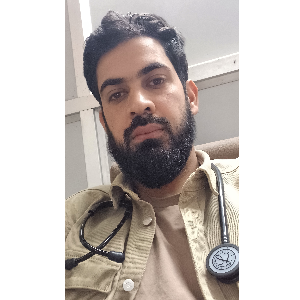
Dr. Bilal Rashid Wani
General physician
General Physician
 General Physician
A dedicated and compassionate medical doctor with an MBBS degree from Tehran University of Medical Sciences and one year of internship (house job) at GMC Baramulla. Experienced in various clinical disciplines, including medicine, surgery, pediatrics, obstetrics and gynecology, and emergency medicine. Competent in patient evaluation, diagnosis, and treatment planning, with good interpersonal and collaborative abilities. Passionate about ongoing medical education and contributing to high-quality healthcare delivery. House Job / Internship — Government Medical College (GMC) Baramulla, J&K; — May 2024 – May 2025
Baramulla, Jammu and Kashmir, India, 193402
- Baramulla, Jammu and Kashmir
- DocIndia Verified
- 1 Award
- 100
- Online Consultation
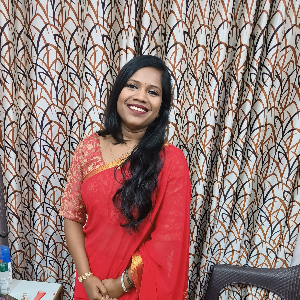
Dr. Anshu Agrawal
Dr. Anshu Agrawal- Gynecologist
Obstetricians and Gynecologists
Gynecology
Passionate obstetrician and gynecologist, experienced with 2500+ surgeries and still counting every day. Skilled in non surgical treatments, gynaec cosmetology , infertility and to deal with high risk pregnancy with vaginal delivery n positive outcomes
Online, Korba, Chhattisgarh, India, 495678
- Korba, Chhattisgarh
- DocIndia Verified
- 300

Dr. Aaiza Nazim Peerzada
M.B.B.S fellowship in obstetrics and gynaecology
Internal medicine
Emergency Medicine
Family Medicine
I am Dr Aaiza Peerzada , general physician and have 4 years experience as a general practitioner at govt Hospital as well , I am here to treat you . I am good listener and have good skills at medical work and good communication skills. I am well experienced doctor in maternal neonatal care and emergency medicine
1345 peerzada heights, G.P.O road, Nashik, Maharashtra, India, 422001
- Nashik, Maharashtra
- DocIndia Verified
- 500
- The meher clinic
Mrs. Shajra Mukadam
PGD-Nutritionist & Dietitian
Nutrition
Dr. Shajra Mukadam is a distinguished professional in the field of nutrition and dietetics, having earned her Post Graduate Diploma (PGD) from the prestigious International Institute of Good Manufacturing Practices India (IGMPI). Her academic background and expertise have equipped her with a deep understanding of dietary sciences and their application in promoting health and wellness. With a vision to offer comprehensive healthcare solutions, Dr. Mukadam established her own clinic. Her commitment to excellence and compassionate care has earned her the respect and trust of her patients and peers alike.
Shop No. 6, Gurukripa Apts, Opp. Manali Building, Evershine Nagar, Malad, Mumbai, Maharashtra, India, 400064
- Mumbai, Maharashtra
- DocIndia Verified
- 300
- Dr. Shajra Mukadam