Find a doctor

Root Canal Treatment doctors in India

4,992 doctors in India — verified profiles, ratings, fees and clinic or online consultation.

4,992 doctors All procedures →
Filters & sort

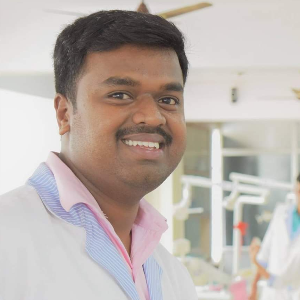
BDS FAD - Dental Surgeon and Cosmetic Dentist

Dentist Dental Surgery
Ardent Dental Centre · Chennai, Tamil Nadu

Experience dentistry at its finest with Dr.Priyadharshini, A licensed dentist with a passion for providing high-quality patient care. Possess extensive knowl…

Consultation fee₹150

Dr Riya Verma

Verified

Dentist

Dentist Dental Surgery Pediatric Dentistry
SYC DENTAL - DR RIYA SONI · Jaipur, Rajasthan

Owner of SYC DENTAL -VAISHALI NAGAR JAIPUR RAJASTHAN Here to provide top notch dental care and advice through online consult and at clinic also. specialized…

Consultation fee₹200

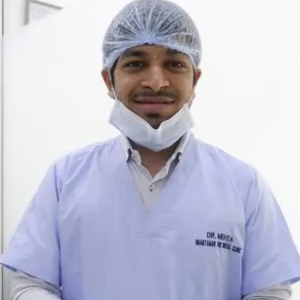
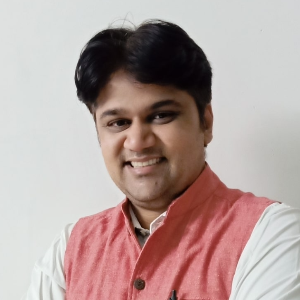
Dr Chirag Mehta

Verified

Periodontist & Implantologist

Dentist Periodontics Dental Surgery
Bhaktamar The Dental Clinic · Mumbai, Maharashtra

Dr. Chirag J. Mehta is a renowned dentist in Parel, leads periodontal and implant care at Bhaktamar The Dental Clinic with his BDS and MDS from M.U.H.S. Nash…

Consultation fee₹300

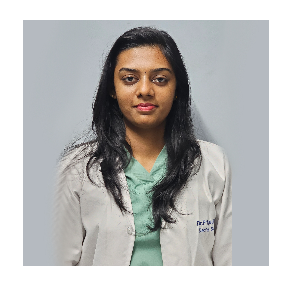
Dr Jyoti Nagpal

Verified

BDS-MDS- Dental Surgery

Dental Surgery
Dental Joy Hi-Tech Dental Clinic · Gurugram, Haryana

Dr. Jyoti Nagpal is an accomplished Paedodontist and General Dental Surgeon, committed to providing top-quality dental care to her patients. As a meritorious…

Consultation fee₹600

Dr Shakshi Verma

Verified

Dental Surgeon, BDS ( Guwahati), FAD (Indo-German Board), Certified Implantologist

Dentist Dental Surgery
Dr Shakshi Verma's Dental Clinic · Guwahati, Assam

I'm a dental practitioner currently working in two clinics in the heart of Guwahati city. I'm good at guiding and counselling patients by being soft spoken a…

Consultation fee₹400

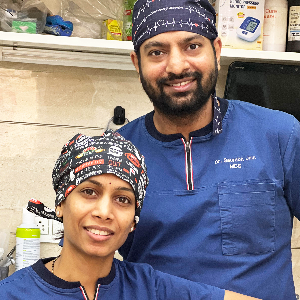
Dr Saurabh Jain

Verified

MDS-ORTHODONTIST AND IMPLANTOLOGIST

Dentist Dental Surgery
Dr. Jains Advanced Dental Care · Delhi

Dr Jains Advanced Dental Care is a professional dental clinic located in the Tri Nagar and Kanhaiya Nagar neighborhoods of North Delhi. Dr Jains Advanced Den…

Consultation fee₹500

Dr. Revath Vyas Devulapally, orthodontists, pediatric dentists, and implant specialists

Dental Surgery Dentist
3D-DDS (Digital Dental Solutions) · Hyderabad, Telangana

3D-DDS (Digital Dental Solutions) is one of the best dental clinics near Alkapuri, Hyderabad. Our top dentist from Alkapuri, Kothapet, Dr. Revath Vyas Devula…

Consultation fee₹200

Dr Bharath Gowda M C MDS

Dentist Dental Surgery
AP Spatika Dantalaya Multi Specialty Dental Clinic · Bengaluru, Karnataka

I did My BDS from RRDCH, Bangalore and MDS in Conservative Dentistry and Endodontics from Sri Hasanamba dental college and Hospital, Hassan. Traveler, Learne…

Consultation fee₹200

Dr Venus Nayak

Verified

Dental Surgeon

Dentist
Lacheln Dentistry · Gurugram, Haryana

Dr. Venus Nayak is a Dentist, Implantologist and Dental Surgeon in Gurgaon Sector 90, Gurgaon and has an experience of 12 years in these fields. She complete…

Consultation fee₹500

Dr Mayuri Kamath

Verified

Prosthodontist and Implantologist

Dentist
Dr. Kamath's Seven Dentistry · Mangaluru, Karnataka +1 more

Dr. Mayuri is a Prosthodontist with six years of experience, specializing in the restoration and replacement of teeth. Your expertise likely includes dental…

Consultation fee₹250

Dr Rohan Bhatt

Verified

Dental Surgeon

Dentist Dental Surgery Pediatric Dentistry
Mukta Dental and Cosmetic Clinic · Udaipur, Rajasthan

Dr. Rohan Bhatt, ('BDS') is one of the reputed doctors in Udaipur, India Specialist/Center: - Dentist Experience : 13+ years DR ROHAN @ MUKTA DENTAL & COSMET…

Consultation fee₹300

BDS, MDS, Fellowship in Aesthetic Medicine (FAM)

Dentist
Rejovè Clinique · Delhi

Dr Rajesh Sardana , a facio-maxillary cosmetic surgeon with wealthy experience of 10 yrs , trained in handling and managing fractures of face , jaws,cyst and…

1 Award

Showing 85–96 of 4,992

Root Canal Treatment doctors by city

What Is Root Canal Treatment?

Root canal treatment is a dental procedure used to treat infection inside a tooth and save the natural tooth. The inside part of a tooth contains soft tissue called the pulp. This pulp includes nerves, blood vessels, and connective tissue that help the tooth grow during development. When bacteria enter the pulp due to deep cavities, cracks, or injury, the pulp can become infected or inflamed.

Root canal treatment is commonly performed by a dentist or a specialist called an endodontist. The procedure may take one or two visits depending on the condition of the tooth. After treatment, the tooth is usually restored with a filling or crown so it can function normally again.

The main goal of root canal treatment is to remove infection, relieve pain, and preserve the natural tooth instead of removing it.

Who May Need Root Canal Treatment?

A dentist may recommend root canal treatment if a person has the following symptoms:

● Severe tooth pain, especially when chewing

● Sensitivity to hot or cold foods and drinks

● Swollen or tender gums near the tooth

● A small bump or boil on the gums

● Darkening or discoloration of the tooth

● Cracked or chipped tooth with infection

● Deep tooth decay reaching the pulp

These signs may indicate that bacteria have infected the pulp inside the tooth and treatment is required.

Types of Root Canal Treatment

There are different approaches used in root canal procedures, depending on the condition of the tooth.

1. Standard Root Canal Therapy

This is the most common treatment. The dentist removes the infected pulp, cleans the canals, and seals the tooth to prevent infection.

2. Retreatment of Root Canal

Sometimes a previously treated tooth becomes infected again. In such cases, the dentist may reopen the tooth, clean the canals again, and seal them properly.

3. Surgical Root Canal (Apicoectomy)

If infection remains after root canal therapy, a minor surgical procedure called apicoectomy may be performed. The tip of the tooth root is removed along with infected tissue.

The dentist decides the most suitable treatment depending on the tooth’s condition.

Root Canal Procedure

A root canal procedure usually takes about 60 to 90 minutes and may require one or two visits to the dentist.

First, the dentist examines the tooth and may take X-rays to check the extent of infection. After diagnosis, local anesthesia is given to numb the area so the patient does not feel pain during the procedure.

Next, the dentist places a rubber sheet called a dental dam around the tooth to keep it clean and dry. A small opening is then made on the top of the tooth to reach the infected pulp.

Using special dental instruments, the dentist carefully removes the infected pulp and cleans the inside of the root canals. The canals are disinfected to remove bacteria and prevent further infection.

After cleaning, the empty canals are filled with a rubber-like material called gutta-percha. This material seals the canals and prevents bacteria from entering again.

In many cases, the dentist places a temporary filling first. Later, a permanent filling or dental crown is placed to protect the tooth and restore its normal function.

Recovery & Aftercare

Recovery after root canal treatment is usually quick and simple. Most people can return to normal activities the next day.

During the first few days, the treated tooth may feel slightly sensitive or sore. This is normal and usually improves with over-the-counter pain medication.

Doctors often recommend the following aftercare tips:

● Avoid chewing on the treated tooth until the permanent crown is placed

● Eat soft foods for a few days

● Brush and floss regularly to maintain oral hygiene

● Use an antibacterial mouthwash if recommended

● Visit the dentist for follow-up appointments

Most patients recover fully within about a week. Good oral care and regular dental checkups can help the treated tooth last many years, sometimes even a lifetime.

Risks & Possible Complications

Root canal treatment is generally safe and has a high success rate. However, like any medical procedure, it may involve some risks.

Possible complications include the following:

● Persistent infection inside the tooth

● Cracked or damaged tooth after treatment

● Pain or swelling around the treated area

● Incomplete cleaning of root canals

● Failure of the root canal filling

In some cases, the tooth may require additional treatment or retreatment if the infection returns.

Dentists carefully evaluate the tooth before treatment to reduce the risk of complications.
Frequently asked questions

What is root canal treatment?

Root canal treatment is a dental procedure used to remove infected pulp from inside a tooth. The dentist cleans the inside of the tooth, fills the root canals, and seals it to prevent further infection.

Why is root canal treatment needed?

The treatment is needed when bacteria infect the pulp inside the tooth. This infection may occur due to deep cavities, cracks, or injury to the tooth. If left untreated, the infection can cause severe pain and tooth loss.

Is root canal treatment painful?

Modern root canal treatment is usually not painful because dentists use local anesthesia to numb the area. Most patients feel relief from the tooth pain once the infection is removed.

How long does a root canal procedure take?

A root canal procedure usually takes about 60 to 90 minutes. Some cases may require more than one dental visit depending on the complexity of the tooth and infection.

How long does recovery take after a root canal?

Most people recover within a few days and return to normal activities quickly. Mild sensitivity or discomfort may last for a short time but usually improves within a week.

Will I need a crown after a root canal?

Yes, in many cases a dental crown is placed after root canal treatment. The crown protects the treated tooth and restores its strength and appearance. Yes, in many cases a dental crown is placed after root canal treatment. The crown protects the treated tooth and restores its strength and appearance.

Can a root canal fail?

Although root canal treatment is highly successful, sometimes infection may return. In such cases, the dentist may perform retreatment or another procedure to fix the problem.

Chat Support