Find a doctor

Rhinophyma Treatment doctors in India

17 doctors in India — verified profiles, ratings, fees and clinic or online consultation.

Best Rhinophyma Treatment

17 doctors All procedures →
Filters & sort

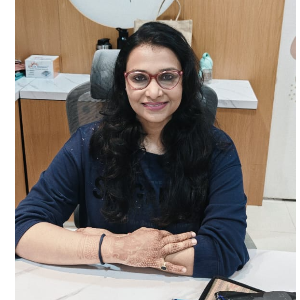
Dr Annu Priya

Verified

MD-DERMATOLOGIST

Dermatology
DermaGnathix clinic · Bhopal, Madhya Pradesh

Dr. Annu Priya is a leading Dermatologist and Hair Transplant Specialist in Bhopal, with over 10 years of clinical experience in treating a wide range of ski…

Consultation fee₹500

MBBS, MS - ENT

Otolaryngology
Manipal Hospital · Bengaluru, Karnataka +1 more

Dr. Bathi Reddy works as an ENT Specialist at Manipal Hospital, Old Airport Road Bangalore. He is working with Cosmo ENT care as well. His specialization lie…

MBBS, MS - ENT

Otolaryngology
Manipal Hospital · Bengaluru, Karnataka

Dr. Girish Rai is a highly educated and vastly experienced ENT specialist who is an Otolaryngologist (ENT specialist, with vast experience in head and neck T…

MBBS, MS - ENT, Diploma in Otorhinolaryngology (DLO)

Otolaryngology
Prime ENT Clinic · Mumbai, Maharashtra +3 more

Dr. Ajay Doiphode is an ENT Surgeon based in Mumbai practicing for the last 20 years. He specializes in all Ear, Nose, Oral and Throat Surgeries, the most im…

7 Awards

MBBS, Diploma in Otorhinolaryngology (DLO), MS - ENT

Otolaryngology
Manipal Hospital · Bengaluru, Karnataka

Dr. V.T.Anand is a Senior ENT Consultant with over 25yrs experience in the specialty. Following his postgraduate training in ENT in Madras Medical College(DL…

MBBS, Diploma in Otorhinolaryngology (DLO), DNB - Otorhinolaryngology

Otolaryngology
Manipal Hospital · Bengaluru, Karnataka +1 more

Dr. AnithaKumari AM practices ENT at Manipal Hospitals both at Old Airport Road and Whitefield. With over 20 years of experience, she tackles ENT issues for…

1 Award

MBBS, MS - ENT

Otolaryngology
Dr. Karnika's Eye Ear Nose Throat Clinic · Mumbai, Maharashtra +2 more

Dr. Prabodh Karnik is a ENT/ Otorhinolaryngologist in Dadar, Mumbai and has an experience of 41 years in this field. Dr. Prabodh Karnik practices at Dr. Karn…

MS - ENT, MBBS

Otolaryngology
Dr Morwanis ENT Nursing Home · Mumbai, Maharashtra +2 more

Dr. Morwani (Head ENT Department) is an ENT Surgeon associated with Fortis Hiranandani Hospital, Vashi. He has attended more than 100 regional, zonal, nation…

8 Awards

MBBS, MS - ENT, MRCS (UK), Diploma in Otorhinolaryngology (DLO)

Otolaryngology
Manipal Hospital · Bengaluru, Karnataka +1 more

Dr. Shalina Ray is an Otolaryngologist and Head and Neck Surgeon with over 16 years experience in her field works for Manipal Hospitals Airport Road Bangalor…

4 Awards

MBBS, DNB - Otorhinolaryngology

Otolaryngology
Nanavati Super Speciality Hospital · Mumbai, Maharashtra

Dr. Manohar Shaan is a ENT/ Otorhinolaryngologist in Vileparle West, Mumbai and has an experience of 31 years in this field. Dr. Manohar Shaan practices at N…

MBBS, Diploma in Otorhinolaryngology (DLO), DNB - Otorhinolaryngology

Otolaryngology
Dr. Amol Patil's Clinic · Mumbai, Maharashtra +1 more

Dr. Amol Patil is a ENT/ Otorhinolaryngologist in Vile Parle West, Mumbai and has an experience of 13 years in this field. Dr. Amol Patil practices at Dr. Am…

MBBS, DNB - Otorhinolaryngology

Otolaryngology
IBS Hospital · Delhi +2 more

Having practiced extensively in Singapore, Dr. Archana Sharma presently works as a consultant at Delhi ENT Hospital & Research Centre, Jasola and at SRG Spec…

2 Awards

Showing 1–12 of 17

Rhinophyma Treatment doctors by city

What Is Rhinophyma?

Rhinophyma is a skin condition that affects the nose. It causes the skin on the nose to become thick, swollen, and bumpy. Over time, the nose may look larger, red, and uneven in shape. This condition usually develops slowly and may become more noticeable after many years.

Rhinophyma is often linked to a long-term skin condition called rosacea. Rosacea causes redness and visible blood vessels on the face, especially on the nose and cheeks. If rosacea becomes severe and untreated, it may lead to rhinophyma.

The main goal of treatment is to remove the excess tissue from the nose and restore a more normal shape. Procedures may include surgery, laser therapy, or other skin-resurfacing techniques. These treatments help improve both the appearance and function of the nose. With proper treatment, many patients experience significant improvement in skin texture and facial appearance.

Who May Need Rhinophyma Treatment?

Doctors may recommend rhinophyma treatment for people who have the following symptoms:

● Thick or swollen skin on the nose

● A bulb-shaped or enlarged nose

● Red, purple, or dark discoloration of the nose

● Visible lumps or irregular skin surface

● Enlarged pores or oily skin on the nose

● Difficulty breathing through the nose in severe cases

● Emotional discomfort due to changes in appearance

People who have long-term rosacea may have a higher risk of developing rhinophyma.

Types of Rhinophyma Treatment

Different methods are used to treat rhinophyma. The choice of treatment depends on the severity of the condition and the patient’s health.

1. Laser Treatment

Laser therapy is commonly used to remove the outer layers of thickened skin. The laser carefully removes abnormal tissue and reshapes the surface of the nose. This method can also reduce enlarged blood vessels.

2. Dermabrasion

Dermabrasion is a procedure where a rotating device gently removes the upper layers of skin. This helps smooth the surface of the nose and improve its shape.

3. Surgical Removal of Tissue

In moderate or severe cases, doctors may perform surgery to remove excess skin and oil glands. The surgeon reshapes the nose to restore a more natural appearance.

4. Cryotherapy

Cryotherapy uses very cold temperatures to freeze and destroy abnormal skin tissue. This method may be used for certain cases of rhinophyma.

Doctors choose the best treatment method based on the size of the growth and the condition of the skin.

Rhinophyma Treatment Procedure

A rhinophyma treatment procedure is usually performed by a dermatologist or plastic surgeon in a hospital or specialised clinic.

First, the doctor examines the nose and discusses the treatment options. In many cases, local anesthesia is given so the patient does not feel pain during the procedure.

During surgical treatment, the doctor carefully removes the thickened skin and enlarged oil glands from the nose. The surgeon may use a scalpel, laser device, or other surgical tools to remove the extra tissue.

After removing the abnormal tissue, the surgeon reshapes the nose to create a smoother and more natural appearance. The goal is to restore the normal contour of the nose while protecting the underlying structures.

Sometimes more than one technique is used during the procedure. For example, surgery may remove the bulk of the tissue, and dermabrasion may be used afterward to smooth the skin.

The procedure usually takes one to two hours depending on the severity of the condition. After treatment, the patient may go home the same day or stay briefly for observation.

Recovery & Aftercare

Recovery after rhinophyma treatment usually takes a few weeks. The treated area may appear red, swollen, or sensitive during the early healing period.

Doctors often provide detailed instructions to help the skin heal properly. Some common aftercare recommendations include:

● Keep the treated area clean and dry

● Apply prescribed ointments or creams

● Avoid direct sunlight during healing

● Use gentle skincare products

● Avoid touching or scratching the treated skin

● Attend follow-up appointments with the doctor

Healing time may vary depending on the treatment method used. In many cases, the skin gradually heals and forms a smoother surface over several weeks.

Patients should contact their doctor if they notice severe pain, unusual swelling, or signs of infection.

Risks & Possible Complications

Like any medical procedure, rhinophyma treatment may have some risks. However, serious complications are uncommon when the procedure is performed by experienced specialists.

Possible complications may include:

● Bleeding during or after the procedure

● Infection at the treatment site

● Scarring or changes in skin texture

● Skin discoloration

● Prolonged healing time

● Recurrence of rhinophyma in rare cases

Some treatments that use heat or laser may also cause minor burns or irritation if not performed carefully.

Doctors usually discuss these risks before treatment so patients can understand the benefits and possible outcomes.
Frequently asked questions

What is rhinophyma?

Rhinophyma is a skin condition that causes the nose to become enlarged, thick, and bumpy. It usually develops slowly and is often related to a severe form of rosacea.

What causes rhinophyma?

The exact cause is not fully known. However, it is commonly associated with long-term rosacea. The condition occurs when oil glands and connective tissue in the nose grow larger than normal.

Is rhinophyma treatment painful?

Most procedures are performed with local or general anesthesia, so patients do not feel pain during treatment. After the procedure, mild discomfort or swelling may occur, but it usually improves within a few days.

How long does recovery take after rhinophyma treatment?

Recovery time depends on the treatment method. In many cases, patients begin to heal within a few weeks, although redness or sensitivity may last longer as the skin continues to recover.

Can rhinophyma return after treatment?

In rare cases, rhinophyma may slowly return if the underlying rosacea continues. Proper treatment and regular medical care can help reduce the chance of recurrence.

Is rhinophyma caused by alcohol?

Many people believe alcohol causes rhinophyma, but this is a common myth. Research shows that the condition is not directly caused by alcohol consumption.

Can rhinophyma affect breathing?

Yes. In severe cases, the enlarged tissue on the nose may block the nasal passages and make breathing difficult. Treatment can help restore normal airflow.

When should I see a doctor for rhinophyma?

You should see a doctor if you notice thickening skin, swelling, or bumps on the nose that do not improve. Early treatment may help prevent the condition from becoming more severe.

Chat Support