How Psychotherapy Works?
Psychotherapy, often called talk therapy, is a treatment method used to help people deal with mental health problems, emotional difficulties, and behavioural issues. It involves talking with a trained mental health professional such as a psychologist, psychiatrist, or licensed therapist in a safe and supportive environment.
During psychotherapy sessions, individuals discuss their thoughts, feelings, and experiences. The therapist helps them understand how their emotions, thoughts, and behaviours affect their well-being and teaches strategies to cope with stress and life challenges.
Psychotherapy is commonly used to treat conditions such as depression, anxiety, trauma, and relationship problems. It can also help people manage major life changes, grief, or ongoing stress.
This treatment may be used alone or together with medications depending on the severity of the mental health condition. Many people find psychotherapy helpful in improving emotional health, relationships, and overall quality of life.
Who May Need Psychotherapy?
Psychotherapy may be recommended for people who experience emotional, behavioural, or psychological challenges such as:
● Depression or persistent sadness
● Anxiety disorders or panic attacks
● Stress related to work, relationships, or life events
● Trauma or post-traumatic stress disorder (PTSD)
● Addictions or substance abuse problems
● Eating disorders
● Difficulty managing anger or emotions
● Relationship conflicts or family problems
● Trouble coping with major life changes such as loss, divorce, or illness
Psychotherapy can benefit children, adolescents, adults, and older adults who need support in managing emotional difficulties.
Types of Psychotherapy
There are several types of psychotherapy, and the choice depends on the patient’s needs and the therapist’s approach.
1. Cognitive Behavioral Therapy (CBT)
CBT helps people identify and change negative thinking patterns and behaviours. It is commonly used for treating anxiety, depression, and stress-related conditions.
2. Psychodynamic Therapy
This therapy focuses on understanding how past experiences and unconscious thoughts influence present behaviour and emotions.
3. Interpersonal Therapy (IPT)
Interpersonal therapy focuses on improving relationships and communication skills, which can help reduce emotional distress and improve mental well-being.
4. Dialectical Behavior Therapy (DBT)
DBT is a type of cognitive therapy that helps people manage intense emotions, develop coping skills, and improve relationships.
5. Supportive Therapy
This therapy focuses on encouragement, guidance, and emotional support to help people cope with difficult situations.
Therapy sessions may take place individually, with couples, with families, or in group settings depending on the treatment plan.
Psychotherapy Procedure
Psychotherapy usually takes place in a therapist’s office, clinic, or hospital or through online sessions.
1. Initial Assessment
The therapist evaluates the patient’s mental health, medical history, and current concerns to develop a treatment plan.
2. Therapy Sessions
Most sessions last 45–60 minutes and may occur weekly or biweekly. During sessions, patients discuss their feelings, thoughts, and challenges openly.
3. Identifying Patterns
The therapist helps identify negative thought patterns, emotional triggers, and behavioural habits that affect mental health.
4. Learning Coping Strategies
Patients learn techniques such as stress management, communication skills, and problem-solving strategies.
5. Progress Evaluation
The therapist regularly reviews progress and adjusts treatment strategies to improve outcomes.
The duration of psychotherapy can vary from a few weeks to several months or longer, depending on the individual’s needs and condition.
Recovery & Aftercare
Psychotherapy does not require physical recovery, but emotional progress may take time. After starting therapy, patients may notice:
● Improved emotional awareness
● Better coping with stress and anxiety
● Stronger relationships and communication skills
● Increased self-confidence and self-understanding
To get the most benefit from psychotherapy, patients are often encouraged to:
● Attend sessions regularly
● Practice techniques learned during therapy
● Be open and honest with the therapist
● Follow any recommended activities or exercises between sessions
Over time, therapy can help individuals develop lasting emotional resilience and healthier behaviour patterns.
Risks & Possible Challenges
Psychotherapy is generally considered safe, but some people may experience temporary emotional discomfort while discussing difficult experiences.
Possible challenges include:
● Feeling emotional or upset during sessions
● Temporary stress when discussing painful memories
● Slow progress if the patient is not comfortable opening up
Working with a qualified therapist and maintaining open communication helps reduce these challenges and improves the effectiveness of treatment.

 Psychologist

 Psychiatry
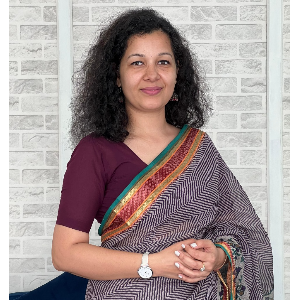

 Therapist

 Nutrition

.png) Ayurveda
Ayurveda



 Child and Adolescent Psychiatry