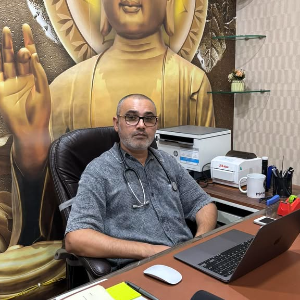
How Psoriasis Is Diagnosed?
Psoriasis treatment involves the medical management of psoriasis, a chronic autoimmune skin condition that causes rapid buildup of skin cells leading to thick, scaly, inflamed patches on the skin. Psoriasis commonly affects the scalp, elbows, knees, lower back, hands, and feet, but it can occur anywhere on the body.
Psoriasis is not contagious, but it can significantly affect physical comfort, emotional well-being, and quality of life. Treatment focuses on reducing inflammation, slowing skin cell growth, relieving symptoms, and preventing flare-ups.
What Is Psoriasis?
Psoriasis is a long-term inflammatory skin disorder caused by an overactive immune system. In psoriasis, skin cells multiply much faster than normal, resulting in the accumulation of thick, red, scaly plaques on the skin surface.
The condition may vary from mild to severe and often occurs in cycles with periods of flare-ups and remission.
Types of Psoriasis
Plaque Psoriasis
This is the most common type and causes:
●Raised red patches
● Silvery-white scales
● Dry or cracked skin
● Itching and irritation
Scalp Psoriasis
Affects the scalp and may cause:
● Flaking
● Itching
● Red patches
● Temporary hair shedding
Guttate Psoriasis
Often appears as small drop-shaped lesions and may occur after infections such as strep throat.
Inverse Psoriasis
Occurs in skin folds such as:
● Underarms
● Groin
● Under the breasts
It often appears as smooth, inflamed patches.
Pustular Psoriasis
Characterized by pus-filled blisters surrounded by inflamed skin.
Erythrodermic Psoriasis
A rare but severe form that causes widespread redness, scaling, and skin shedding over large body areas.
Causes and Triggers of Psoriasis
The exact cause of psoriasis is not fully understood, but it is linked to immune system dysfunction and genetic factors.
Common triggers include:
● Stress
● Skin injury
● Infections
● Cold weather
● Smoking
● Alcohol consumption
● Certain medications
● Hormonal changes
Avoiding triggers can help reduce flare-ups.
Symptoms of Psoriasis
Symptoms vary depending on the type and severity but may include:
● Red inflamed patches
● Thick silvery scales
● Dry or cracked skin
● Itching or burning sensation
● Skin pain or tenderness
● Nail thickening or discoloration
● Joint pain in psoriatic arthritis
Symptoms may worsen during flare-ups.
Diagnosis of Psoriasis
A dermatologist typically diagnoses psoriasis through:
Physical Examination
Evaluation of the skin, scalp, and nails.
Medical History
Assessment of symptoms, family history, and triggers.
Skin Biopsy
In some cases, a small skin sample may be examined to confirm the diagnosis.
Psoriasis Treatment Options
Treatment depends on the severity, type, and extent of psoriasis.
1. Topical Treatments
Topical medications are commonly used for mild to moderate psoriasis.
These may include:
● Corticosteroid creams
● Moisturizers
● Vitamin D analogues
● Coal tar preparations
● Salicylic acid products
Topical therapy helps reduce scaling, inflammation, and itching.
2. Phototherapy
Phototherapy involves controlled exposure to ultraviolet (UV) light under medical supervision.
Types include:
● UVB therapy
● Narrowband UVB
● PUVA therapy
Phototherapy helps slow excessive skin cell growth.
3. Oral Medications
For moderate to severe psoriasis, oral medications may be prescribed to suppress immune activity and reduce inflammation.
Examples include:
● Methotrexate
● Cyclosporine
● Retinoids
These medications require regular medical monitoring.
4. Biologic Therapy
Biologic medications target specific parts of the immune system involved in psoriasis.
They are commonly used for:
● Severe psoriasis
● Psoriatic arthritis
● Treatment-resistant cases
Biologics are usually administered through injections or infusions.
5. Lifestyle and Supportive Care
Lifestyle management plays an important role in controlling psoriasis.
Helpful measures include:
● Regular moisturizing
● Stress management
● Avoiding smoking and alcohol
● Maintaining healthy body weight
● Protecting skin from injury
● Following a balanced diet
Benefits of Psoriasis Treatment
Effective treatment can help:
● Reduce skin inflammation
● Minimize itching and discomfort
● Improve skin appearance
● Prevent flare-ups
● Improve sleep quality
● Enhance emotional well-being
● Improve overall quality of life
Complications of Untreated Psoriasis
Without proper management, psoriasis may lead to:
● Skin infections
● Severe discomfort
● Emotional distress
● Anxiety and depression
● Psoriatic arthritis
● Increased cardiovascular risk
● Metabolic disorders
Early treatment helps reduce complications.
Psoriasis and Psoriatic Arthritis
Some patients with psoriasis develop psoriatic arthritis, a condition that causes joint pain, stiffness, and swelling.
Early diagnosis and treatment are important to prevent joint damage.
When Should You See a Doctor?
Medical evaluation is recommended if you experience:
● Persistent skin rashes
● Thick scaly patches
● Severe itching or pain
● Widespread skin involvement
● Joint pain with skin symptoms
● Symptoms affecting daily activities
Prevention and Flare-Up Control
Although psoriasis cannot always be prevented, flare-ups may be minimized by:
● Managing stress
● Avoiding skin injuries
● Following prescribed treatment plans
● Keeping skin moisturized
● Avoiding known triggers
● Maintaining healthy lifestyle habits

 Homeopathy
.png) Ayurveda
Ayurveda