Find a doctor

Pit & Fissure Sealant Application doctors in India

15 doctors in India — verified profiles, ratings, fees and clinic or online consultation.

Looking for a doctor for Pit & Fissure Sealant Application in India? Browse 15 verified doctors who perform Pit & Fissure Sealant Application — compare specialities, qualifications, patient ratings and consultation fees, and book a clinic or online appointment that suits you.

15 doctors All procedures →
Filters & sort

Dr K.Varsha Rao

Verified

BDS, Certificate of Oral Implantology

Dentist
Om Dental Care and Implant Centre · Navi Mumbai, Maharashtra

Dr. K.Varsha Rao Started Om dental care and implant center in 1999 and has been in private practice since then. Has special interest in endodontics (root can…

5 Awards
Consultation fee₹300

Dr Varnit Jain

Verified

Dental Surgeon

Dentist
Paras dental care · Sardhana, Uttar Pradesh

Dr varnit has 5 years expert in dental field . All treatment available here totally painless . He expertise in painless root canal treatment and smile design…

Consultation fee₹200

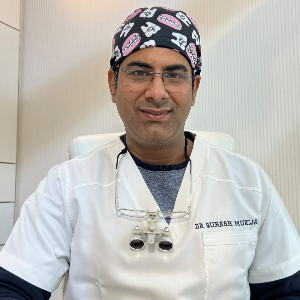
Dr Suresh Kumar

Verified

Zygomatic Implant Specialist

Dentist
KRISSHNAA DENTAL& MULTISPECIALITY CARE · Delhi +1 more

Dr. Suresh Mukhija, the Chief Dental Surgeon and Chief Dental Implantologist at Krisshnaa Dental & Multispeciality Care, is a distinguished and well-known de…

5 Awards
Consultation fee₹500

Dr Anuj Garg

Verified

B.D.S - Dental Surgeon

Dentist
Dr. Anuj Garg's Dental Care · Morena, Madhya Pradesh

Welcome to Dr. Anuj Garg Dental Care, where your smile is our top priority. I am Dr. Anuj Garg (BDS), a general dentist with over 7 years of clinical experie…

Consultation fee₹300

BDS, MDS - Orthodontics

Dentist
Braces and Smiles Dental & Orthodontic Clinic · Navi Mumbai, Maharashtra +1 more

Did Masters in Orthodontics from Prestigious All India Institute of medical Sciences New Delhi which has been Ranked No 1 Medical Institute in India for last…

3 Awards

BDS

Dentist
Braces and Smiles Dental & Orthodontic Clinic · Navi Mumbai, Maharashtra

Dr. Priyanka Dayama graduated from MGV Dental College Nashik in 2007. Since then she has been constantly updating her knowledge in Dentistry especially in th…

Medical Registration Verified

Dentist
Braces and Smiles Dental & Orthodontic Clinic · Navi Mumbai, Maharashtra

Dr. Tushar Pathak is a Dentist in Nerul, Navi Mumbai and has an experience of 12 years in this field. Dr. Tushar Pathak practices at Braces and Smiles Dental…

MDS - Oral & Maxillofacial Surgery, BDS

Dentist
SmileKraft Dental Clinic Maxillofacial & Implant Centre · Faridabad, Haryana +1 more

Consultant oral and maxillofacial surgeon

1 Award

BDS

Dentist
Manipal Hospital · Bengaluru, Karnataka +1 more

Dr. Sharon Colaco Dias is prosthodontist and implantologist at Manipal Hospital, Bangalore. Her field of expertise include- implantology, fixed & removable r…

1 Award

BDS, MDS - Paedodontics And Preventive Dentistry

Dentist
Clove Dental · Chennai, Tamil Nadu

Dr Pavni Chauhan is a consultant pedodontist ( child tooth specialist) in Thane. She provides dental treatment for kids aged 6 months to 18 years. She comple…

1 Award

BDS, MDS - Conservative Dentistry & Endodontics

Dentist
Manipal Hospital · Bengaluru, Karnataka +2 more

Dr. Mir Sujath Ali is a renowned dentist currently associated with Malathi Manipal Hospital (Bangalore). Also available for consultation at Manipal Northside…

1 Award

BDS, MDS

Dentist
Manipal Hospital · Bengaluru, Karnataka

Dr. Shraddha Bahirwani is a Consultant Dental Medicine at Manipal Hospital, Bangalore. Her field of expertise include General Dentistry with a keen interest…

2 Awards

Showing 1–12 of 15

Pit & Fissure Sealant Application doctors by city

Introduction

Pit and fissure sealants are a simple dental treatment used to protect teeth from cavities and decay, especially in the back teeth (molars and premolars). These teeth have natural grooves and pits on the surface that help us chew food. Unfortunately, these grooves are so deep and narrow that toothbrush bristles and mouthwash often cannot reach into them properly. Food particles and bacteria can get stuck, leading to plaque buildup and eventually decay.

Sealants are a thin, protective coating placed on these grooves to “seal” them off. By covering the pits and fissures, sealants make it harder for plaque and food to get trapped, thus reducing the chance of cavities forming. Dentists usually apply sealants to children’s newly erupted permanent molars, but adults can benefit too. This treatment is painless, quick, and does not involve drilling or anaesthesia. It’s one of the easiest preventive tools in modern dentistry to help keep teeth strong and healthy.

Who May Need Pit and Fissure Sealants?

Pit and fissure sealants may be recommended for:

● Children and teenagers, especially when their permanent molars first come in

● People with deep grooves or narrow pits in their teeth

● Anyone at high risk of tooth decay (history of cavities, poor brushing, high sugar intake)

● Adults without decay but who want added protection

● Children with difficulty cleaning back teeth thoroughly

Not every person needs sealants, but dentists often suggest them for those most likely to develop decay in the hard-to-clean areas of the back teeth.

Types of Pit and Fissure Sealants

Sealants are mainly grouped by the material used:

1. Resin-based Sealants: The most commonly used tooth-coloured material that bonds well to the enamel.

2. Glass Ionomer Sealants: Less common, these release fluoride and can help strengthen surrounding enamel.

3. Fluoride-releasing Sealants: These combine the benefits of conventional sealants with added fluoride protection.

Dentists choose the best type based on your oral health, age, and risk of decay.

Pit and Fissure Sealant Application Procedure

The process of applying sealants is quick, easy, and doesn’t hurt at all. Most of the time, it’s done right during a regular dental check-up:

1. Cleaning the Tooth: The dentist first cleans the tooth surface to remove any food debris, plaque, or stain.

2. Drying the Tooth: The tooth is dried and isolated from saliva (often with cotton rolls) so the sealant sticks properly.

3. Etching: A mild acidic solution is placed on the pits and grooves to slightly roughen the surface; this helps the sealant bond better.

4. Rinsing and Drying: The etched solution is washed off, and the tooth is dried again.

5. Applying the Sealant: A liquid sealant material is painted into the pits and fissures.

6. Curing: The dentist uses a special light to harden (cure) the sealant. This usually takes only a few seconds.

Once applied and hardened, the sealant acts like a protective shield over the vulnerable chewing surfaces. The entire appointment usually takes 15–30 minutes, depending on how many teeth are being sealed.

Recovery & Aftercare

There’s no real “recovery” after sealant application because the procedure is non-invasive and painless. Once the sealant is placed and hardened, you can eat and drink normally.

Here are a few aftercare tips:

● Keep up the good brushing and flossing; sealants protect chewing surfaces, but other parts of the tooth still need cleaning.

● Avoid very sticky or hard foods right away; though the sealant becomes hard quickly, a few hours of gentle care helps.

● Visit your dentist for regular check-ups; sealants can wear down over time and may need re-application.

● If you notice a sealant chip or come off, inform your dentist so it can be replaced.

Sealants typically last several years but are easy to check during dental visits.

Risks & Possible Complications

Pit and fissure sealant application is very safe and has few risks. Still, you should know what to expect:

● Over time, sealants can wear down or fall off, especially if you chew hard foods. Your dentist can repair or replace them.

● A few patients may feel slight sensitivity after the procedure, but this usually goes away quickly.

● If the sealant wasn’t placed properly, food may get under it, leading to decay underneath. This is rare with experienced dentists.

● Extremely rare, if you have known allergies to dental materials, inform the dentist before the procedure.

Overall, the benefits of preventing decay far outweigh these minimal risks.

Frequently asked questions

What are sealants, and why are they used?

Sealants are thin, protective coatings placed on the chewing surfaces of teeth. They cover pits and grooves where food and bacteria can hide. This helps reduce the chance of cavities, especially in back teeth that are hard to clean with a toothbrush.

Is sealant application painful?

No. Sealant application doesn’t involve injections, drilling, or cutting. The process is completely painless, and most people feel nothing more than slight tickling or brushing during the cleaning and placement.

Who should get sealants?

Sealants are often recommended for children and teenagers when their permanent molars come in. They are also helpful for adults with deep grooves or a history of frequent cavities. Your dentist will suggest them if you need extra protection.

How long do sealants last?

Sealants can last several years, typically 3–7 years, sometimes longer with good oral care. They are checked at regular dental visits and can be repaired or replaced if they wear down or chip.

Can sealants prevent all cavities?

Sealants significantly reduce the risk of decay in pits and grooves, but they don’t eliminate all cavities. Decay can still occur on other surfaces, so brushing, flossing, and regular check-ups are important.

How soon can my child eat after getting sealants?

Since sealants harden quickly with the curing light, your child can eat and drink immediately after the procedure unless the dentist gives specific instructions otherwise.

Do adults benefit from sealants?

Yes, adults can also benefit, especially if they have deep grooves in their teeth or are at high risk of cavities. Sealants help protect vulnerable areas just as well as in children.

Chat Support