What Is Otoplasty and How Is It Done?
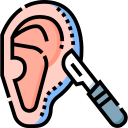
Otoplasty is a type of cosmetic ear surgery that changes the shape, size, or position of the ears to achieve a more natural and balanced look. It is most often chosen by people whose ears stick out too far from the head, are larger than usual, or have an unusual shape. The goal of otoplasty is to make the ears look more balanced with the face and improve self-confidence.
This procedure is done by a qualified surgeon using careful techniques to reshape ear cartilage and skin. It can be performed on children (usually after age 4–6) or adults, depending on the individual’s needs.
Purpose & Benefits of Otoplasty
Otoplasty is done to improve ear appearance and help patients feel more comfortable with how they look.
• Corrects protruding ears: It brings ears closer to the head when they stick out too much.
• Shapes uneven ears: Helps if one ear is shaped differently from the other.
• Improves facial balance: Makes the ears look more in harmony with other features.
• Natural-looking results: Incisions are usually made behind the ear so scars are hidden.
• Boosts self-confidence: Many people feel better about their appearance after surgery.
Who May Benefit from Otoplasty?
Otoplasty may be recommended for people who:
• Have ears that stick out too far from the head.
• Have uneven ear shape or size.
• Were born with ear differences or had an ear injury.
• Want to improve appearance for self-confidence or personal reasons.
Children are often good candidates once their ears have reached near-adult size (usually around age 4–6), while adults of any age can also choose the surgery.
Types of Otoplasty
Otoplasty techniques vary depending on the specific ear concern:
• Ear pinning: Moves ears closer to the head when they protrude too much.
• Ear size correction: Reduces the size of very large ears.
• Ear shape reshaping: Adjusts the contour or folds of the ear cartilage.
Otoplasty Treatment Process
1. Consultation & Planning:
The surgeon reviews your health, discusses your goals, and examines ear shape to create a surgical plan.
2. Anesthesia:
Otoplasty is done under general anesthesia (you sleep) or local anesthesia with sedation (numbing the area and relaxing you).
3. Surgery:
Small incisions are usually made behind the ears or in natural creases. Excess cartilage or skin may be removed, and the cartilage is reshaped or folded into place.
4. Closure & Dressing:
The surgeon closes the incisions with stitches and places bandages around the ears to protect them and help them heal.
The surgery typically takes 1–2 hours depending on the changes needed.
Duration & Setting
Otoplasty is usually done in a hospital or surgical center. Most people go home the same day, as it is often an outpatient procedure. Recovery takes time as swelling and bandages are expected initially.
Safety, Precautions & Risks
Otoplasty is generally safe but, like all surgery, comes with some risks and side effects.
Common mild effects:
• Discomfort or pain in the ear area after the anesthesia wears off.
• Swelling and bruising around the ears for a few days.
Possible risks:
• Bleeding or infection at the surgical site.
• Scarring (usually hidden behind the ear).
• Uneven ear shape or mild asymmetry.
• Changes in skin sensation (numbness) around the ears.
It is important to follow your surgeon’s after-care instructions to reduce risks and support healing.
Otoplasty vs Non-Surgical Options
In very young infants (first few days of life), some ear issues can be treated without surgery using ear splints to shape the ear while the cartilage is soft. This is not usually effective after the first weeks of life and cannot replace otoplasty for older children or adults.

.png) Plastic surgery
Plastic surgery
 Surgery

.png) Dermatology
Dermatology

 Otolaryngology


 ENT
ENT
 Neurotology



 Trichologist
.png) Dentist
Dentist
.png) Family Medicine
Family Medicine