Find a doctor

Orthopedic Physiotherapy doctors in India

291 doctors in India — verified profiles, ratings, fees and clinic or online consultation.

Best Orthopedic Physiotherapy

291 doctors All procedures →
Filters & sort

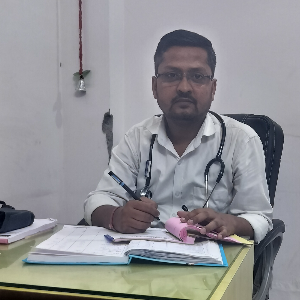
Dr. Kapil Kapoor - Physiotherapist

Physiotherapy
Bliss Wellcare · Gurugram, Haryana

Dr. Kapil Kapoor is a Prominent Physiotherapist in Gurgaon. He is a member of Haryana State Council of Physiotherapy and a registered Physiotherapist. He com…

5.0 (1)
Consultation fee₹500

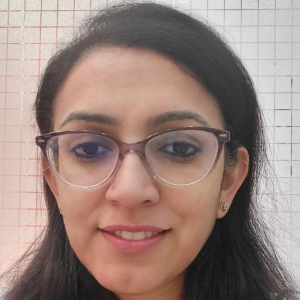
Dr. Nidhi Abrol- BPT, MPT(Ortho), MIAP, DHA, FNMT, Diabetic counselor, Pelvic floor

Physiotherapy
Ganeve Physiotherapy Clinic · Gurugram, Haryana

Dr. Nidhi Abrol, BPT, MPT(Ortho), MIAP, DHA, FNMT, Diabetic counselor, Pelvic floor Dr. Nidhi Abrol earned her Master's in Physiotherapy Degree from MMU. She…

Consultation fee₹500

BPT- Physiotherapist

Physiotherapy
PhysioAtU Physiotherapy Clinic · Gurugram, Haryana

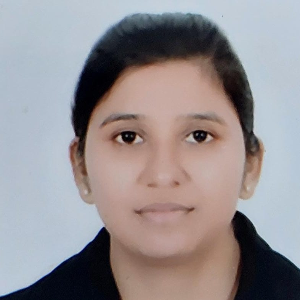
Dr. Ruchika Goyal is a dedicated physiotherapist specializing in BPT (Bachelor of Physiotherapy). She completed her education at the esteemed Sikkim Manipal…

Consultation fee₹300

Dr. Preeti Yadav- BPT and MPT (Neurology)

Physiotherapy
Core Physiotherapy · Gurugram, Haryana

Dr. Preeti is a renowned professional physiotherapist with tremendous sensitivity and patience to listen to patient's problems and contribute to well-being t…

Consultation fee₹200

Sports Physiotherapist

Physiotherapy
Prognosia Healthcare · Gurugram, Haryana

Dr. Sarvotam Chauhan | Renowned Physiotherapist | 19+ Years of Expertise Dr. Sarvotam Chauhan is a leading physiotherapist in India, recognized for his excep…

28 Awards
Consultation fee₹600

Consultant Physiotherapist

Physiotherapy
Surya Hospital (Managed by Vedansh group of hospitals) · Greater Noida, Uttar Pradesh

Focused Physical Therapist committed to helping patients manage pain and injuries. Skillful in monitoring results and prescribing exercises for long-term hea…

Consultation fee₹500

Medical Registration Verified

Ayurveda
Aastha Ayurveda Clinic · Delhi +1 more

Dr. Sandeep Madaan is a Ayurveda in Rohini, Delhi and has an experience of 19 years in this field. Dr. Sandeep Madaan practices at Aastha Ayurveda Clinic in…

MBBS, MS - Orthopaedics

Orthopedic Surgeons
Dr L H Hiranandani Hospital · Mumbai, Maharashtra +4 more

Dr. Nikhil Shetty is a Consultant Orthopedist, Trauma, & Joint Replacement surgeon, in Ghatkopar West, Mumbai and has an experience of 5 years in these field…

1 Award

MS - Orthopaedics, MBBS

Orthopedics
Ashwini Accident Hospital · Mumbai, Maharashtra

Dr. Suhas Shah has been practicing as an orthopedic surgeon with super specialization in Ilizarov surgery since last 16 years. He is visiting as an Ilizarov…

4 Awards

MBBS, MS - Orthopaedics

Orthopedics
K K Medical Centre · Mumbai, Maharashtra +1 more

Specialized in the field of Orthopedics for primary & complex Fractures and Trauma Care, Knee, Hip and Shoulder Joint replacement (Arthroplasty), Pediatric O…

2 Awards

MBBS, Diploma in Orthopaedics, FCPS - Orthopedic, MS - Orthopaedics, M.Ch - Orthopaedics

Orthopedic Spine Surgeons
Orthotech Clinic · Mumbai, Maharashtra +2 more

Dr Neeraj Bijlani is Consultant Orthopaedic Surgeon and Chief of Orthopaedics in OrthoTech Clinic and Sai Baba Hospital. He is specialised in Minimally Invas…

10 Awards

Showing 1–12 of 291

Orthopedic Physiotherapy doctors by city

What Is Orthopedic Physiotherapy?

Orthopedic physiotherapy is a specialized branch of physiotherapy that focuses on the assessment, treatment, and rehabilitation of conditions affecting the bones, joints, muscles, ligaments, tendons, and spine. It helps relieve pain, restore movement, improve strength, and enhance physical function after injuries, surgeries, or chronic musculoskeletal disorders. Orthopedic physiotherapists use evidence-based techniques such as therapeutic exercises, manual therapy, posture correction, and rehabilitation programs to help patients recover safely and prevent future injurie

Purpose & Benefits

Orthopedic physiotherapy offers numerous benefits, including:

● Reduces pain and inflammation.

● Restores joint mobility and flexibility.

● Improves muscle strength and endurance.

● Accelerates recovery after orthopedic surgery.

● Enhances balance and coordination.

● Prevents stiffness and muscle weakness.

● Improves posture and body mechanics.

● Reduces the risk of future injuries.

● Helps patients return to work, sports, and daily activities safely.

Who May Need Orthopedic Physiotherapy?

Your healthcare provider may recommend orthopedic physiotherapy if you have:

● Back or neck pain.

● Joint pain or stiffness.

● Arthritis.

● Sports injuries.

● Muscle strains or ligament sprains.

● Fractures after cast removal.

● Tendon or ligament injuries.

● Frozen shoulder.

● Sciatica.

● Recovery after joint replacement or orthopedic surgery.

Conditions Treated

Sports Injuries

Rehabilitation for ligament tears, muscle strains, tendon injuries, and overuse injuries.

Arthritis

Treatment to reduce pain, improve joint movement, and maintain physical function.

Back and Neck Pain

Management of acute and chronic spinal conditions through exercises, posture correction, and manual therapy.

Post-Surgical Rehabilitation

Recovery following knee replacement, hip replacement, fracture fixation, spinal surgery, rotator cuff repair, and other orthopedic procedures.

Fractures and Joint Injuries

Physiotherapy helps restore strength, flexibility, and normal movement after bone healing.

Tendon and Ligament Disorders

Treatment for conditions such as tennis elbow, Achilles tendinitis, rotator cuff injuries, and ligament sprains.

What Happens During Orthopedic Physiotherapy?

A typical treatment session includes:

1. Detailed assessment of pain, movement, posture, and muscle strength.

2. Review of medical history and imaging reports if available.

3. Functional assessment of affected joints and muscles.

4. Development of a personalized rehabilitation plan.

5. Therapeutic exercises to improve strength and flexibility.

6. Manual therapy techniques when appropriate.

7. Balance, gait, and posture training.

8. Home exercise program and recovery advice.

9. Regular progress evaluation and treatment modifications.

Treatment duration depends on the condition and recovery goals.

Treatment Techniques

Depending on your condition, your physiotherapist may use:

● Therapeutic exercises.

● Joint mobilization.

● Soft tissue mobilization.

● Stretching exercises.

● Strengthening programs.

● Balance and coordination training.

● Posture correction.

● Heat or cold therapy.

● Electrical stimulation (when appropriate).

● Functional rehabilitation for daily activities or sports.

Recovery & Aftercare

Successful recovery depends on following the rehabilitation program.

Patients are advised to:

● Perform home exercises regularly.

● Maintain proper posture during daily activities.

● Avoid movements that worsen symptoms.

● Stay physically active within recommended limits.

● Attend scheduled physiotherapy sessions.

● Follow medical advice regarding medications or surgery recovery.

● Gradually return to sports or strenuous activities as advised.

When Should You Seek Medical Attention?

Consult your healthcare provider if you experience:

● Severe or worsening pain.

● Sudden inability to move a limb.

● Significant swelling after an injury.

● Numbness or weakness.

● Loss of bladder or bowel control associated with back pain.

● Fever with joint pain or swelling.

● Persistent symptoms despite physiotherapy.
Frequently asked questions

What is orthopedic physiotherapy?

Orthopedic physiotherapy is a specialized form of rehabilitation that focuses on treating conditions affecting the bones, joints, muscles, ligaments, tendons, and spine to improve movement and reduce pain.

Who can benefit from orthopedic physiotherapy?

People recovering from orthopedic surgery, fractures, sports injuries, arthritis, back pain, neck pain, tendon injuries, or other musculoskeletal conditions can benefit from orthopedic physiotherapy.

Is orthopedic physiotherapy painful?

Some exercises or manual therapy techniques may cause mild temporary discomfort, but treatment is designed to improve mobility and reduce pain over time.

How many sessions will I need?

The number of sessions depends on your diagnosis, severity of the condition, age, overall health, and rehabilitation goals. Your physiotherapist will develop an individualized treatment plan.

Can physiotherapy help avoid surgery?

For many musculoskeletal conditions, physiotherapy may reduce symptoms, improve function, and delay or even eliminate the need for surgery. However, some conditions still require surgical treatment.

When should physiotherapy begin after orthopedic surgery?

In many cases, rehabilitation begins within a few days after surgery, depending on the procedure and your surgeon's recommendations.

Can orthopedic physiotherapy help arthritis?

Yes. Physiotherapy helps reduce pain, improve joint flexibility, strengthen muscles, and maintain independence in people with arthritis.

Do I need imaging before starting physiotherapy?

Not always. Many conditions can be assessed clinically, although X-rays, MRI, or CT scans may be recommended when necessary.

Can I continue exercising during treatment?

Yes. Your physiotherapist will recommend safe exercises based on your condition and stage of recovery.

How can I improve my recovery?

Attend all physiotherapy sessions, perform prescribed home exercises consistently, maintain good posture, stay active within recommended limits, and follow your healthcare provider's advice for the best recovery outcomes.

Chat Support