Find a doctor

Ophthalmology Services doctors in India

19 doctors in India — verified profiles, ratings, fees and clinic or online consultation.

Best Ophthalmology Services

19 doctors All procedures →
Filters & sort

Eye Surgeon

General Physician
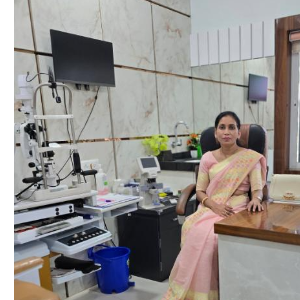
Dr. Chouhan Eye Hospital Bhandara · Bhandara, Maharashtra

Dr. Shamla Chouhan – Ophthalmic Surgeon | Best Eye Specialist in Bhandara Dr. Shamla Chouhan is an experienced Ophthalmic Surgeon with over 15 years of exper…

Consultation fee₹200

MBBS, MS - Ophthalmology

Ophthalmic surgery
Delhi

Dr. Amit Vikram Raina is a Ophthalmologist/ Eye Surgeon and has an experience of 14 years in this field. He completed MBBS from Rajiv Gandhi University of He…

MBBS, MS - Ophthalmology

Ophthalmic surgery
Challa Hospitals · Hyderabad, Telangana

Dr. Musalappa Reddy is a Ophthalmologist/ Eye Surgeon in Ameerpet, Hyderabad and has an experience of 62 years in this field. Dr. Musalappa Reddy practices a…

MBBS, MS - Ophthalmology

Ophthalmic surgery
Anmol Eye Clinic · Pune, Maharashtra

Dr. Farida Ravat has received training at premier institutes of India with demonstrated expertise in cataract and glaucoma treatment. She has performed over…

MBBS, MS - Ophthalmology

Ophthalmic surgery
Prism Eye and Maternity Clinic · Mumbai, Maharashtra

Dr. Rahul P. Shah is an Ophthalmologist/ Eye Surgeon and Pediatric Ophthalmologist and Strabismus specialist in Andheri West, Mumbai and has an experience of…

1 Award

MBBS, MS - Ophthalmology

Ophthalmic surgery
Delhi

Dr. Amrit Mandal is a Ophthalmologist/ Eye Surgeon and has an experience of 9 years in this field. He completed MBBS from University College of Medical Scien…

MBBS, MS - Ophthalmology

Ophthalmic surgery
Thane, Maharashtra

Dr. Siddhesh Rajendra Salvi is a Ophthalmologist/ Eye Surgeon and has an experience of 11 years in this field. He completed MBBS from D Y Patil University, K…

MBBS, MS - Ophthalmology

Ophthalmic surgery
Thane, Maharashtra

Dr. Sanhita Kose is a Ophthalmologist/ Eye Surgeon and has an experience of 13 years in this field. She completed MBBS from Maharshtra University of Health S…

MBBS, MS - Ophthalmology

Ophthalmic surgery
Hyderabad, Telangana

Dr. Akshay Beedkar is a Ophthalmologist/ Eye Surgeon and has an experience of 10 years in this field. He completed MBBS from Maharshtra University of Health…

MBBS, MS - Ophthalmology

Ophthalmic surgery
Bengaluru, Karnataka

Dr. Divya Jain is a Ophthalmologist/ Eye Surgeon and has an experience of 11 years in this field. She completed MBBS from Lady Hardinge Medical College, Delh…

MBBS, MS - Ophthalmology

Ophthalmic surgery
Lucknow, Uttar Pradesh

Dr. Aparna Agarwal is a Ophthalmologist/ Eye Surgeon and has an experience of 20 years in this field. He completed MBBS from GSVM Medical College, Kanpur, UP…

BAMS, MS - Ayurveda

Ayurveda
Sri Skanda Ayurveda · Bengaluru, Karnataka +1 more

Dr. Sheshashaye B is a Ayurveda in Vijayanagar, Bangalore and has an experience of 24 years in this field. Dr. Sheshashaye B practices at Sri Skanda Ayurveda…

Showing 1–12 of 19

Ophthalmology Services doctors by city

What Are Ophthalmology Services?

Ophthalmology is the branch of medicine that focuses on the diagnosis, treatment, and prevention of diseases affecting the eyes and visual system. Ophthalmology services include comprehensive eye examinations, medical management of eye conditions, laser treatments, and surgical procedures to preserve or restore vision. Ophthalmologists are qualified medical doctors who diagnose and treat a wide range of eye disorders, from common vision problems to complex eye diseases. Regular eye check-ups and timely treatment play a vital role in maintaining good vision and preventing permanent vision loss.

Purpose & Benefits

Ophthalmology services offer several important benefits, including:

● Early detection of eye diseases.

● Accurate diagnosis of vision problems.

● Prevention of vision loss through timely treatment.

● Management of chronic eye conditions.

● Improved visual clarity and eye comfort.

● Access to advanced laser and surgical treatments.

● Regular monitoring of eye health.

● Better quality of life through improved vision.

Who Should Visit an Ophthalmologist?

You should consult an ophthalmologist if you experience:

● Blurred or reduced vision.

● Eye pain or redness.

● Frequent headaches related to vision.

● Double vision.

● Flashes of light or floaters.

● Sudden loss of vision.

● Excessive tearing or dry eyes.

● Eye injuries.

● Difficulty seeing at night.

● Diabetes or high blood pressure requiring routine eye screening.

Routine eye examinations are also recommended for children, older adults, and individuals with a family history of eye diseases.

Common Ophthalmology Services

Comprehensive Eye Examination

A complete assessment of vision, eye pressure, eye movements, and overall eye health.

Cataract Evaluation and Surgery

Diagnosis and surgical treatment of cataracts to restore clear vision.

Glaucoma Screening and Treatment

Early detection and management of glaucoma to prevent irreversible vision loss.

Refractive Error Management

Diagnosis and correction of myopia, hyperopia, astigmatism, and presbyopia using glasses, contact lenses, or refractive surgery.

Retina Services

Diagnosis and treatment of retinal disorders such as diabetic retinopathy, retinal detachment, and age-related macular degeneration.

Cornea and External Eye Disease Management

Treatment of corneal infections, dry eye disease, keratitis, and other disorders affecting the front surface of the eye.

Pediatric Ophthalmology

Specialized eye care for infants, children, and adolescents, including treatment of squint (strabismus), lazy eye (amblyopia), and congenital eye conditions.

Oculoplastic Services

Diagnosis and treatment of disorders affecting the eyelids, tear ducts, and tissues surrounding the eyes.

What Happens During an Eye Consultation?

A typical ophthalmology consultation includes:

1. Review of medical and eye health history.

2. Vision assessment using standard eye charts.

3. Measurement of eye pressure.

4. Examination of the front and back of the eye.

5. Pupil dilation if necessary.

6. Additional imaging or diagnostic tests when indicated.

7. Diagnosis and discussion of treatment options.

8. Prescription of medications, glasses, contact lenses, or surgical planning if required.

The consultation usually takes between 20 and 45 minutes, depending on the complexity of the condition.

After Your Consultation

Following your eye examination, you may be advised to:

● Wear prescribed glasses or contact lenses.

● Use eye drops or medications as directed.

● Protect your eyes from injury and excessive UV exposure.

● Control chronic conditions such as diabetes and hypertension.

● Attend regular follow-up appointments.

● Undergo recommended laser or surgical treatment if necessary.

When Should You Seek Emergency Eye Care?

Seek immediate medical attention if you experience:

● Sudden loss of vision.

● Severe eye pain.

● Eye injury or chemical exposure.

● Sudden flashes of light with numerous floaters.

● A curtain-like shadow over your vision.

● Sudden double vision.

● Severe eye infection with swelling or discharge.

Prompt treatment can help prevent permanent vision loss.
Frequently asked questions

What is ophthalmology?

Ophthalmology is the medical specialty dedicated to diagnosing, treating, and preventing diseases and disorders of the eyes and visual system. Ophthalmologists also perform eye surgeries when needed.

How often should I have an eye examination?

Healthy adults should have regular eye examinations every one to two years, while people with diabetes, glaucoma, or other eye conditions may require more frequent check-ups as advised by their ophthalmologist.

What conditions do ophthalmologists treat?

Ophthalmologists diagnose and treat cataracts, glaucoma, refractive errors, retinal diseases, diabetic eye disease, corneal disorders, dry eye, eye infections, and many other eye conditions.

Can an ophthalmologist perform eye surgery?

Yes. Ophthalmologists are medically trained to perform various eye surgeries, including cataract surgery, glaucoma surgery, retinal procedures, corneal surgery, and laser vision correction.

What is the difference between an ophthalmologist and an optometrist?

An ophthalmologist is a medical doctor who diagnoses eye diseases, prescribes medications, and performs surgery. An optometrist primarily provides vision testing, prescribes glasses or contact lenses, and manages certain eye conditions.

Are dilating eye drops necessary?

Pupil dilation allows the ophthalmologist to examine the retina and optic nerve more thoroughly. Temporary blurred vision and light sensitivity may occur for a few hours afterward.

Can diabetes affect my eyes?

Yes. Diabetes can damage the blood vessels of the retina, leading to diabetic retinopathy. Regular eye examinations help detect changes early and reduce the risk of vision loss.

What should I bring to my appointment?

Bring your current glasses or contact lenses, previous eye prescriptions, medical records, medication list, and any previous eye test reports.

When should children have their first eye examination?

Children should have routine vision screening during infancy and preschool years, with comprehensive eye examinations recommended if any vision concerns or risk factors are present.

Can regular eye check-ups prevent blindness?

Many causes of vision loss, including glaucoma, diabetic retinopathy, and cataracts, can be detected and treated early through routine eye examinations, significantly reducing the risk of permanent blindness.

Chat Support